
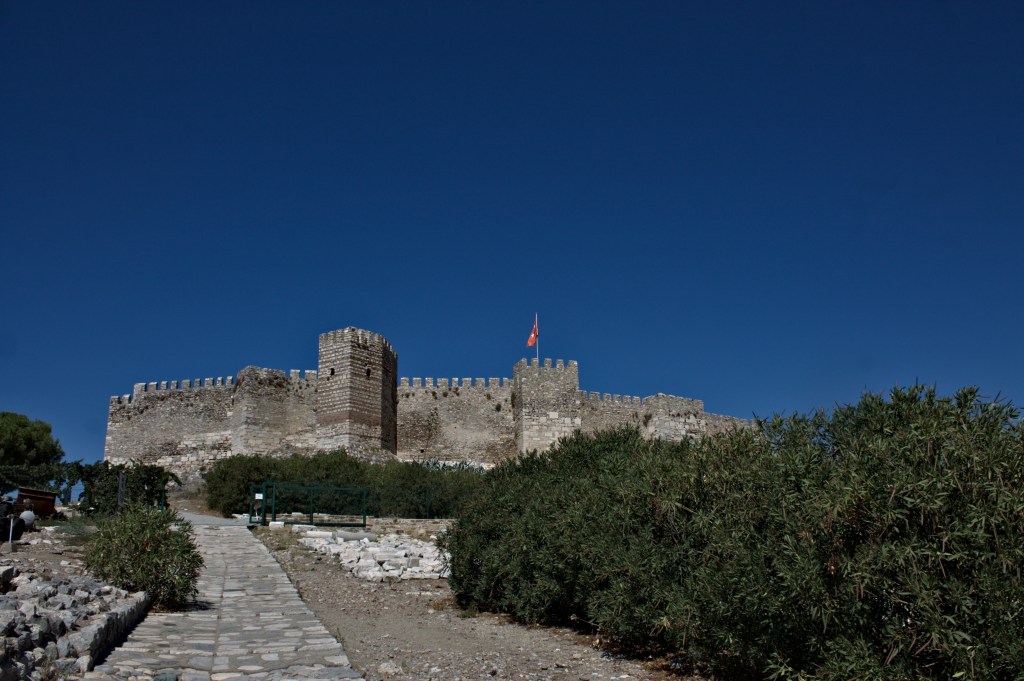
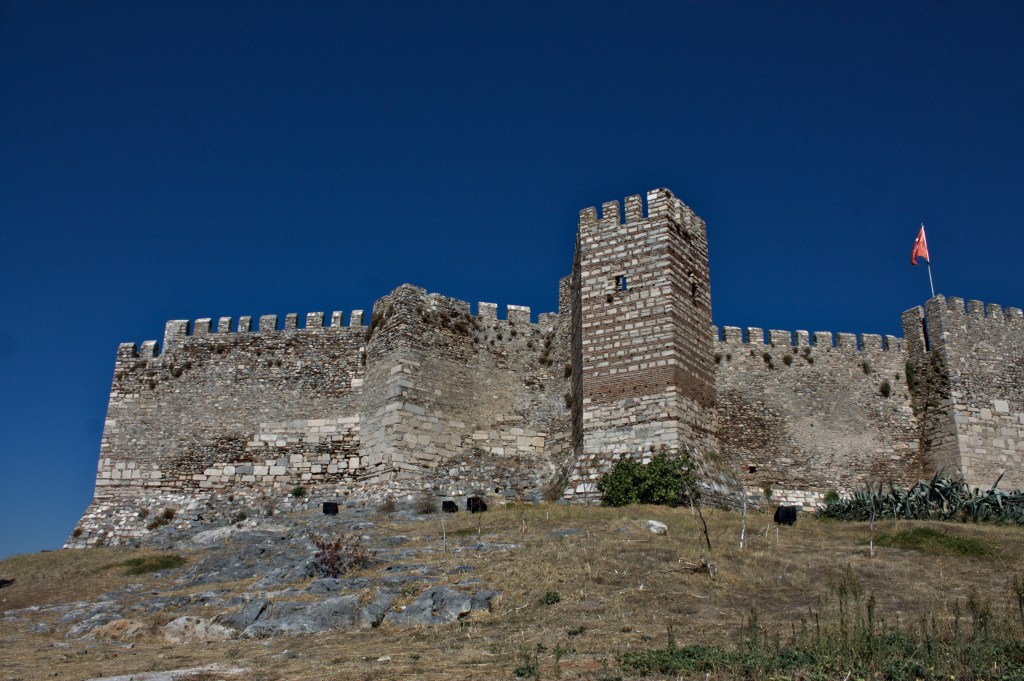
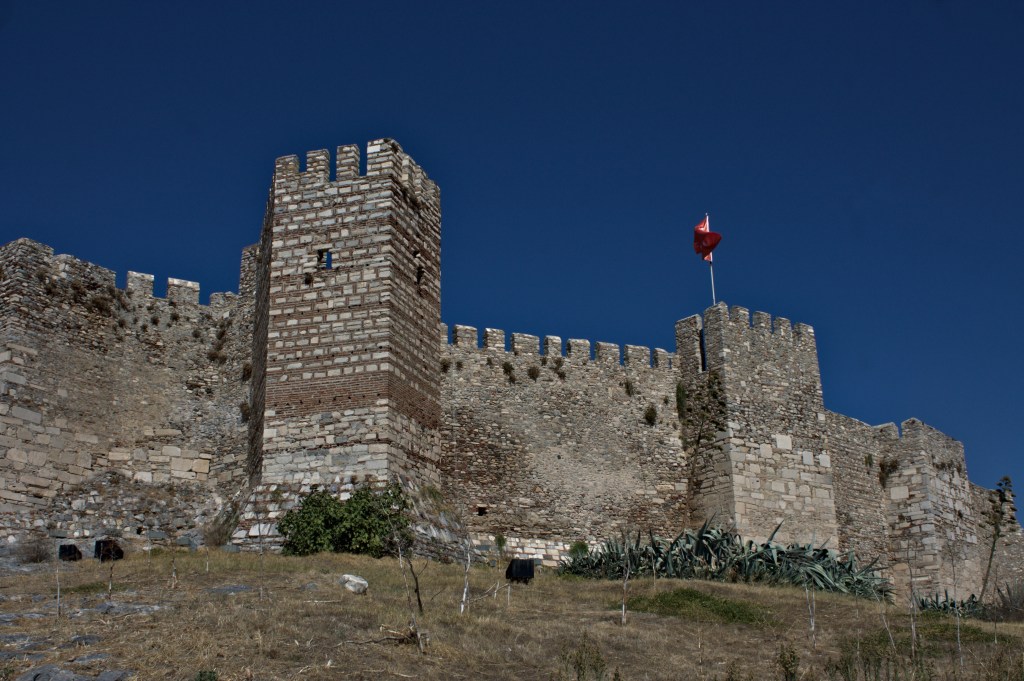

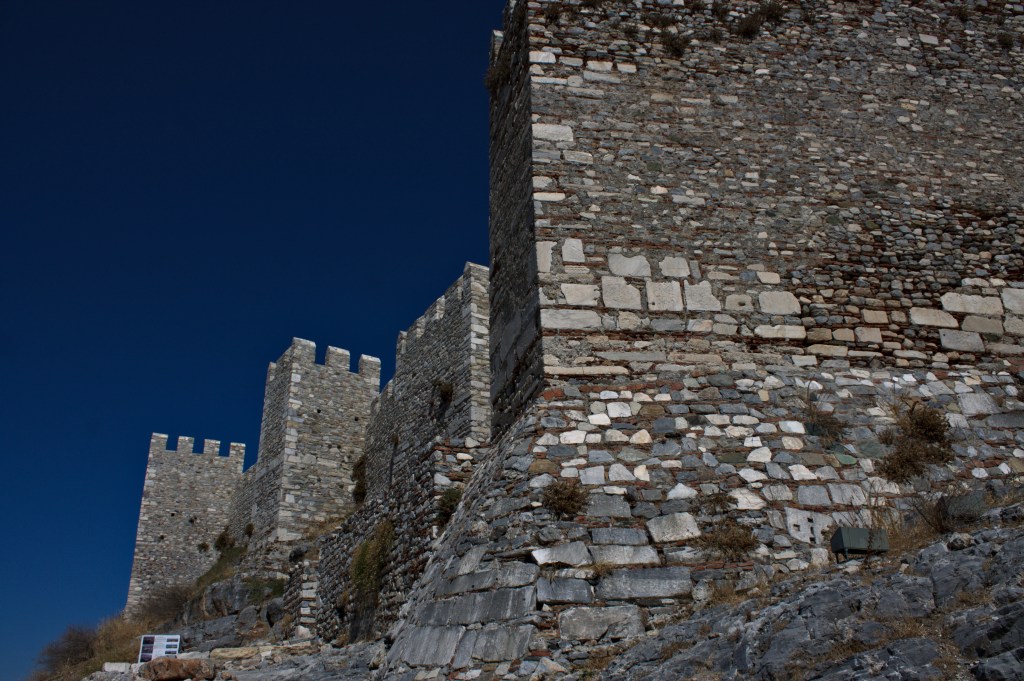



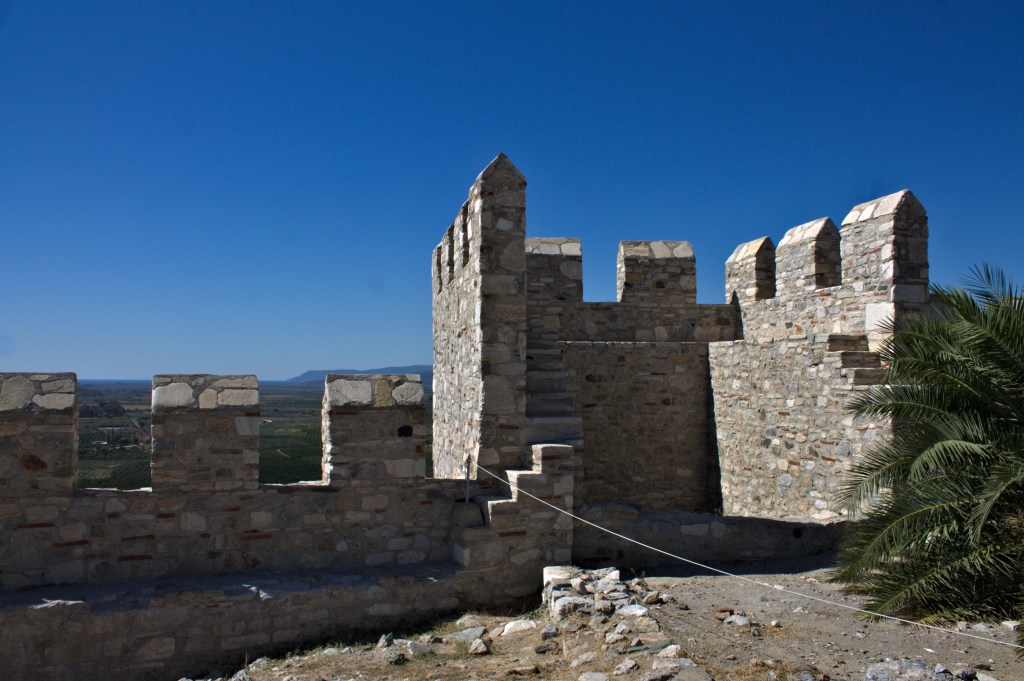
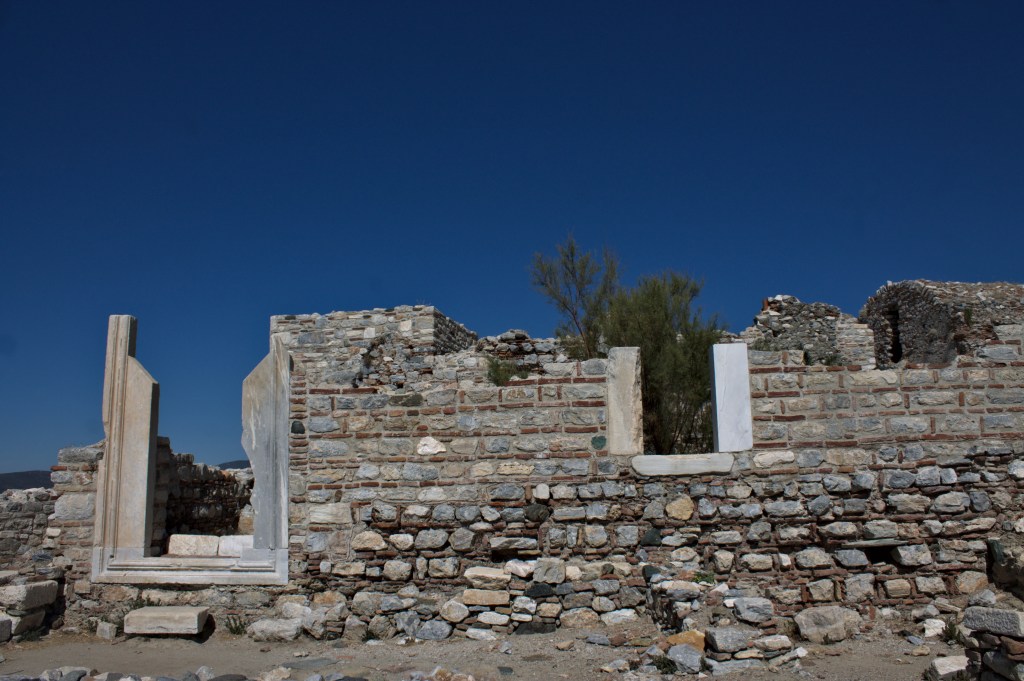
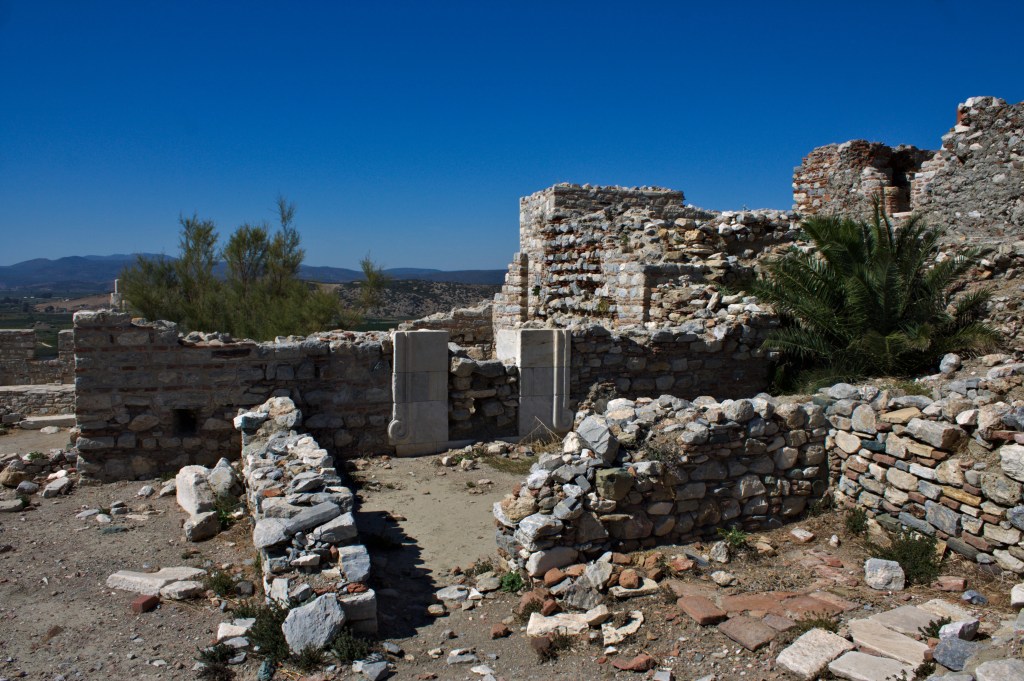
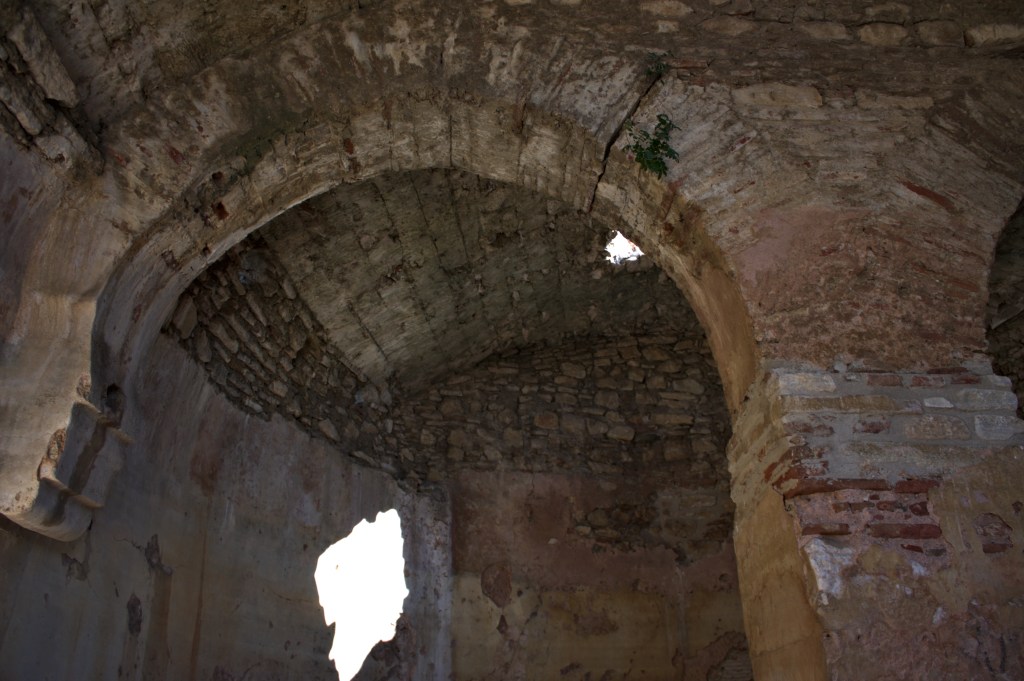
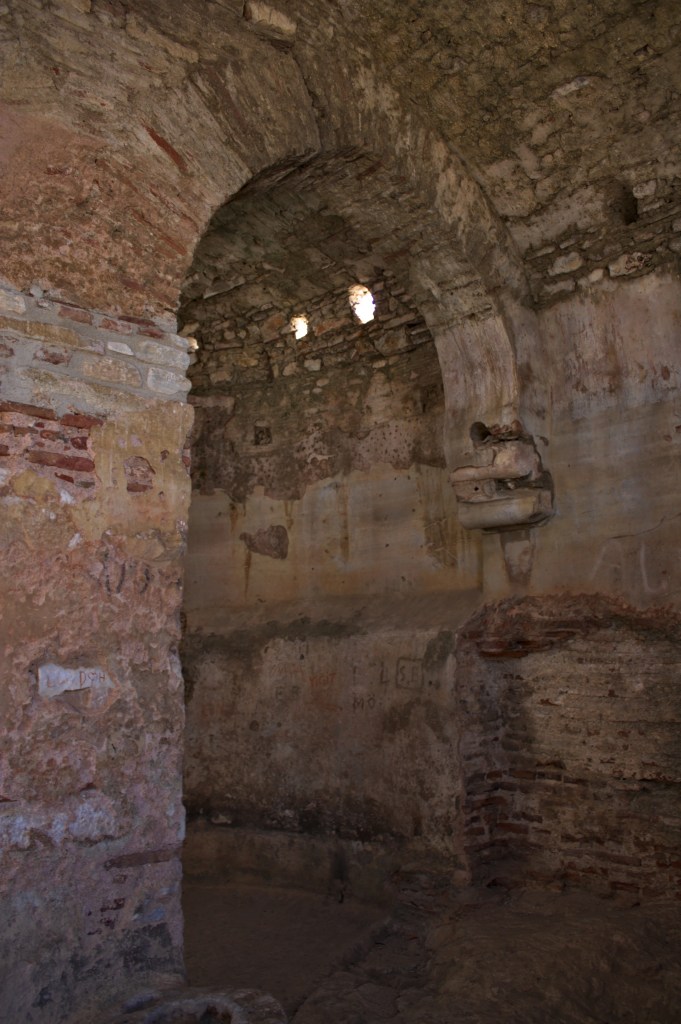
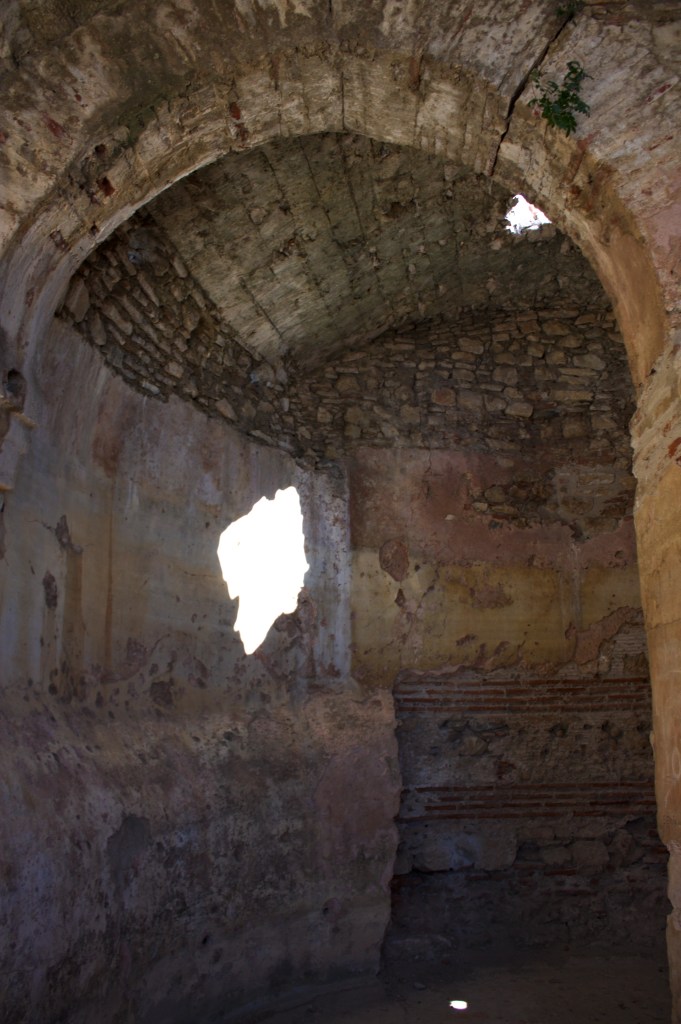

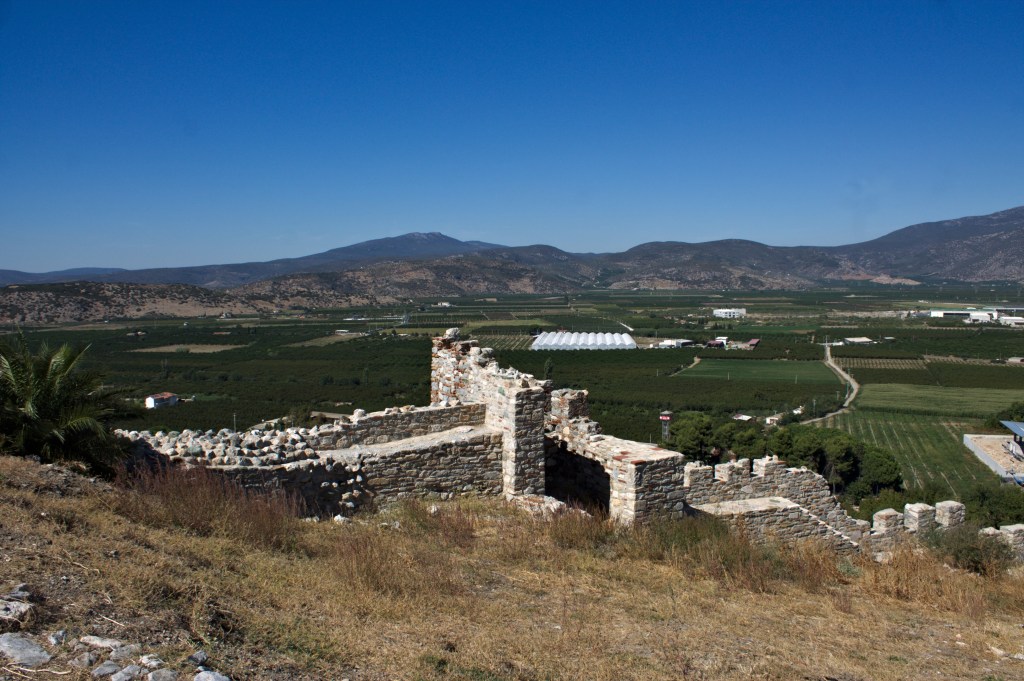
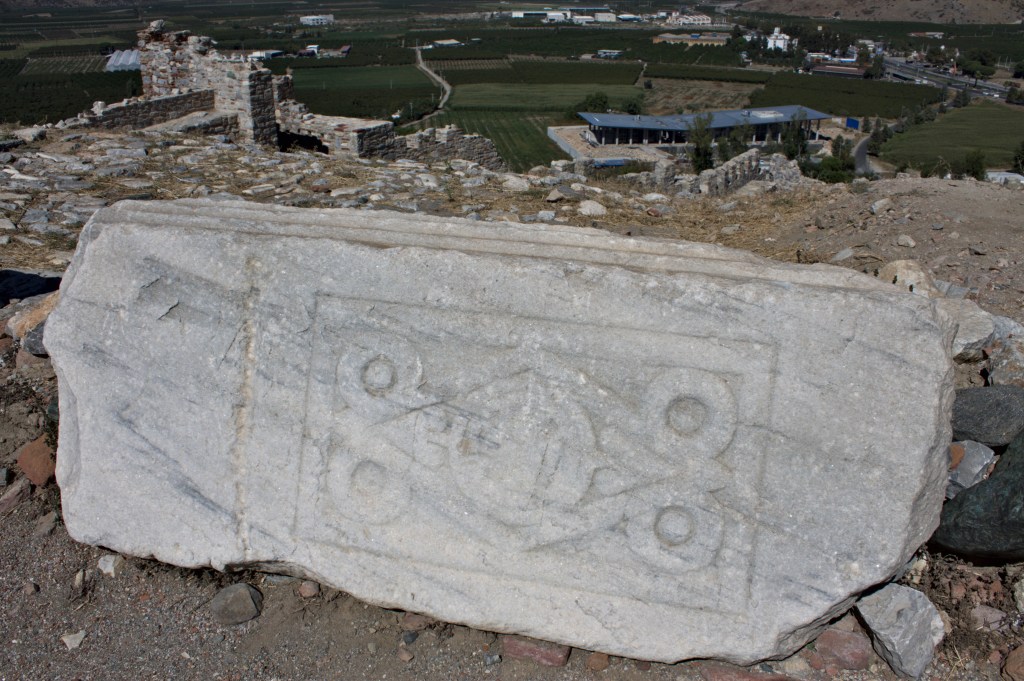
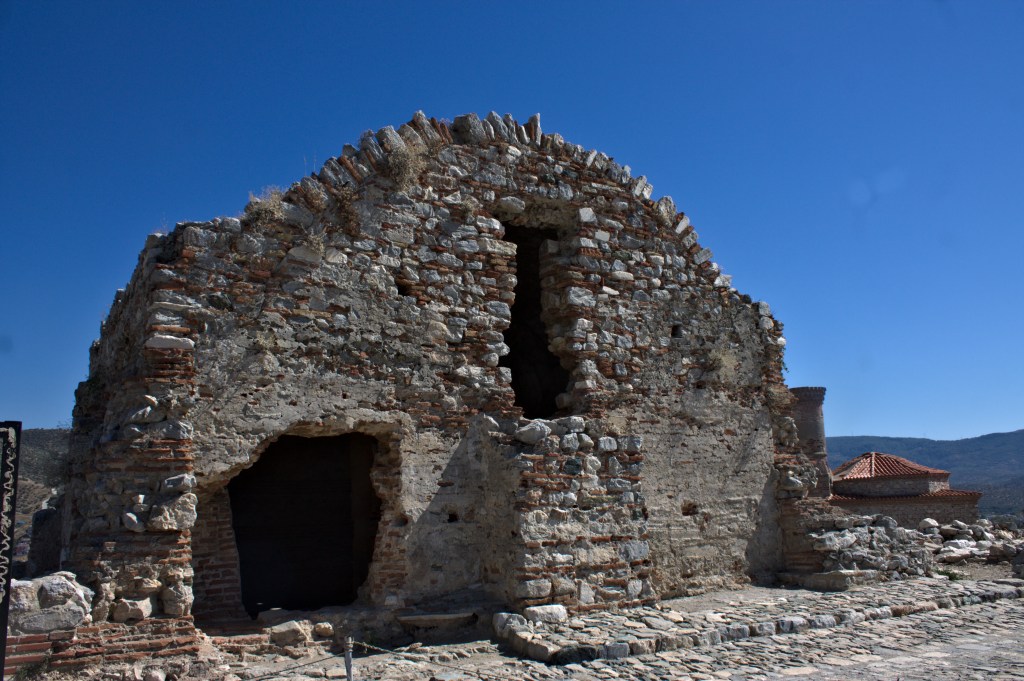
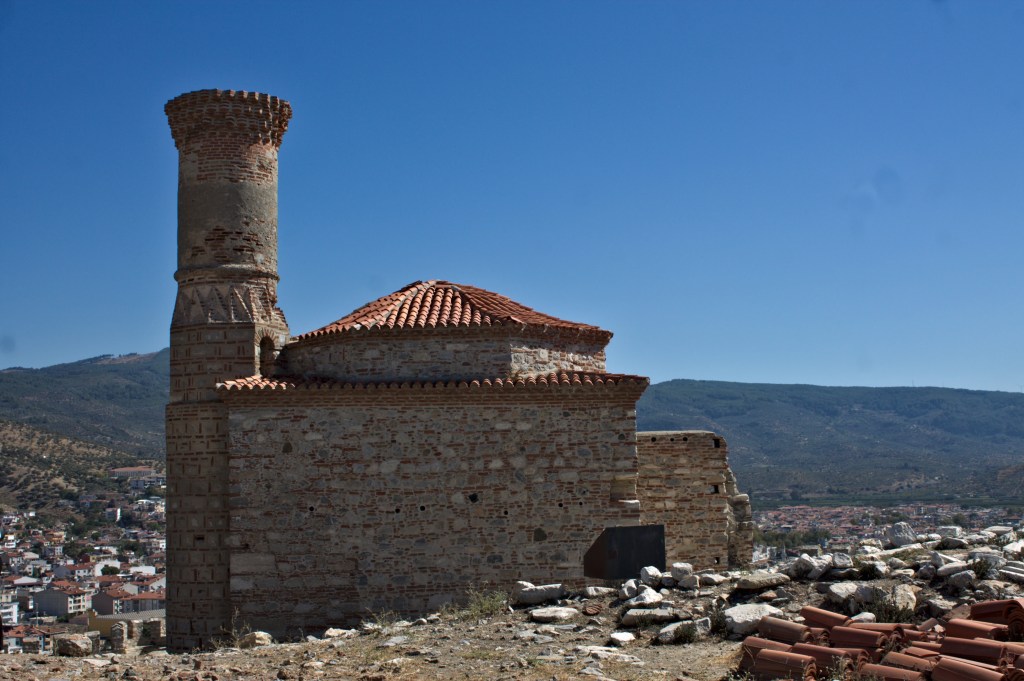

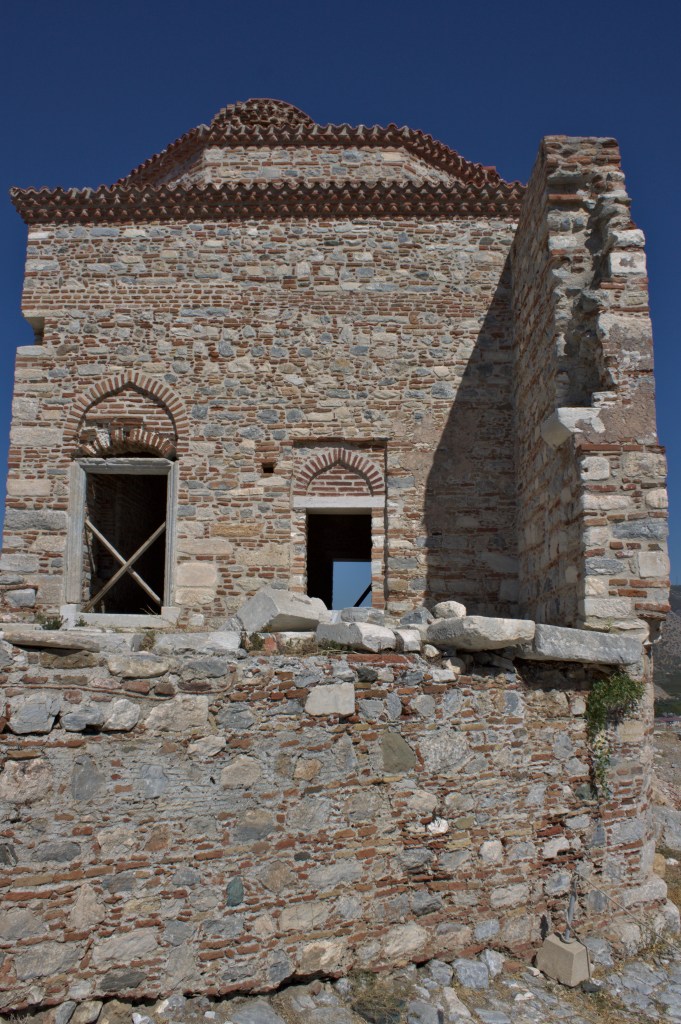
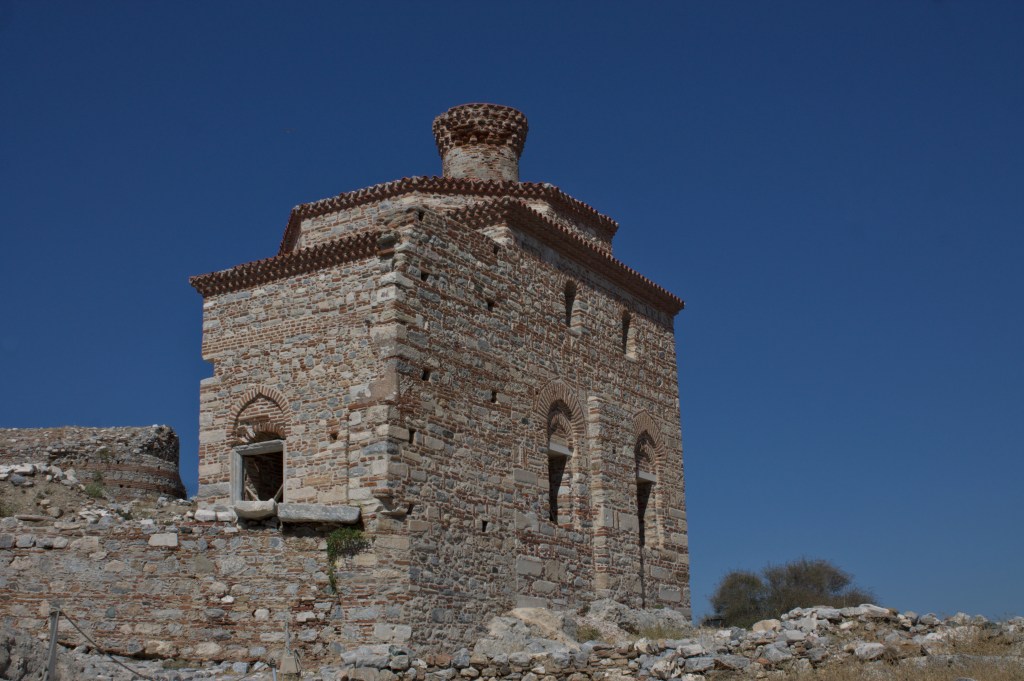
The origins of Ayasuluk Castle date to around the 6th century. It is situated only a mile from the earlier Greek harbour city at Ephesus which extended as far as Ayasuluk Hill. Ephesus had suffered waves of malaria due to the silting of its harbour and this caused the city to be split up, the oldest part of the city and the harbour was enclosed with a defensive wall. Ayasuluk Hill which had been part of the outskirts of the city was now seen as vulnerable, as it was a mile outside the new city walls. The Byzantines then built Ayasuluk castle and within its walls stood the Basilica of St John. This essentially turned the site into a citadel, with an upper castle and a walled in area that encompassed the basilica within a lower castle.
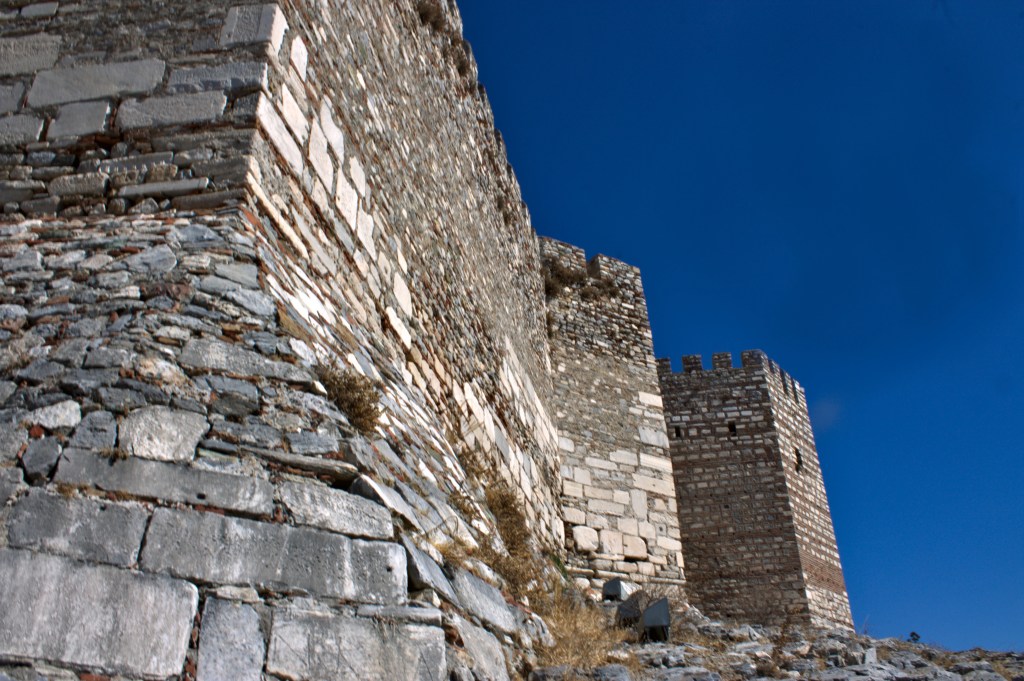
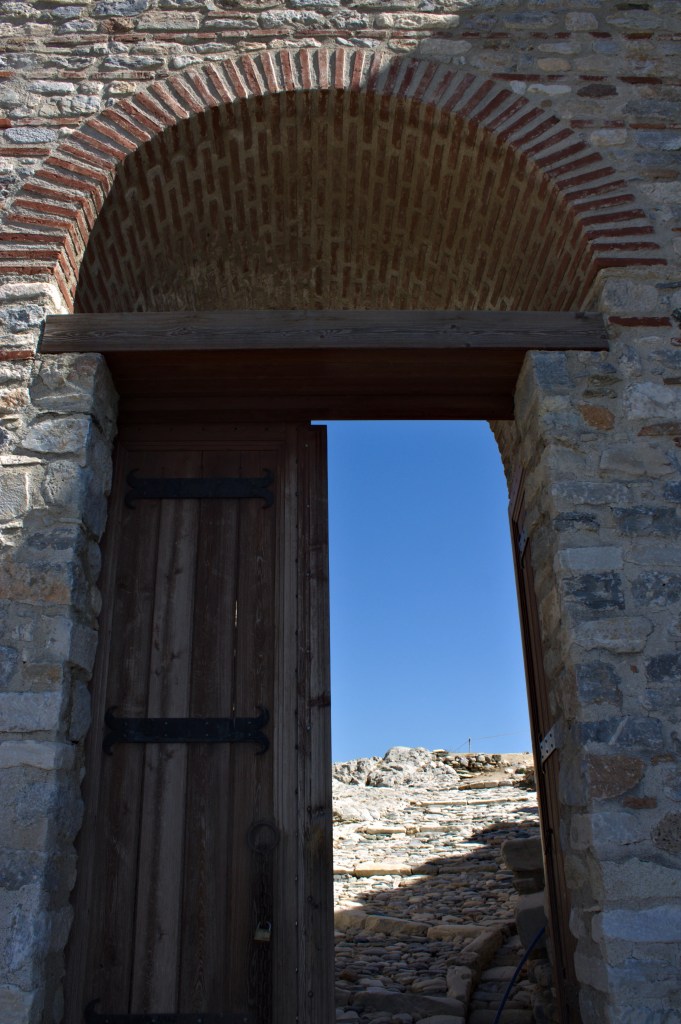
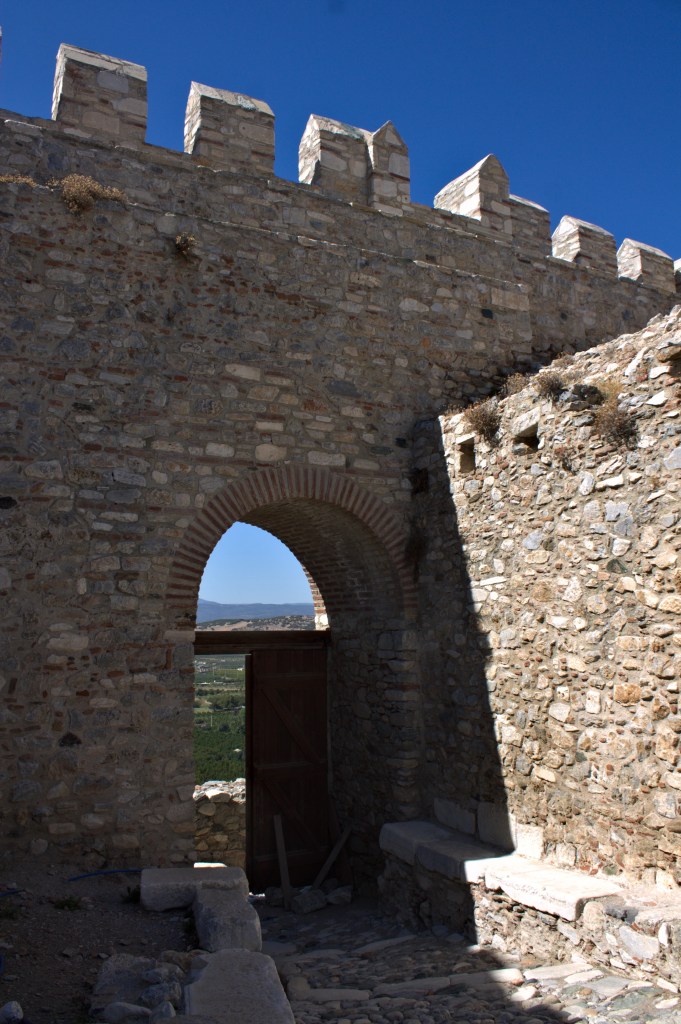
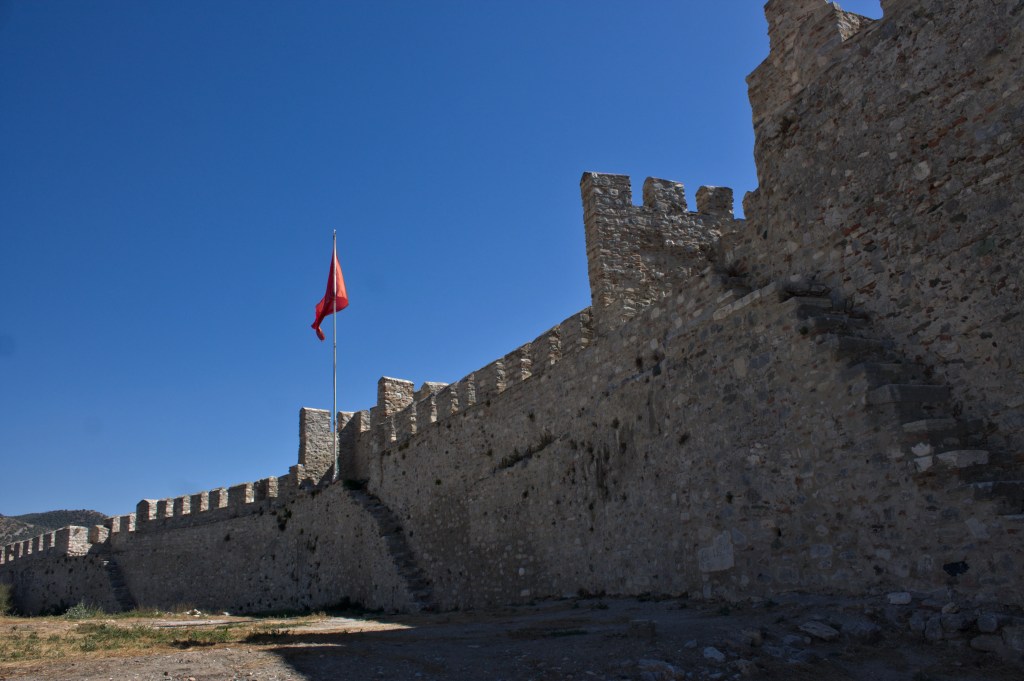
The castle walls are impressive measuring 1.5ksm in length and dotted with 17 defensive towers. Entry to Ayasuluk Castle first came through the ‘Gate of Persecution’, located on the south wall of the citadel. The two towers which stand on either side of the gate were made pentagonal in the 8th century thus helping them to be stronger defensive structures, this gate only led one into the lower castle area and the basilica.
Over the next few centuries the people of Ephesus continued to migrate towards the citadel on the hill and by the end of the 11th century Ephesus was essentially only a small village. In 1090 the Seljuk Turks attacked and took Ephesus under the command of General Tengribirmish, however within another seven years the Byzantines took back control and continued to hold it until 1304. The Seljuks again took command of the castle and renamed it Ayasuluk, turning the basilica into a mosque, they repaired the castle walls and dredged the harbour and as such the town grew for some time. In the early 15th century Ayasuluk came under the control of the mighty Ottoman Empire but the harbour had silted up again and the town declined. The castle was kept garrisoned until the 18th century when it was abandoned. The area was occupied by Greece between 1920 and 1922 during the Greco-Turkish War and it was after the formation of the Turkish Republic in 1923 that parts of the basilica and the castle were repaired. Ephesus was rightly added to the UNESCO World Heritage Site list in 2015 and the old harbour city is visited by millions of people each year. The fortress at Selcuk or as its known Ayasuluk Castle can be a nice contrast as it is only visited by a fraction of the people that walk the ancient streets of Ephesus each day.
GPS: 37.95557, 27.36792