

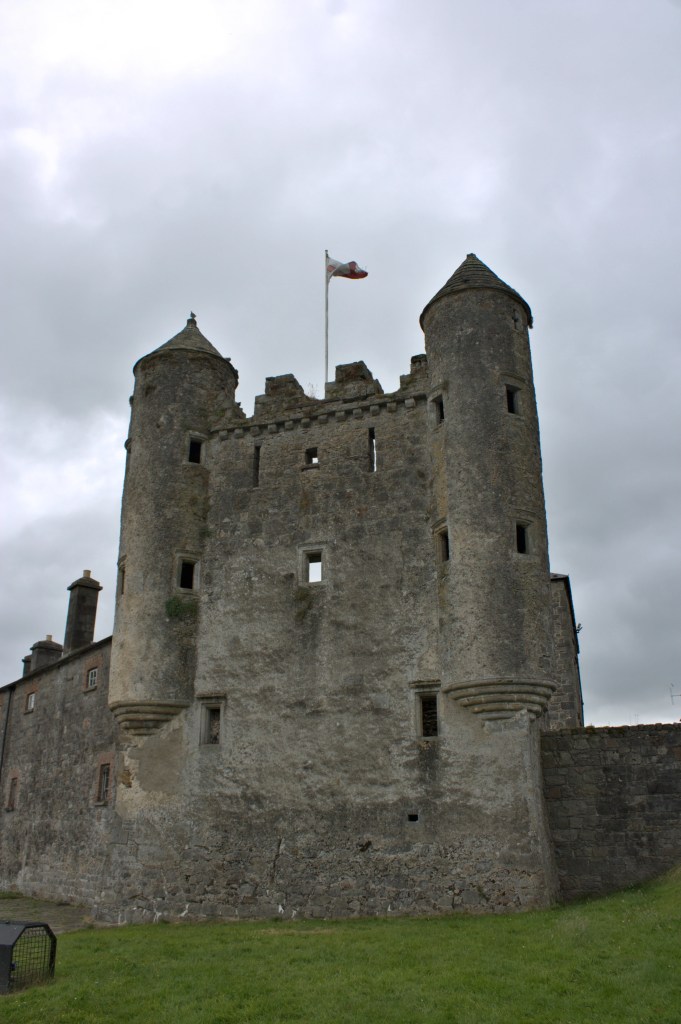

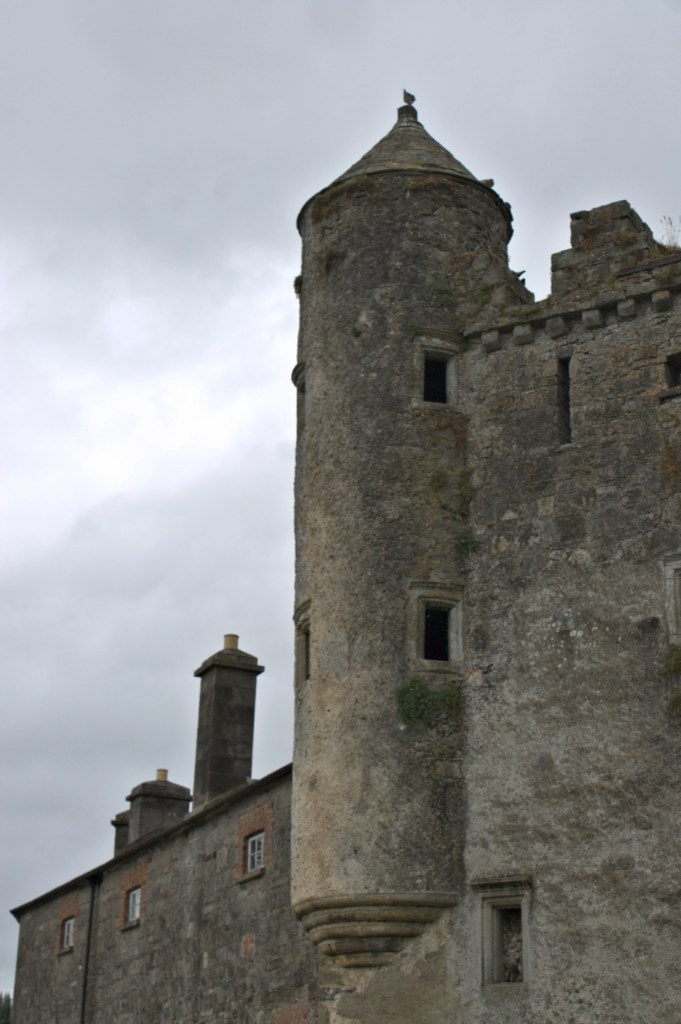

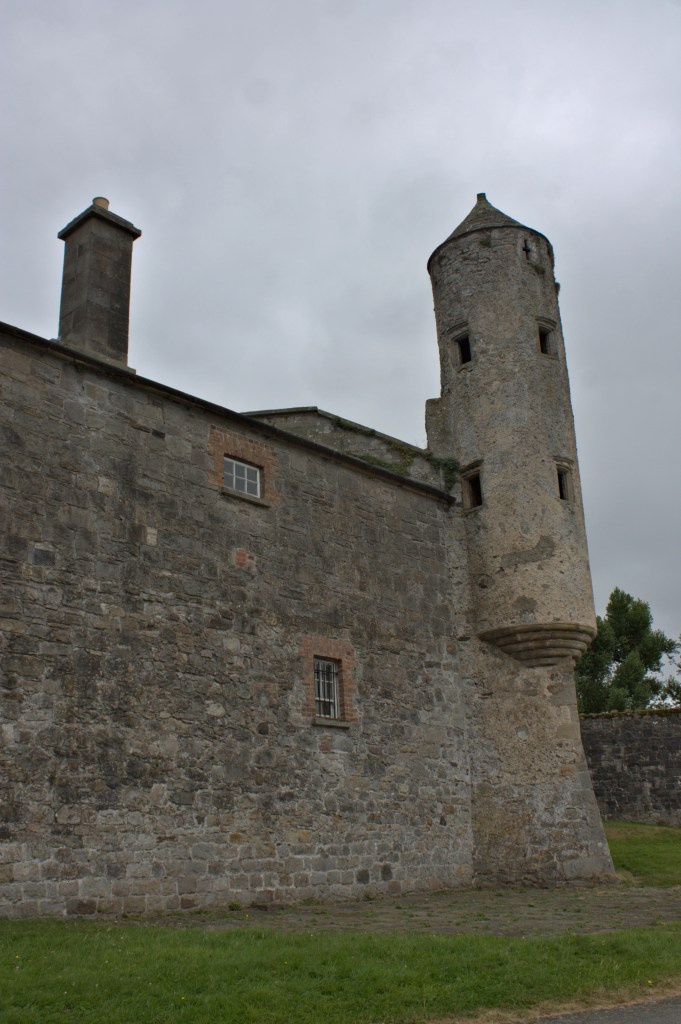

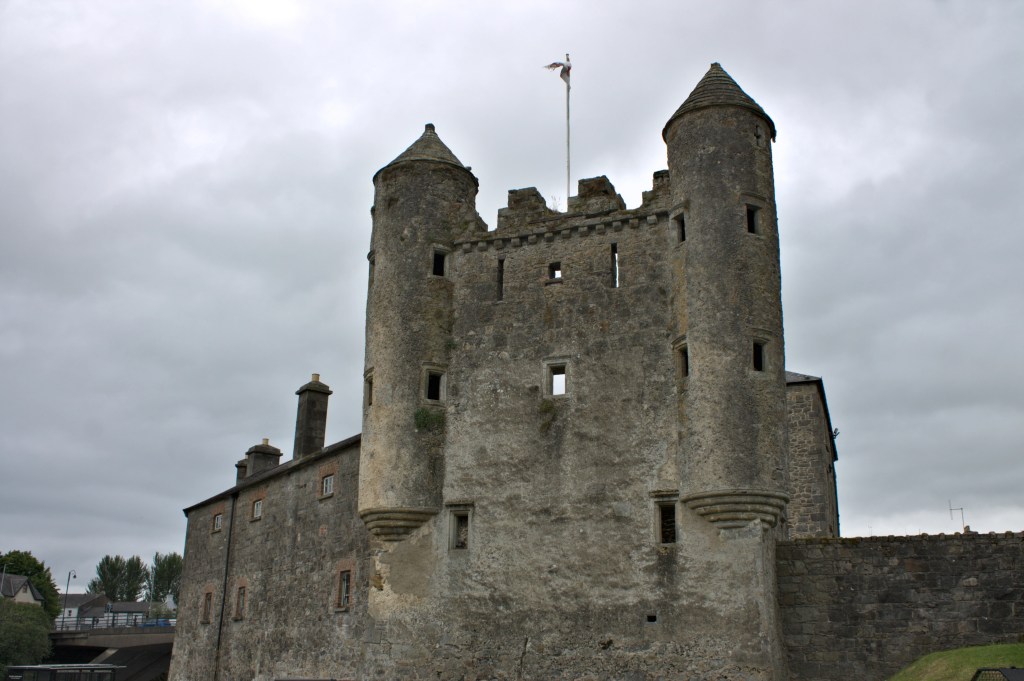
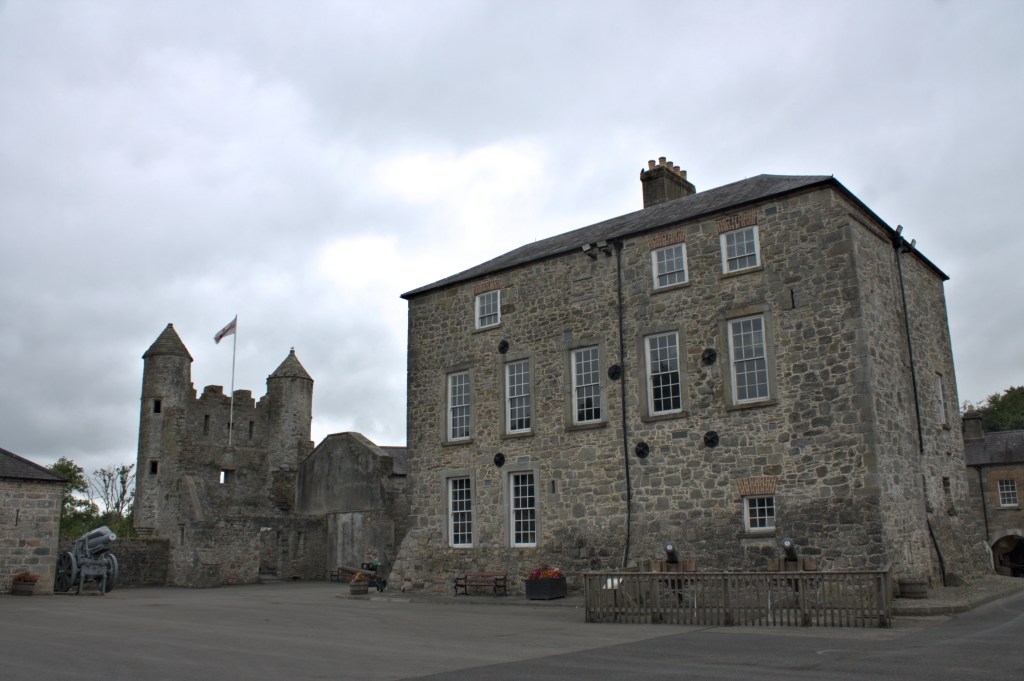
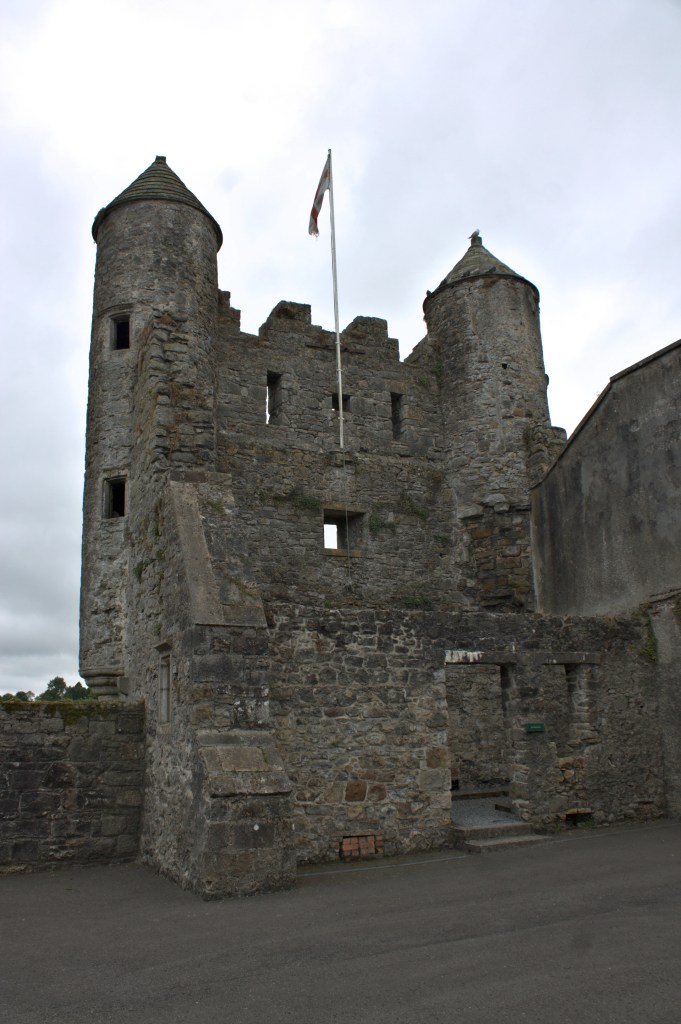

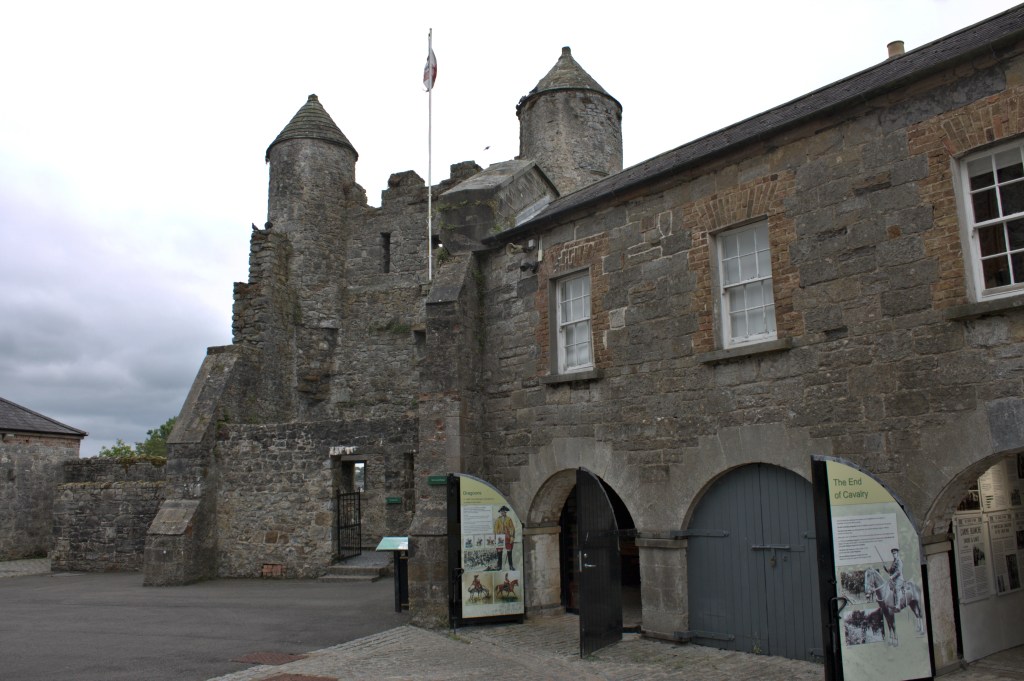


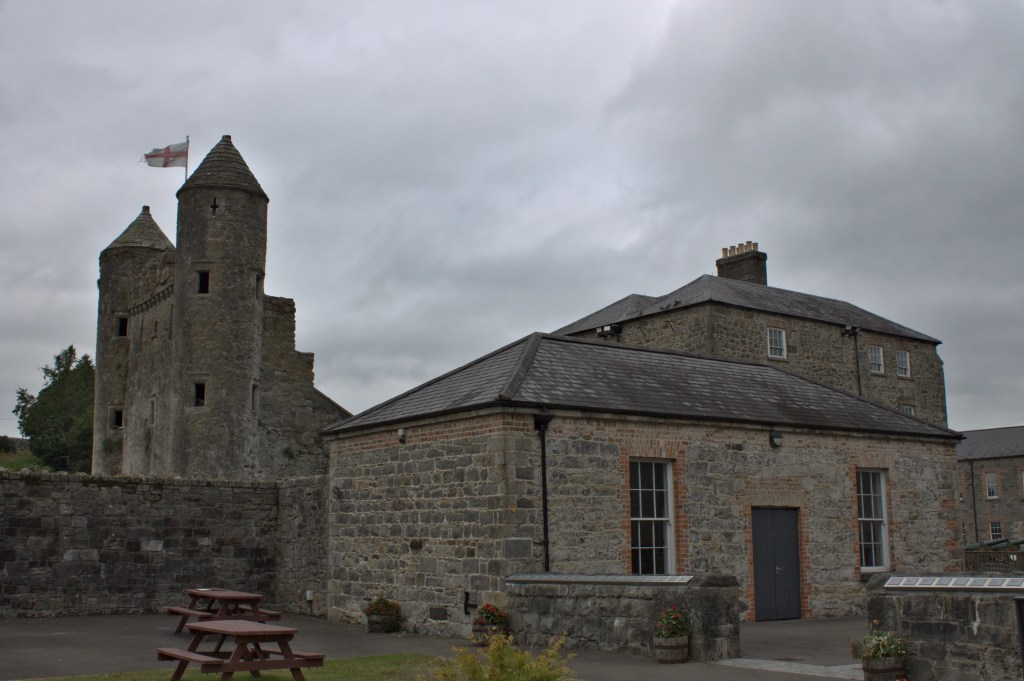



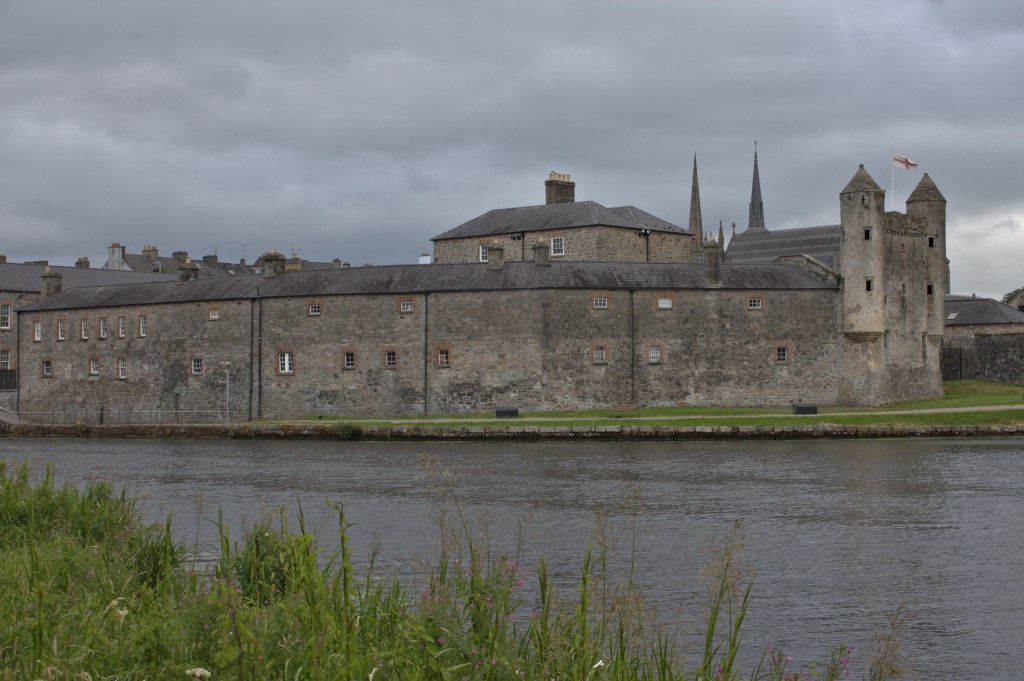
The exterior of Enniskillen Castle is one of the most photographed fortresses in Ireland, situated as it is picturesquely on the banks of the River Erne and guarding one of the main routes into the province of Ulster. A castle was first erected at the site by Hugh ‘the Hospitable’ Maguire of the Maguire Clan in the early 1420s and is first mentioned in the Annals of Ulster in Annals of Ulster in 1439. The Maguires ruled much of Fermanagh from the 13th to the 17th centuries. The castle remained under the control of the family until the beginning of the Nine Years War in 1594. In early 1594 (January 25th) the then Lord President of Connaught Sir Richard Bingham sent troops under Captain John Dowdall to Enniskillen to take the castle with three companies of infantry. They laid siege to the castle, digging trenches but their cannons were not powerful enough to breach the external walls. Hugh Maguire and his troops were not present at the time of the siege, instead they were moving through the countryside trying to amass a coalition army of two thousand men with the assistance of Hugh O’Donnell and Cormac MacBaron O’Neill. Only a small garrison of around forty troops remaining in the castle. Five days later on the 30th of January Richard Bingham’s nephew George arrived with three hundred additional soldiers. Dowdall decided to launch an amphibious attack using boats, a large boat carrying sixty men anchored themselves against a weak section of the wall and the soldiers hacked a hole into it using pickaxes. The inhabitants retreated into the castle keep as Dowdall breached the wall, Dowdall threatened to blow up the entire keep with gunpowder which forced those inside to surrender. Unfortunately for those who capitulated Dowdall did not stick to the terms of the agreement and ordered his troops to kill all occupants of the castle. Around 200 men, women and children were slaughtered, which even shocked his fellow English Captain Thomas Lee who was present at the scene and condemned the action as a ‘great dishonour to the Queen’.
It was only seven months later in August 1594 that Chieftain Hugh Maguire and Cormac MacBaron O’Neill besieged the new English garrison inside the castle. A relief column was sent to supply the castle but was ambushed and destroyed on August 7th at the Arney River. This became known as the ‘Battle of the Ford of the Biscuits’ as panicked English troops dropped their rations into the river as they fled. Maguire and O’Neill returned to the castle and continued the siege, building river fortifications to block water access. The garrison within the castle had begun to suffer from illness and starvation. A second relief force was sent in late August and managed to break the Irish blockade temporarily and unload six months’ worth of food and supplies before retreating. This gave the garrison a reprieve for some months and they survived another assault by Maguire in January 1595. In May 1595 the garrison couldn’t hold out any longer and surrendered, they were summarily executed. In 1602 Cuchonnacht Maguire destroyed much of what remained of the castle to prevent the English from using it as a base.
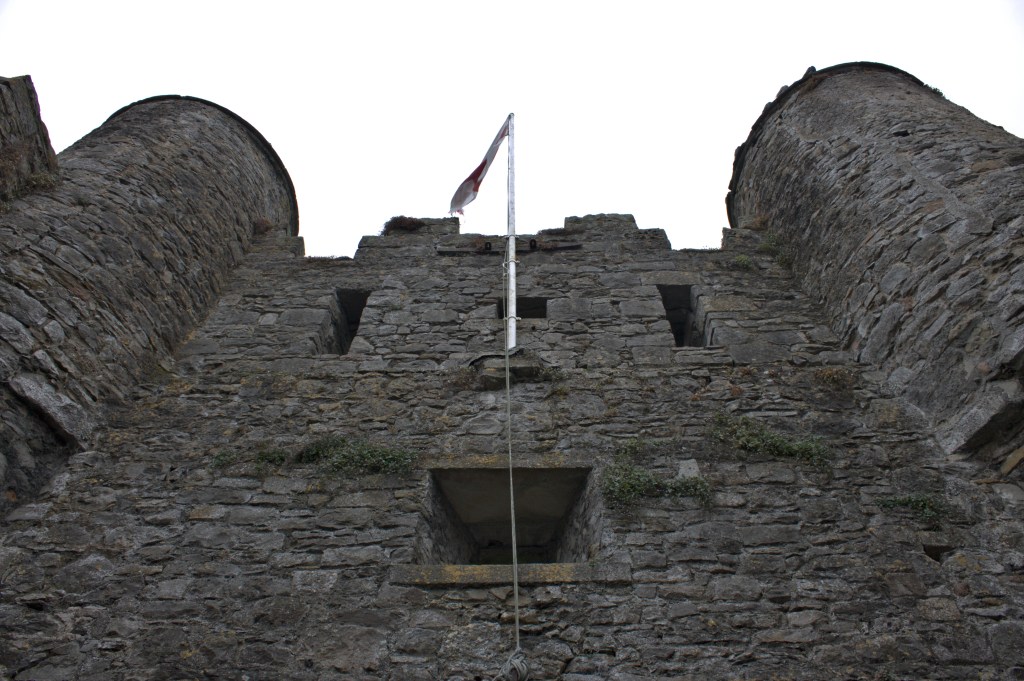
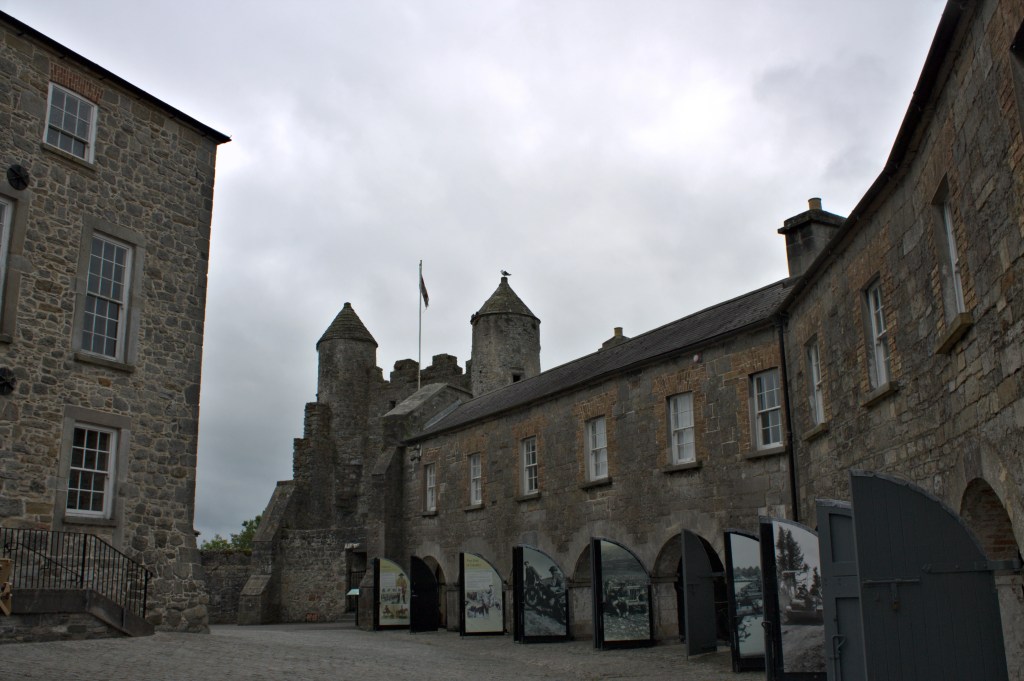
In 1607 in the aftermath of the Flight of the Earls the English Crown permanently seized the land. Sir William Cole was appointed as Constable of the Castle and rebuilt the medieval foundations into a more secure structure, including the adding of the iconic Watergate Tower, the twin-turreted feature that is emblematic of the town of Enniskillen to this day. The late 1700s saw further refurbishment and an increase in defensive structures due to the fear of a French invasion during the Revolutionary Wars. The 19th century led to further expansion with the Curved Range and the Barrack Coach House built during this time to support the Royal Inniskilling Fusiliers. Enniskillen Castle continued to be used as a military barracks until 1950.
GPS: 54.34617, -7.64502