
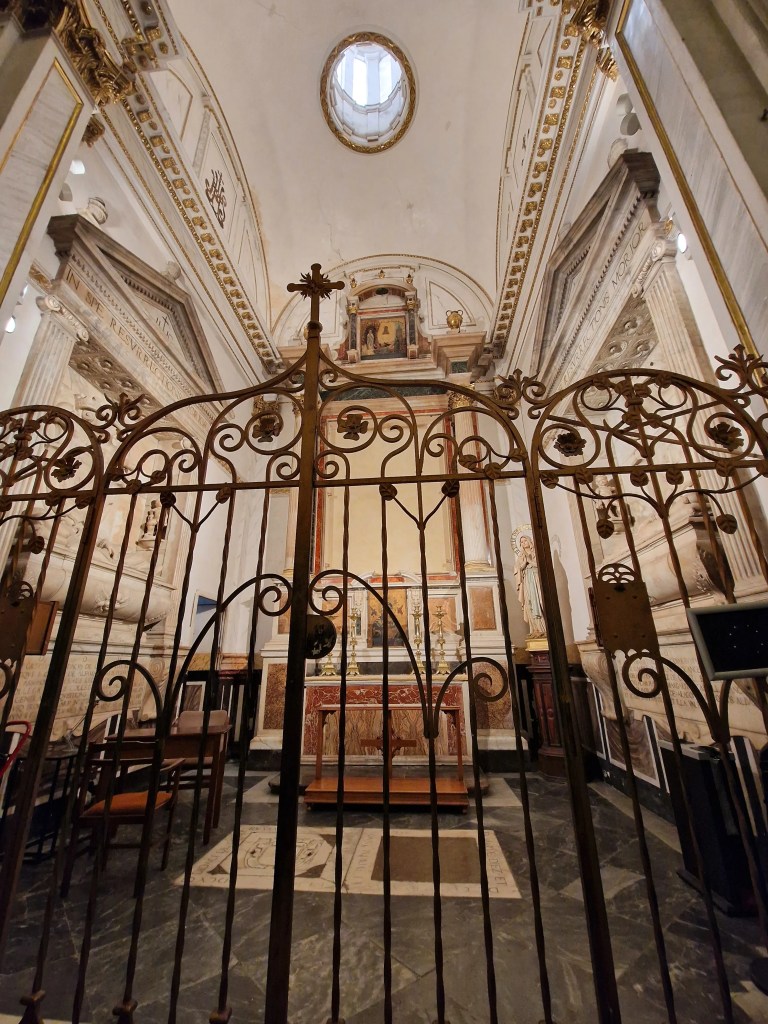
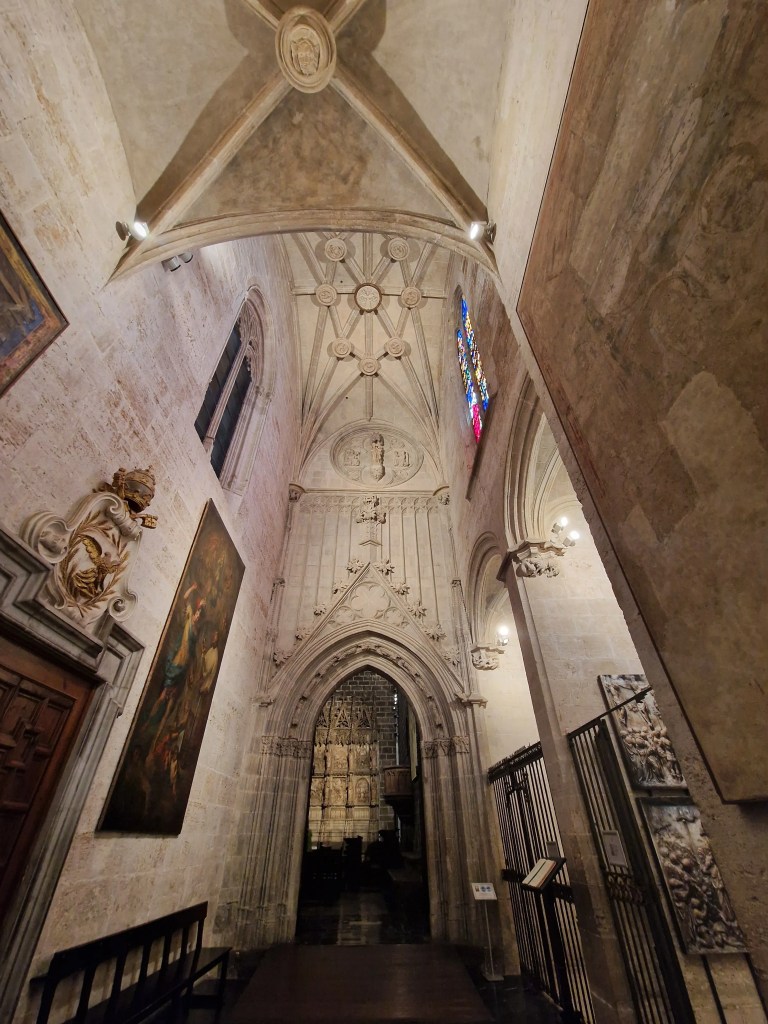
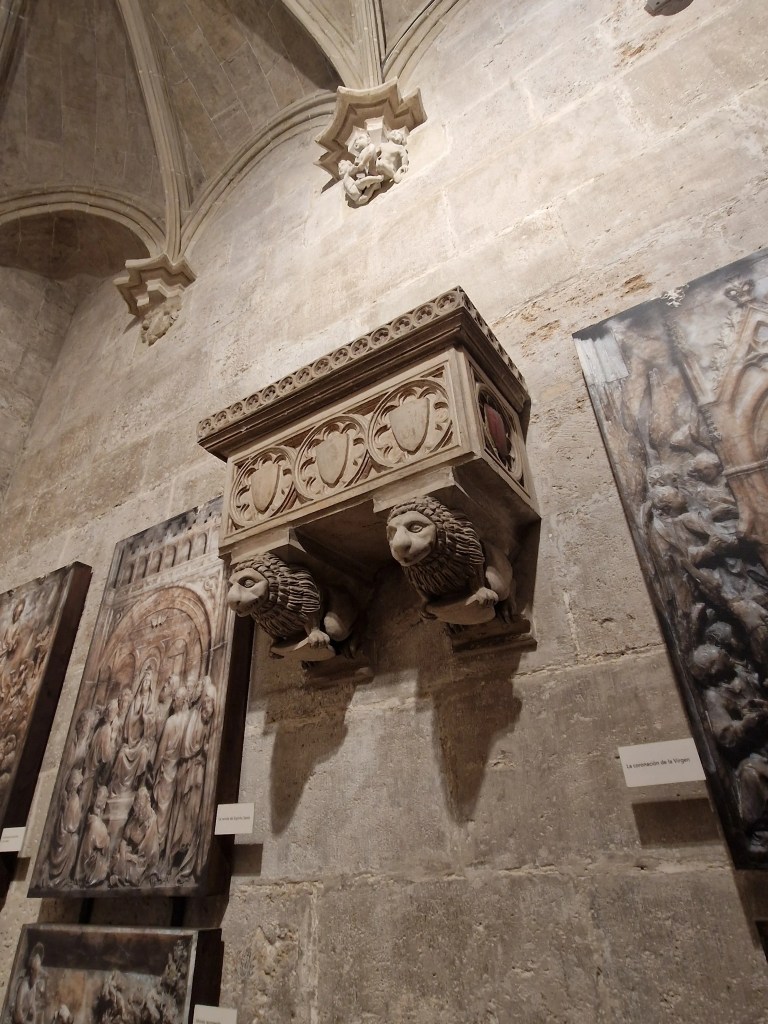
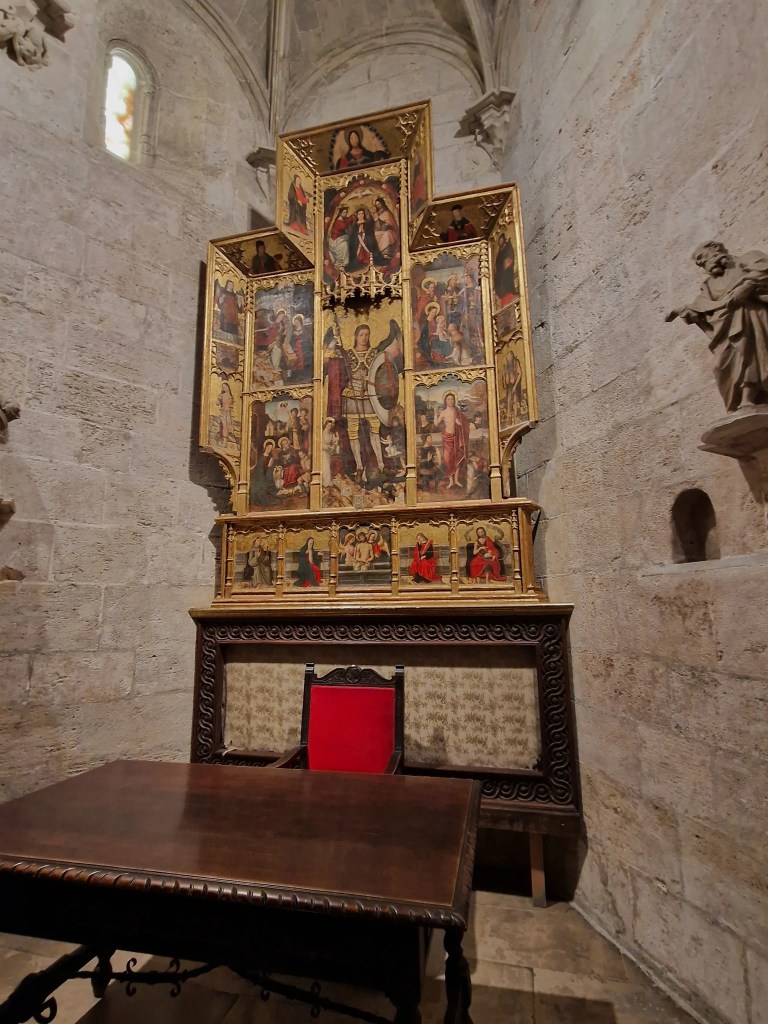
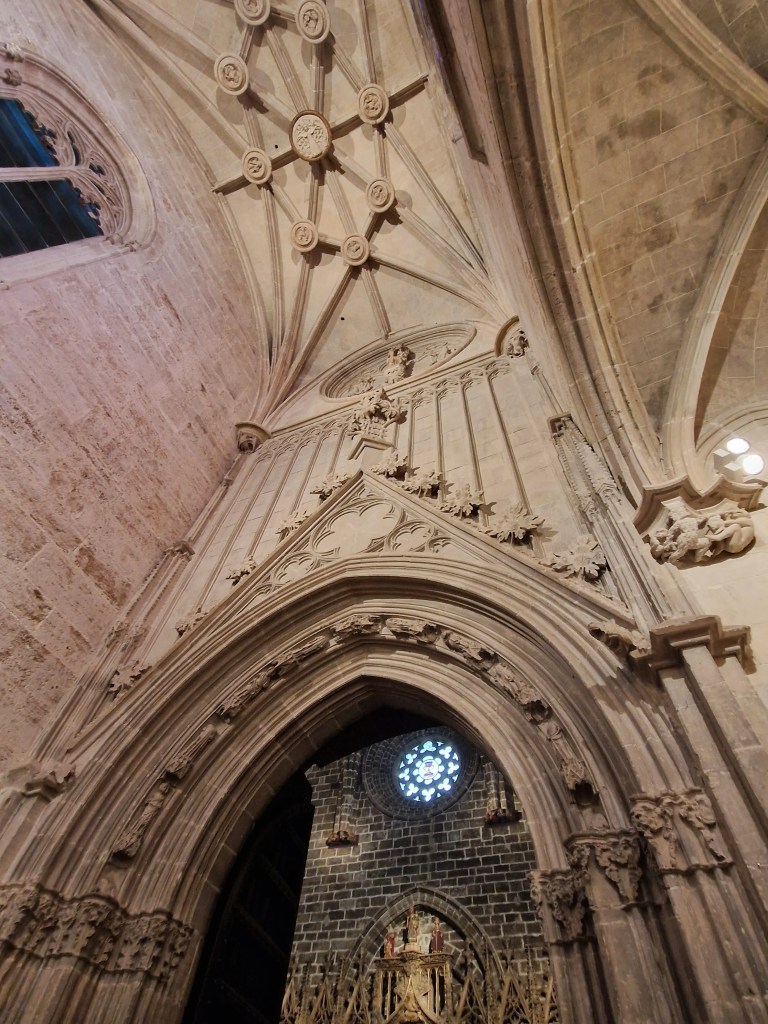
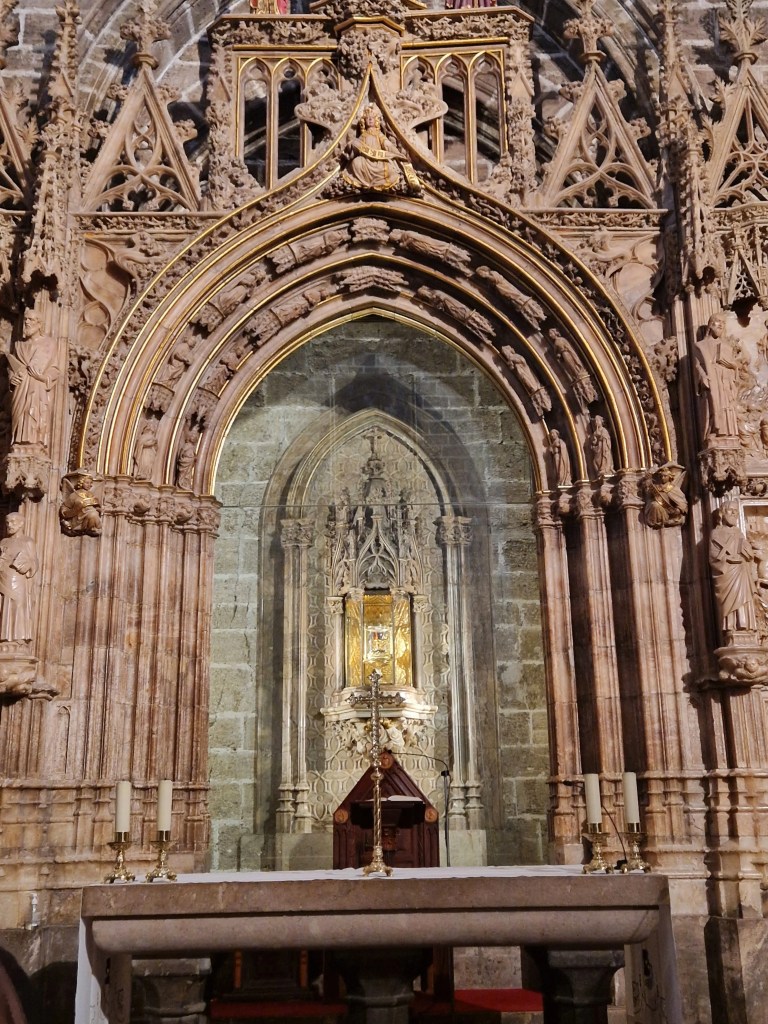
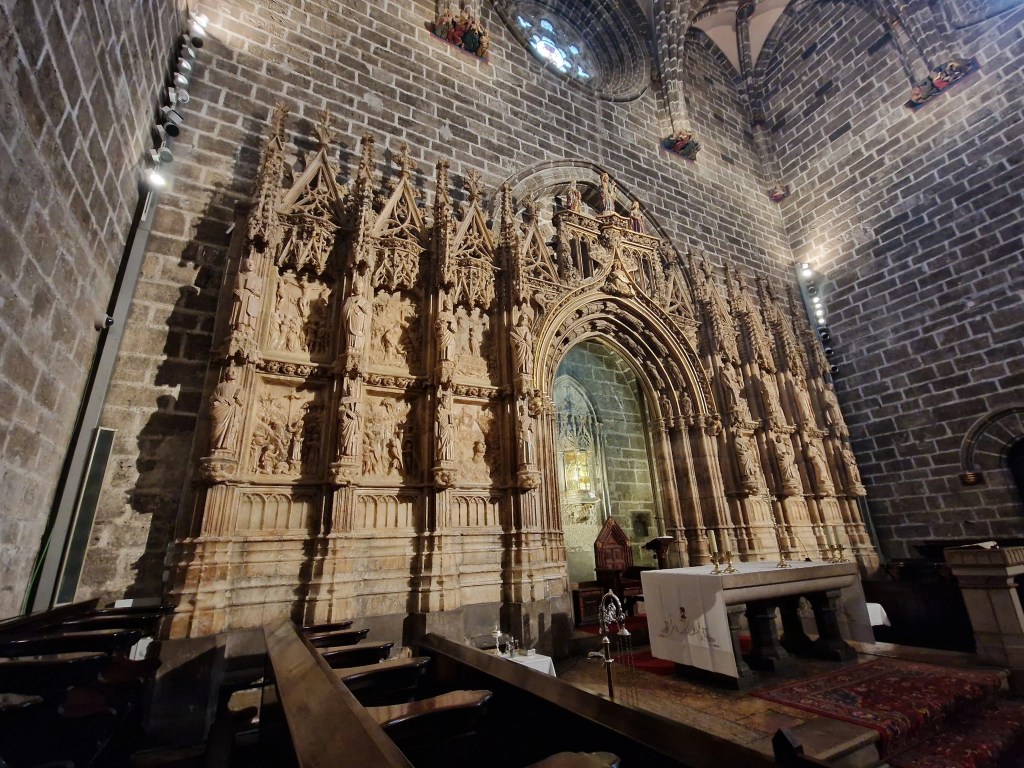
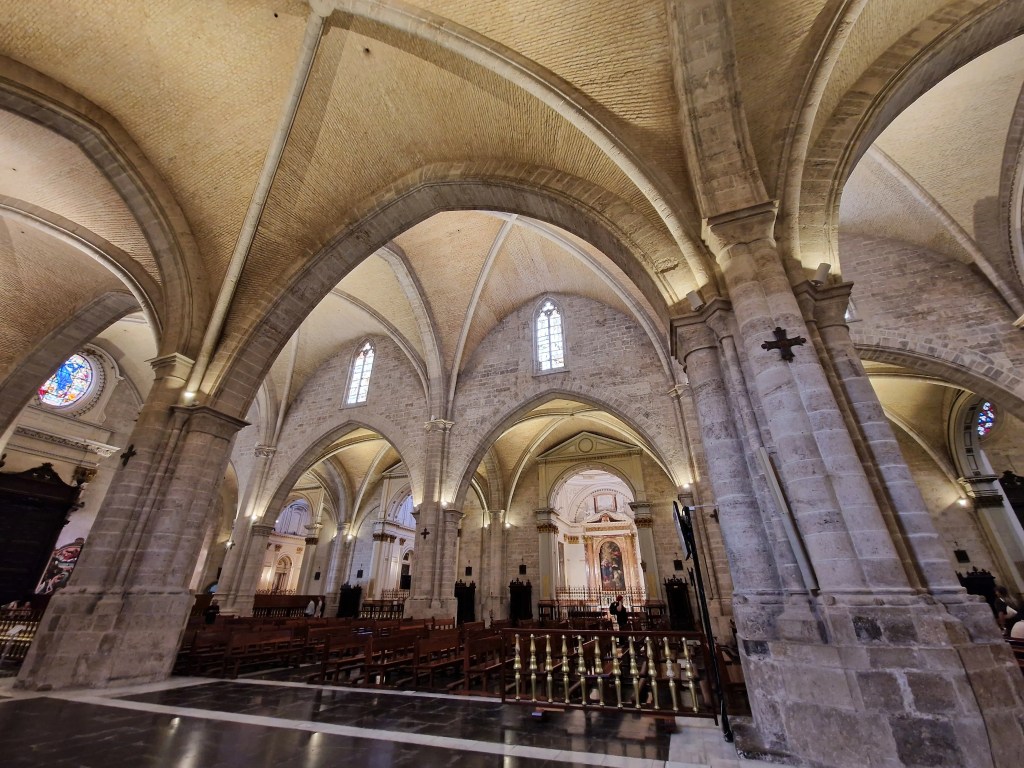
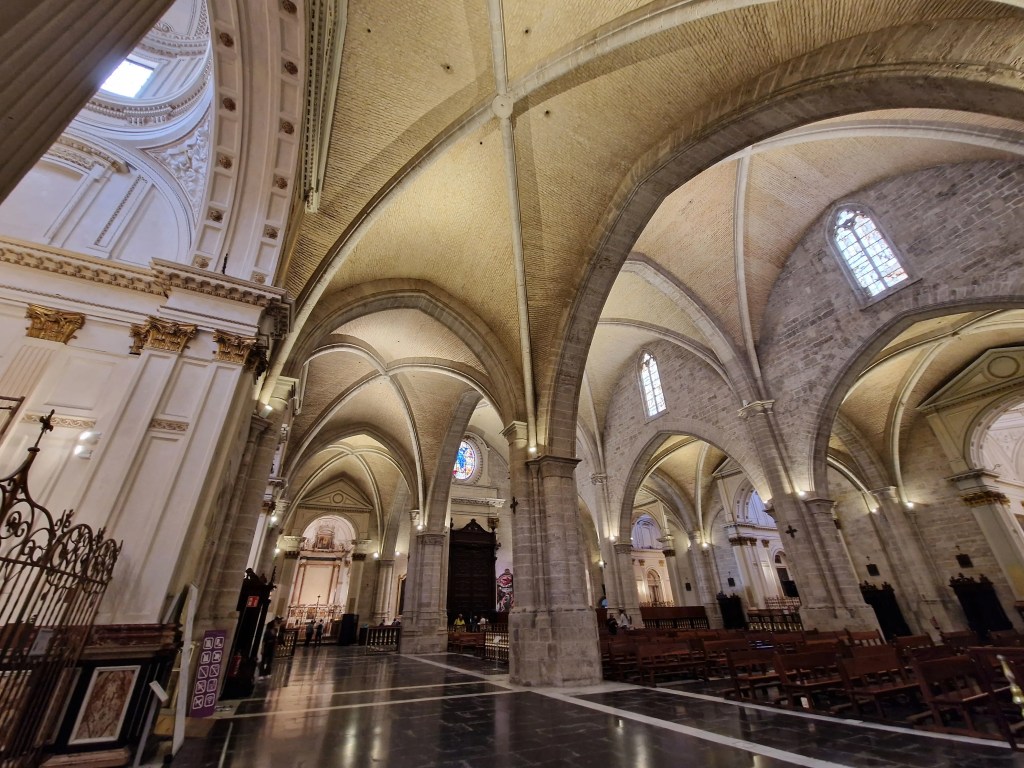
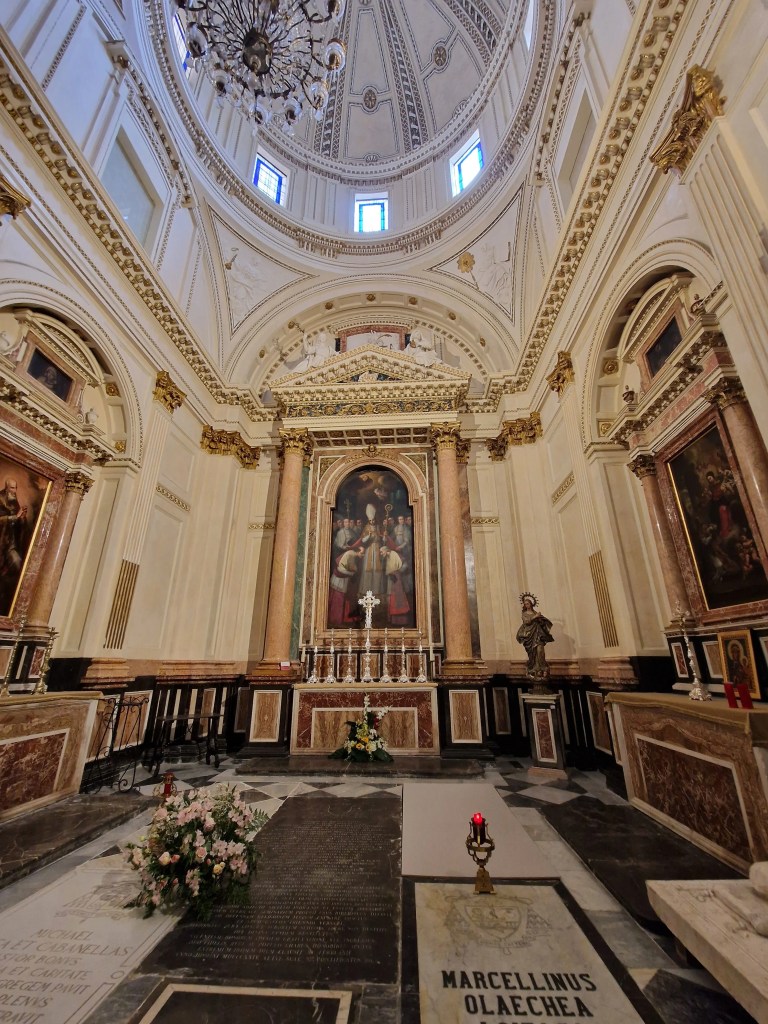
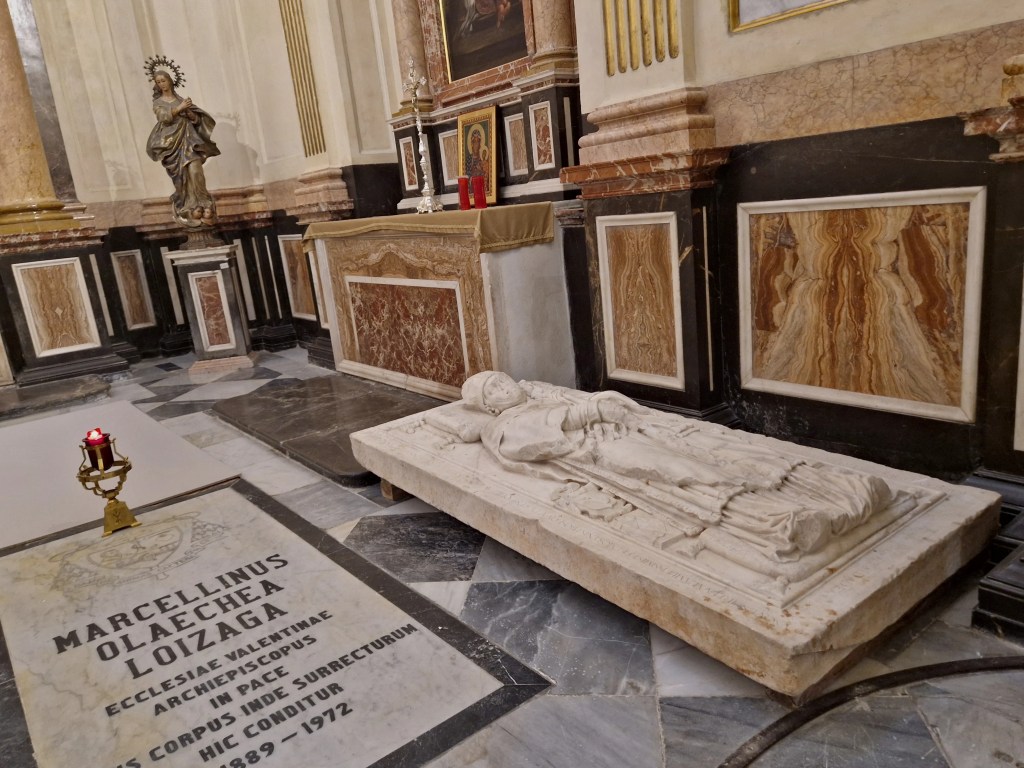
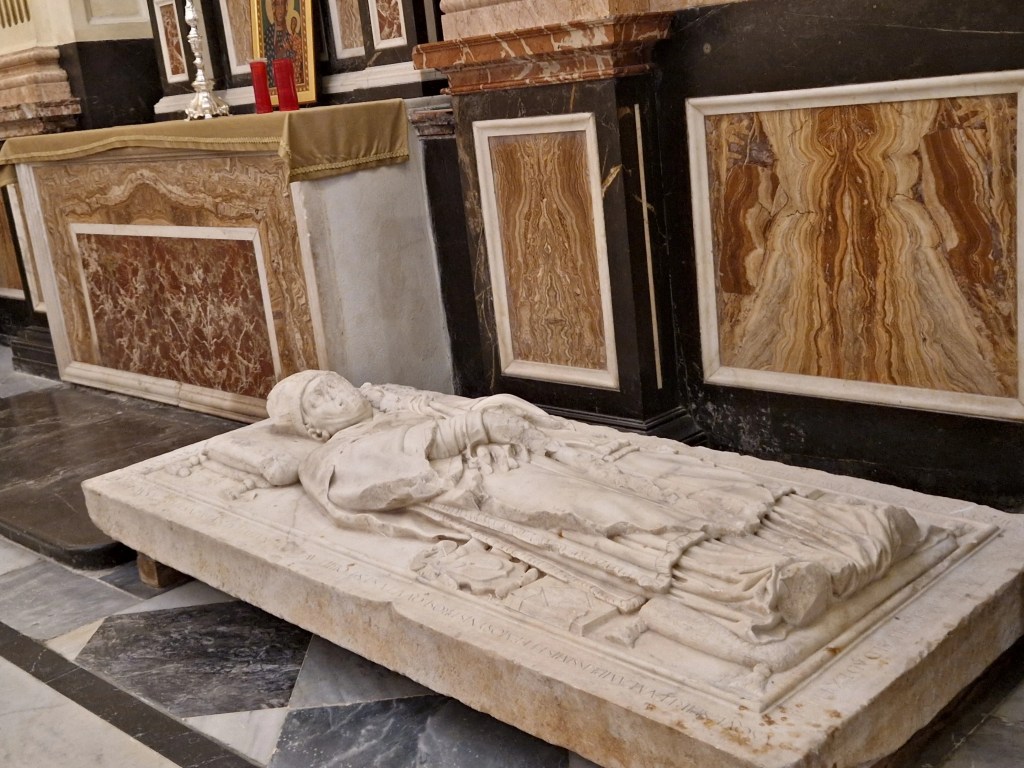
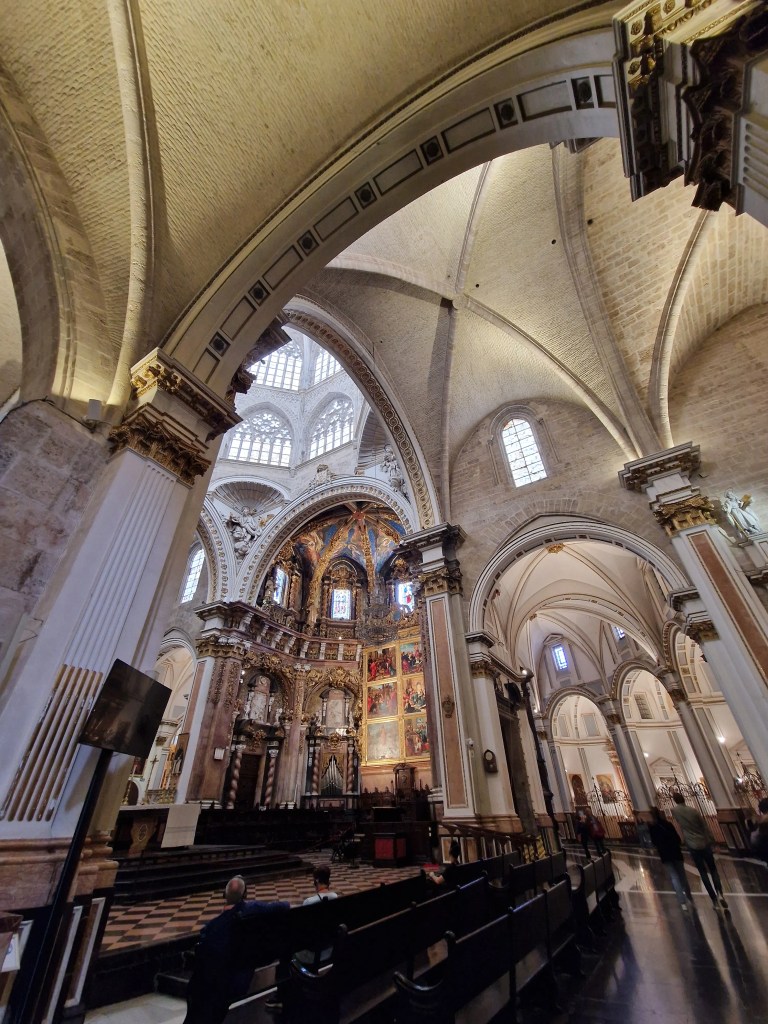
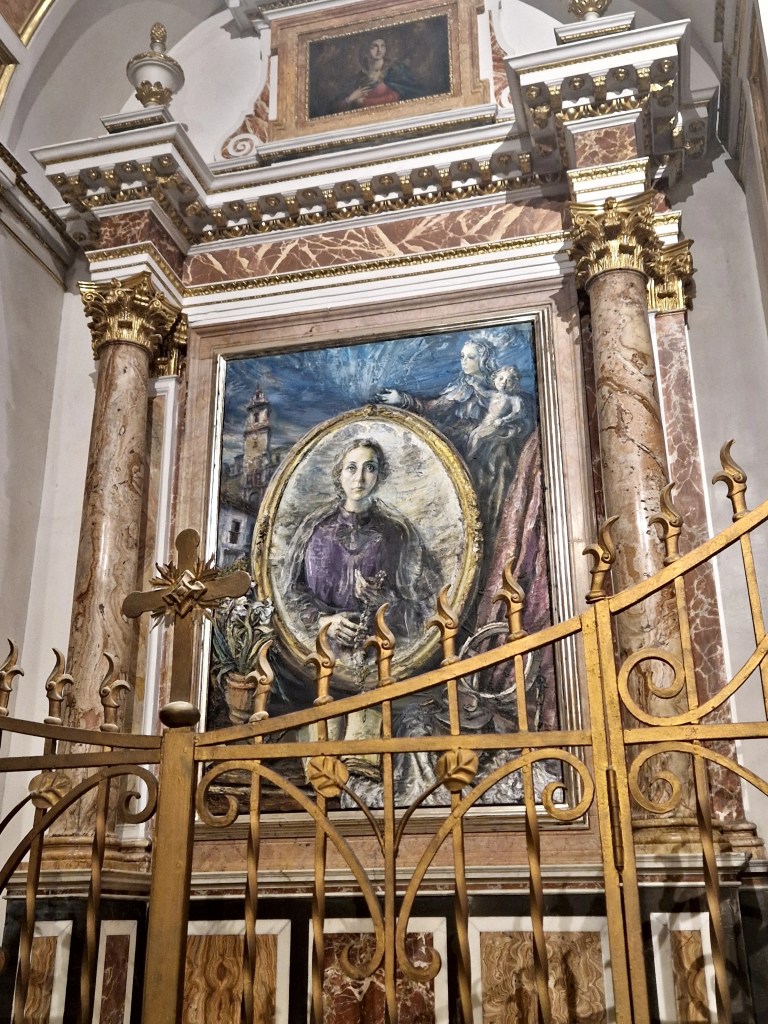
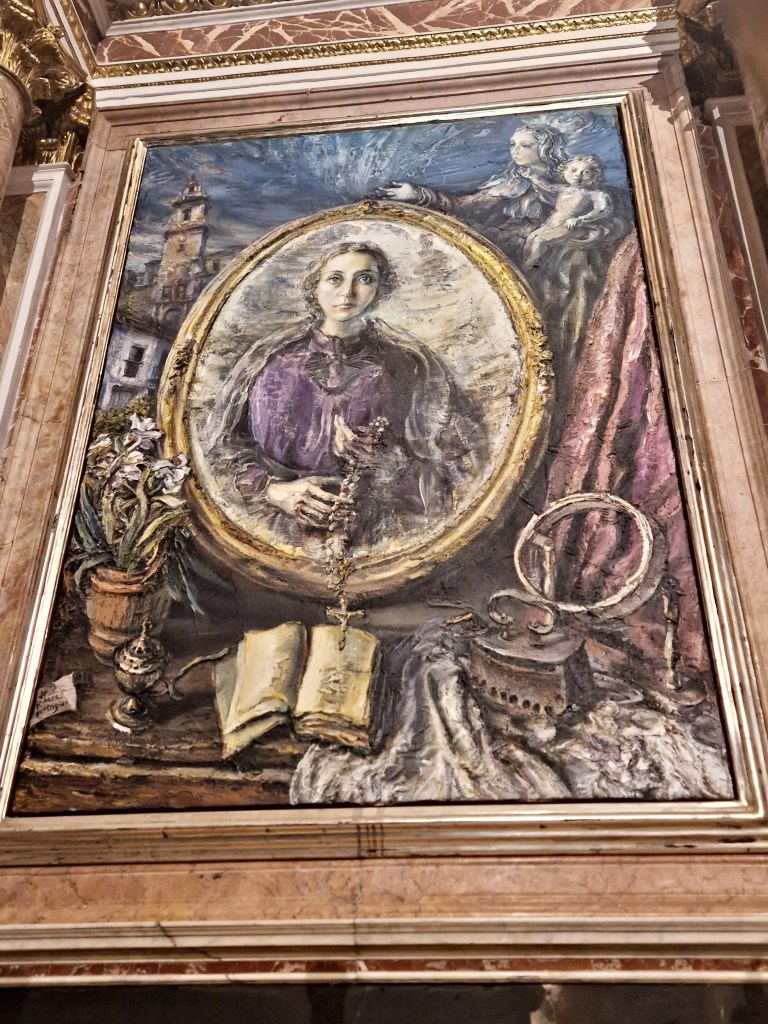
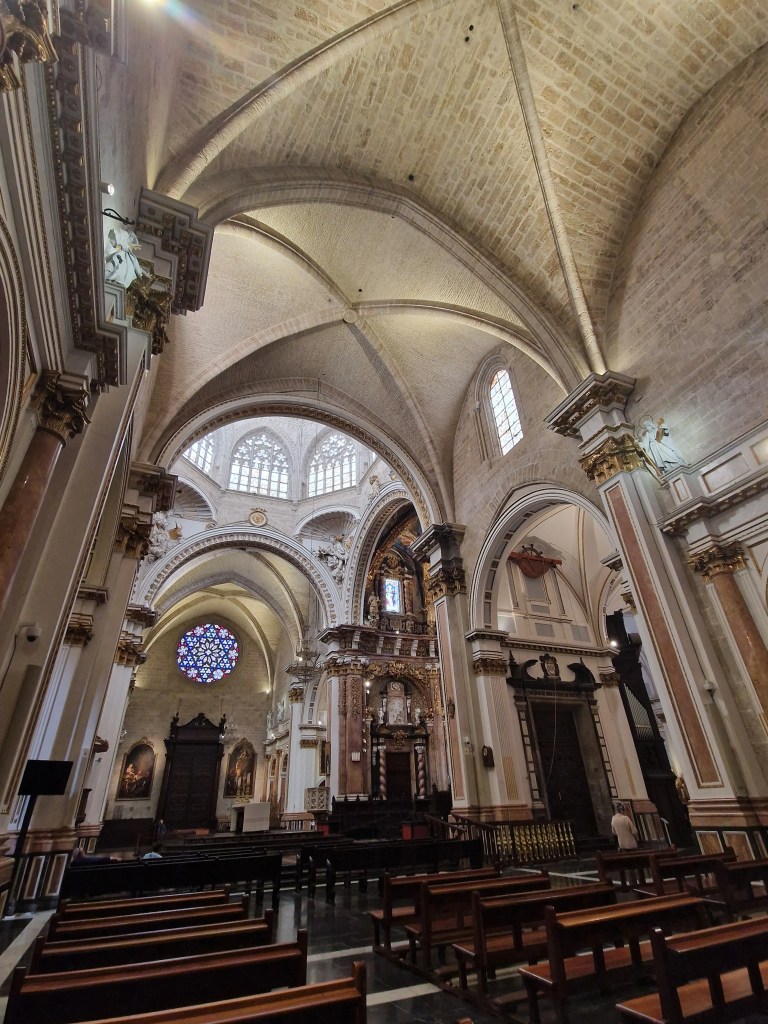
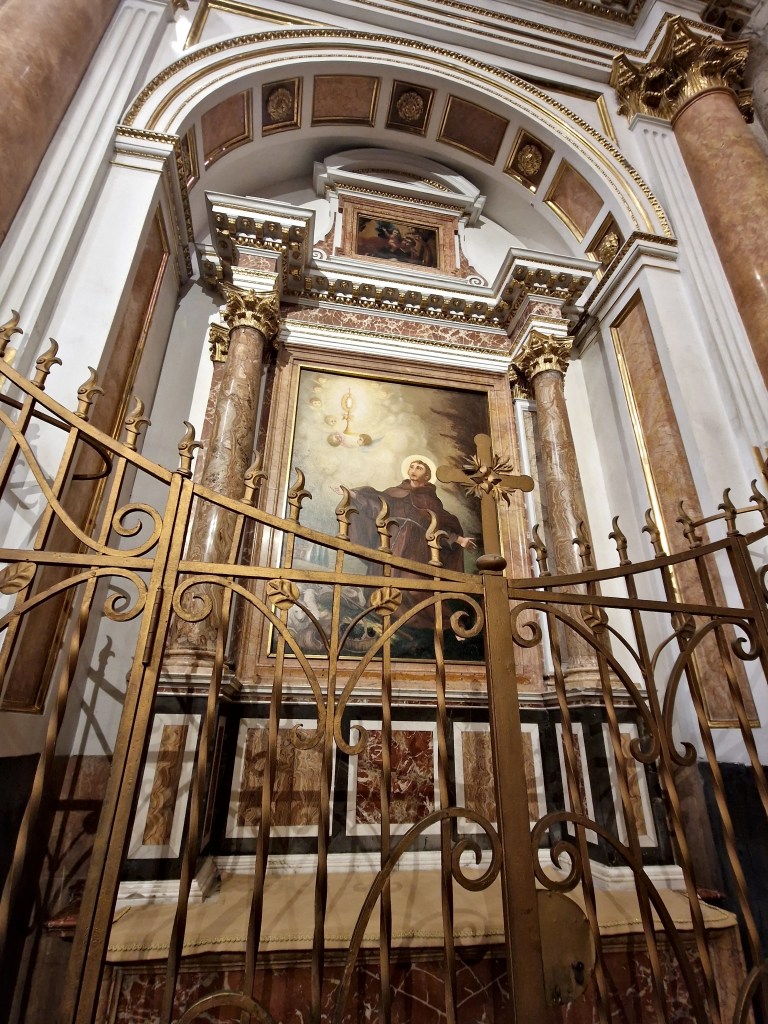
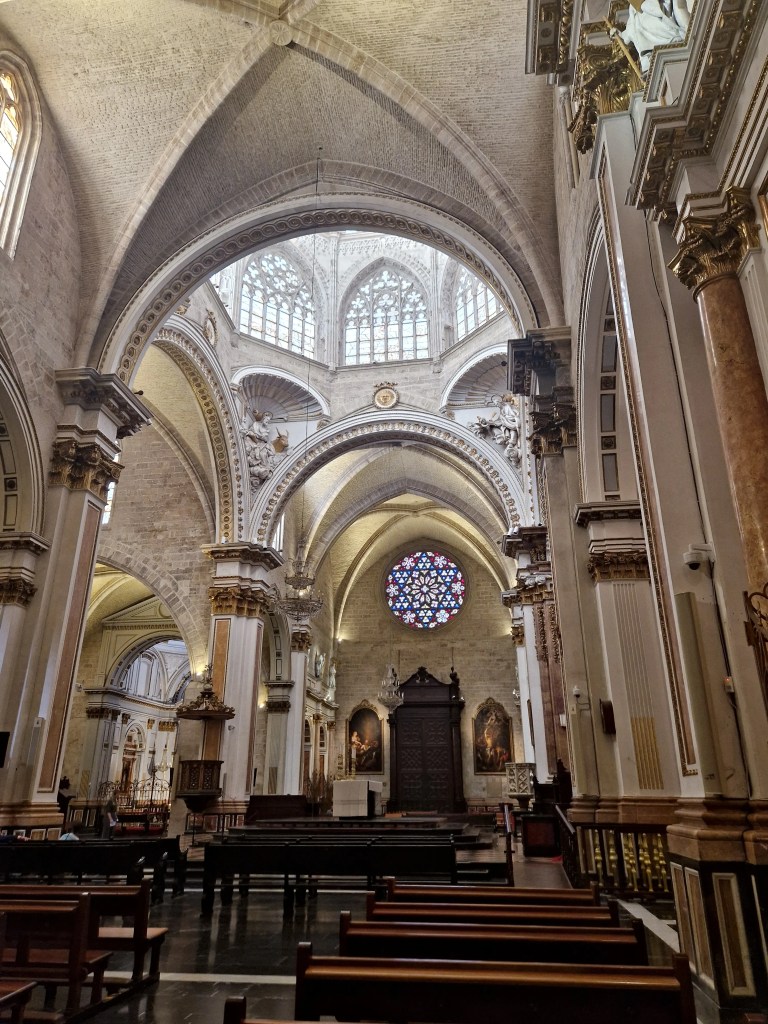
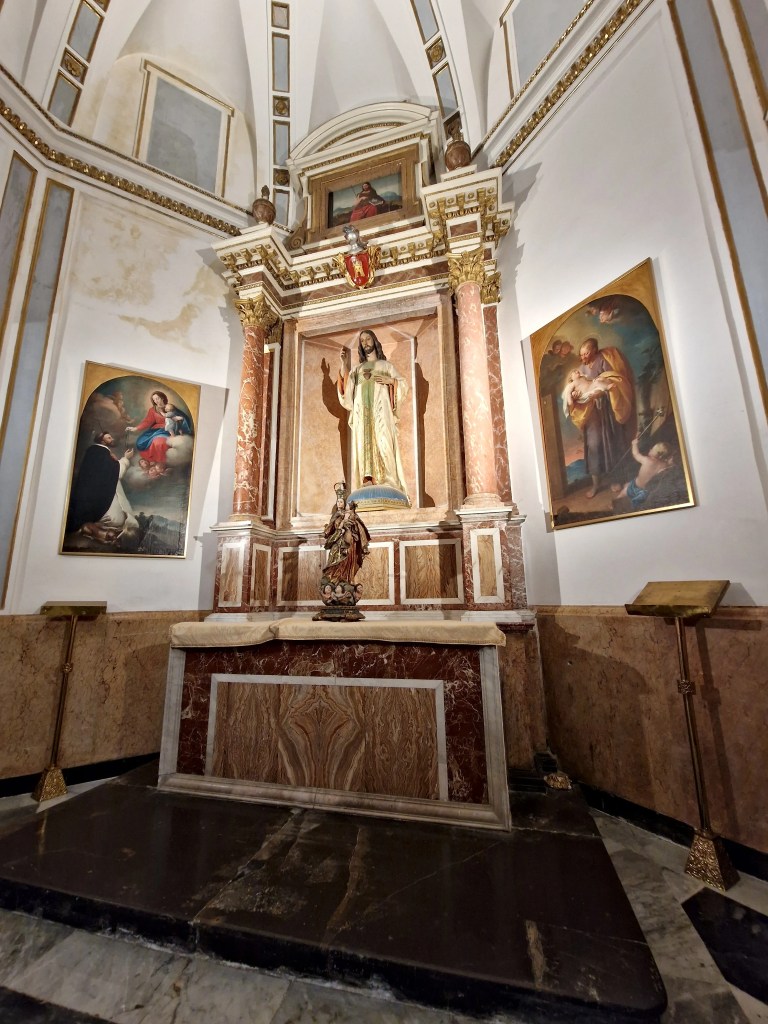
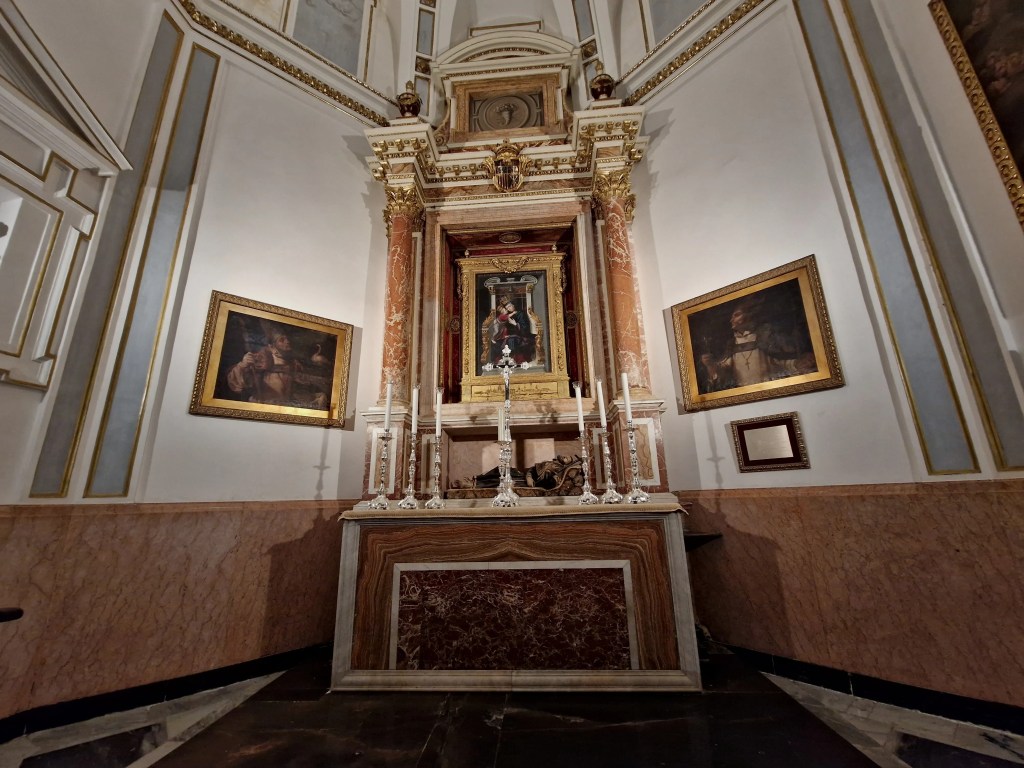
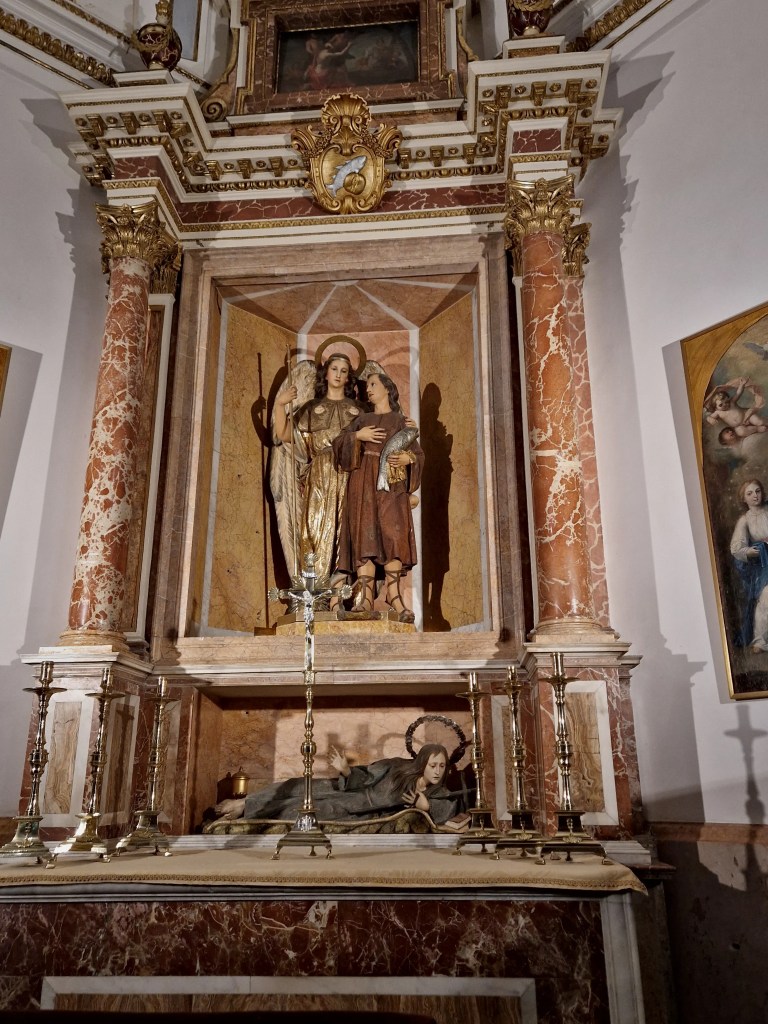

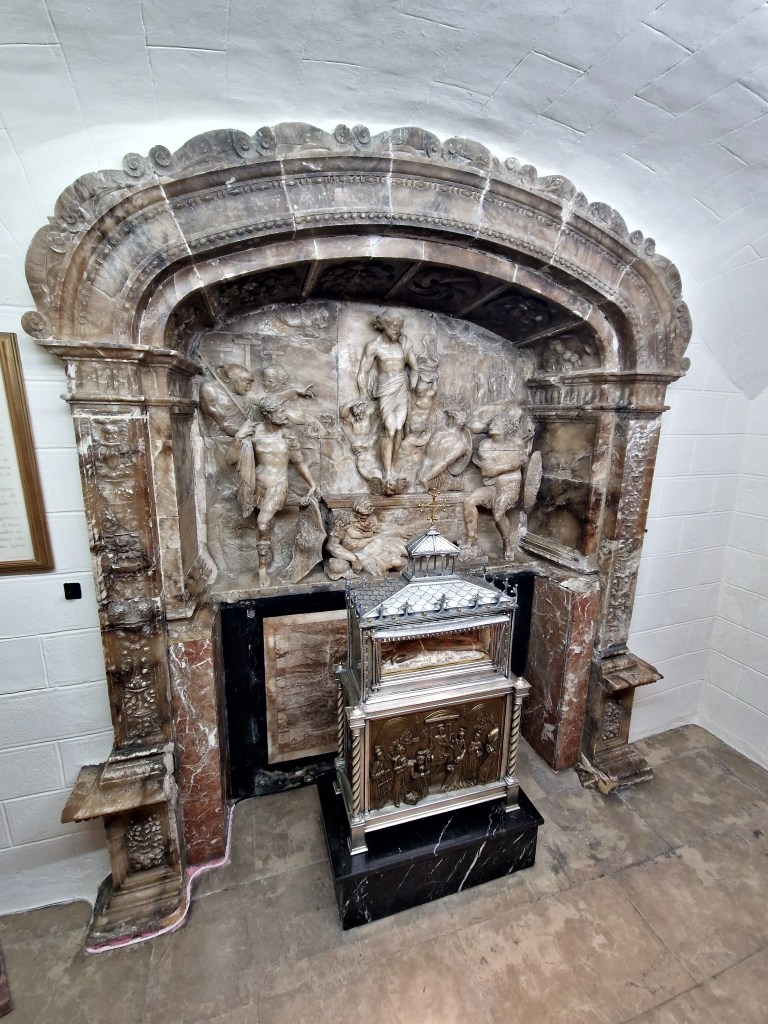
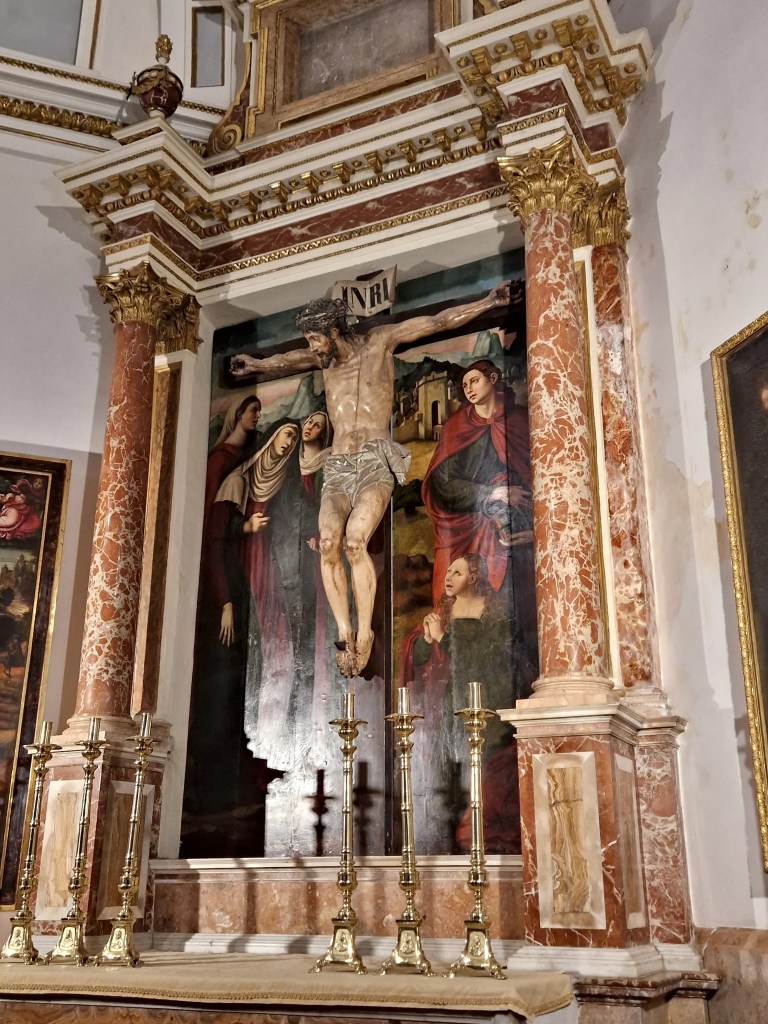
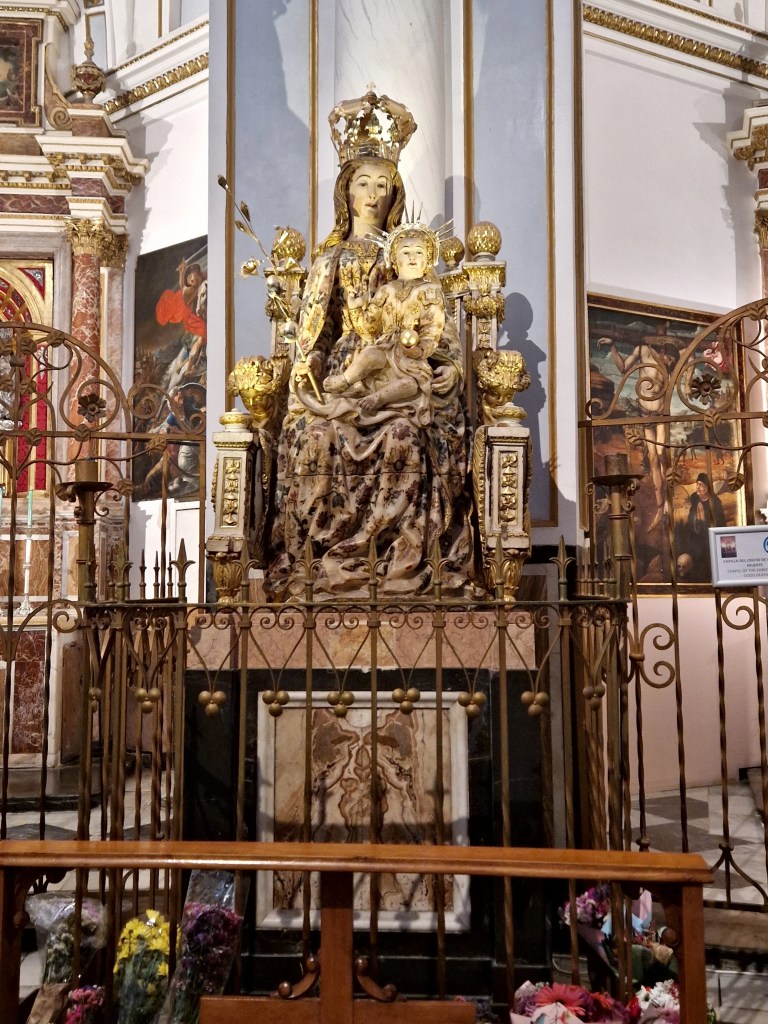
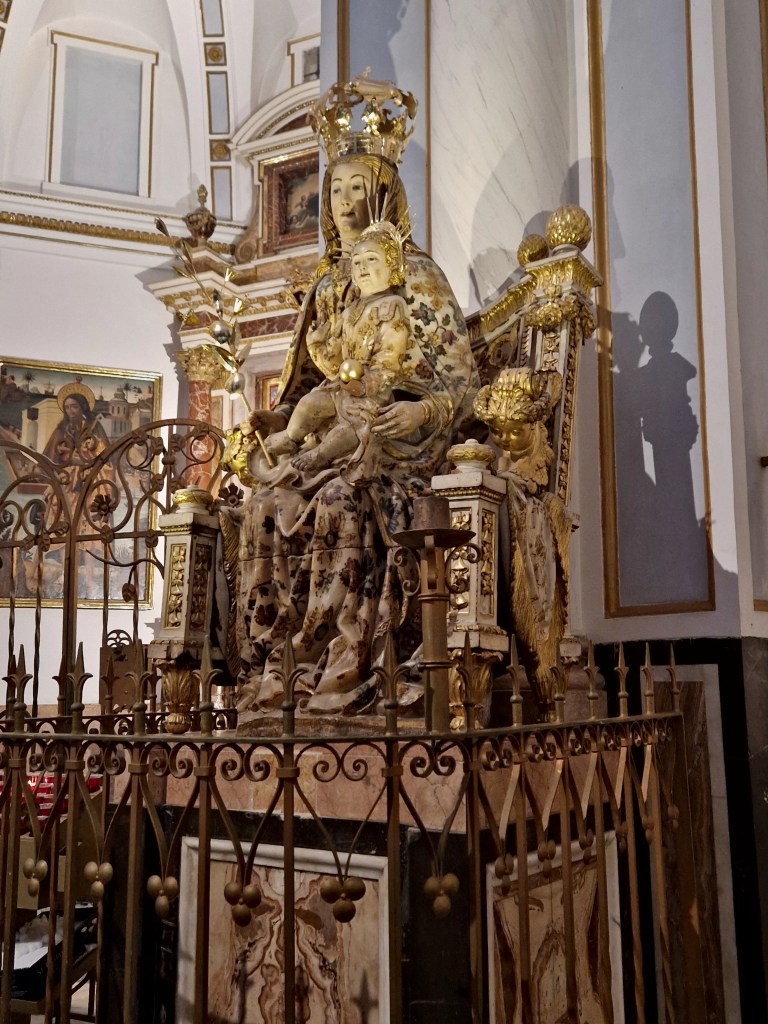
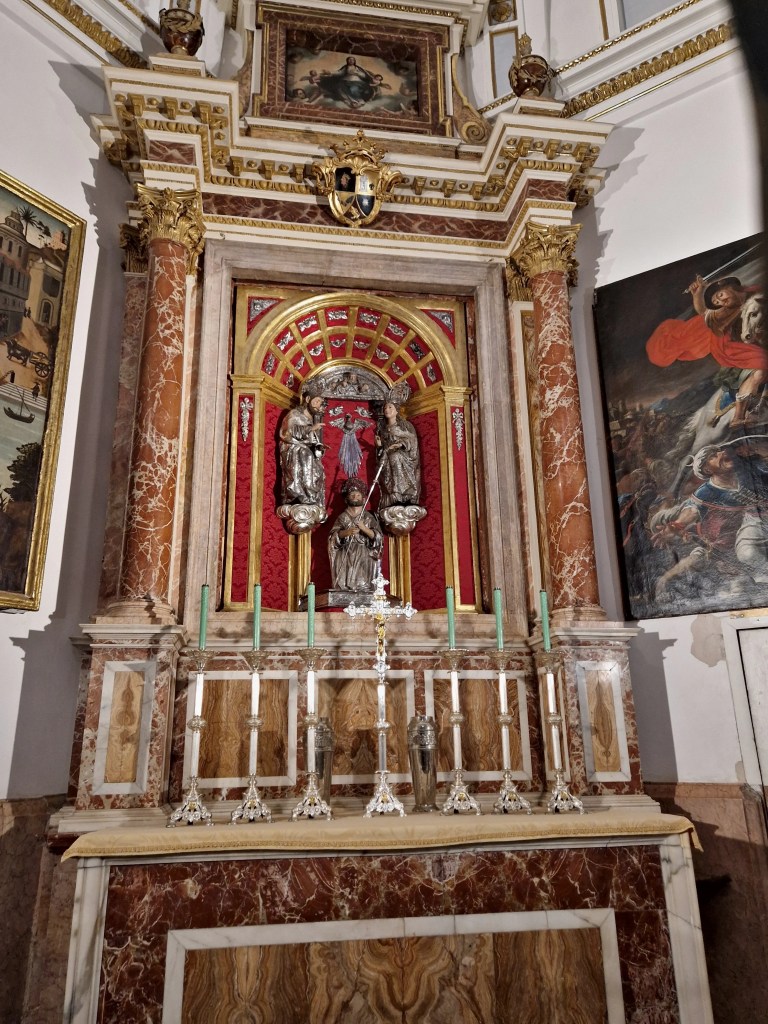
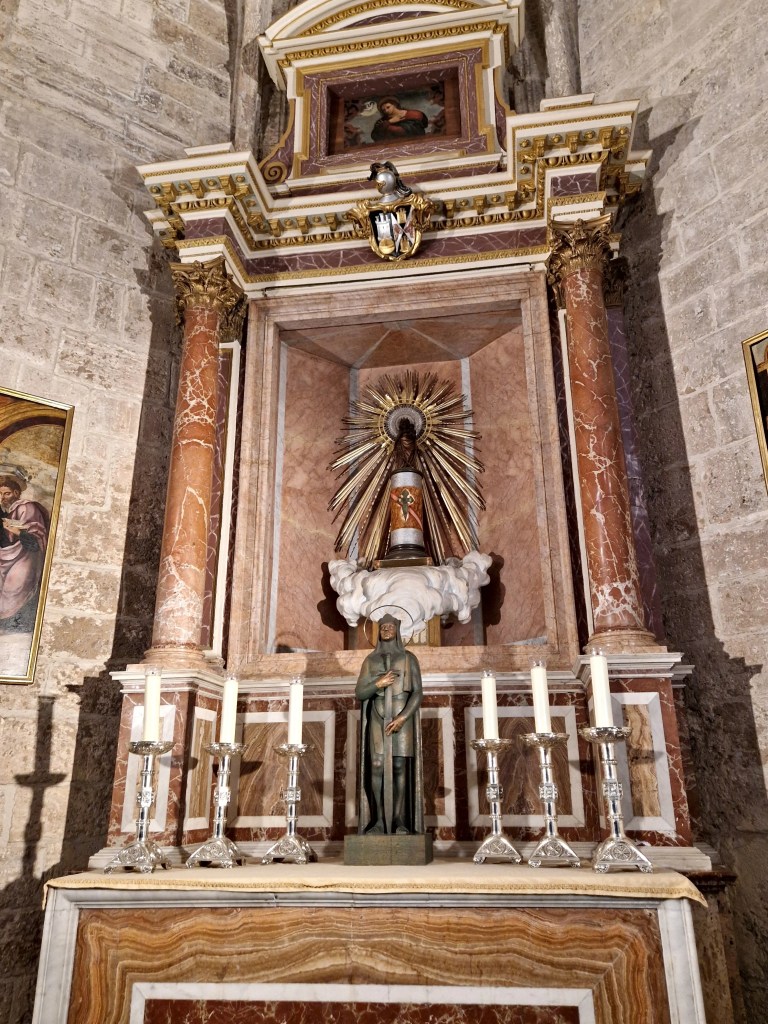
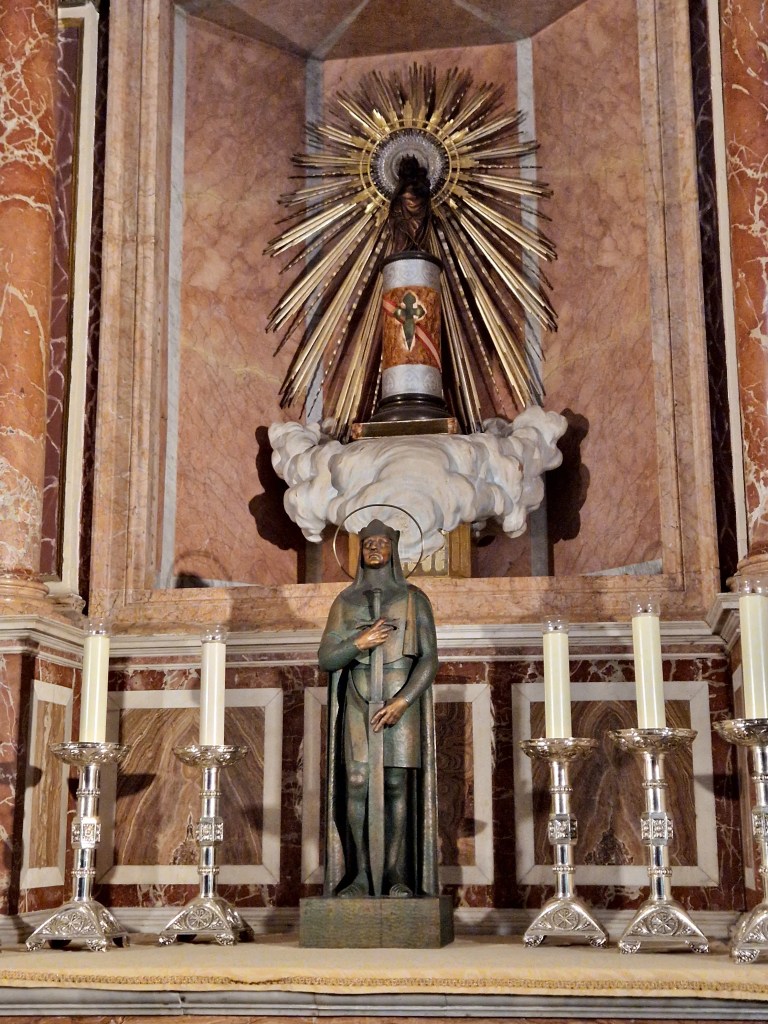


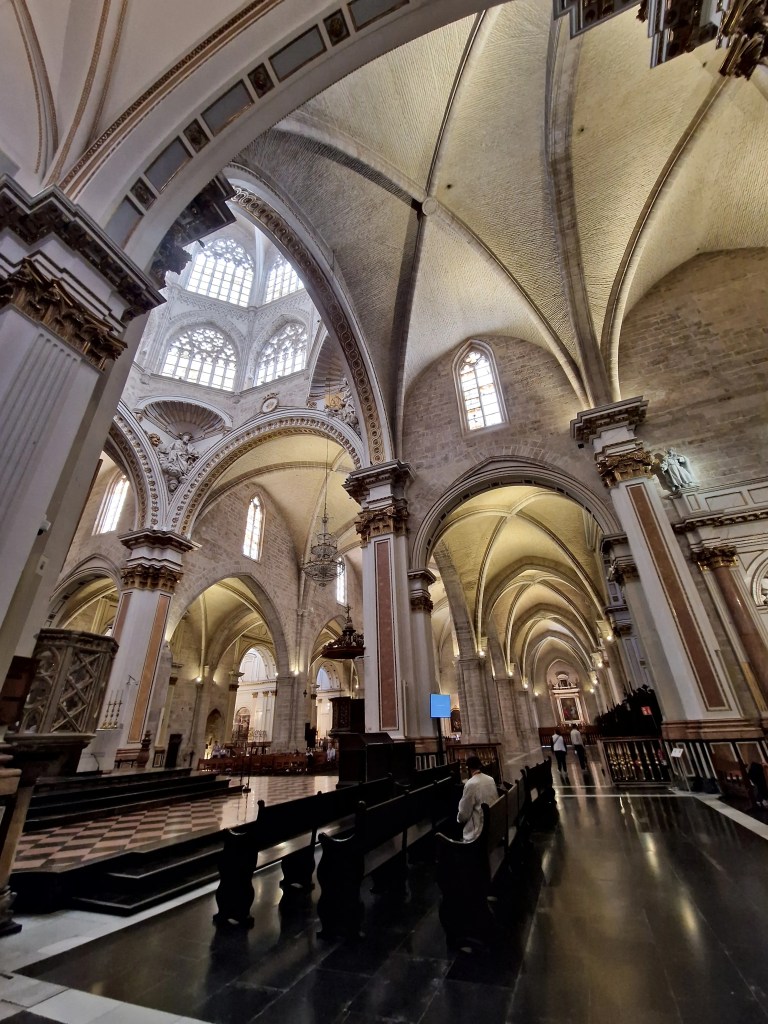
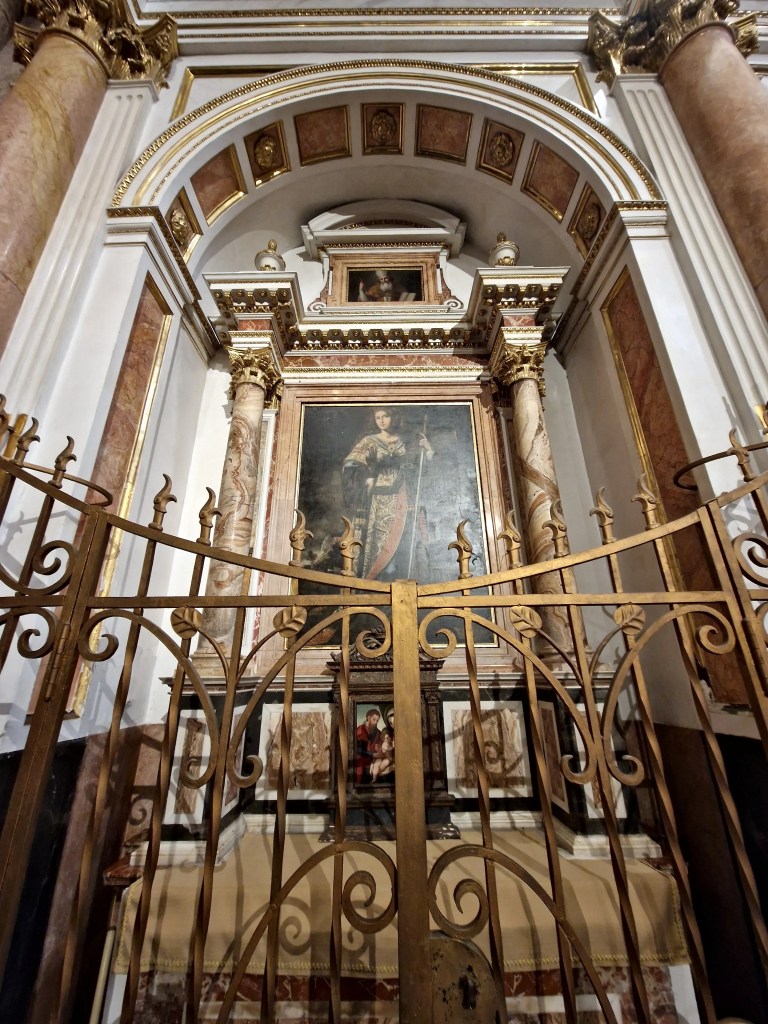
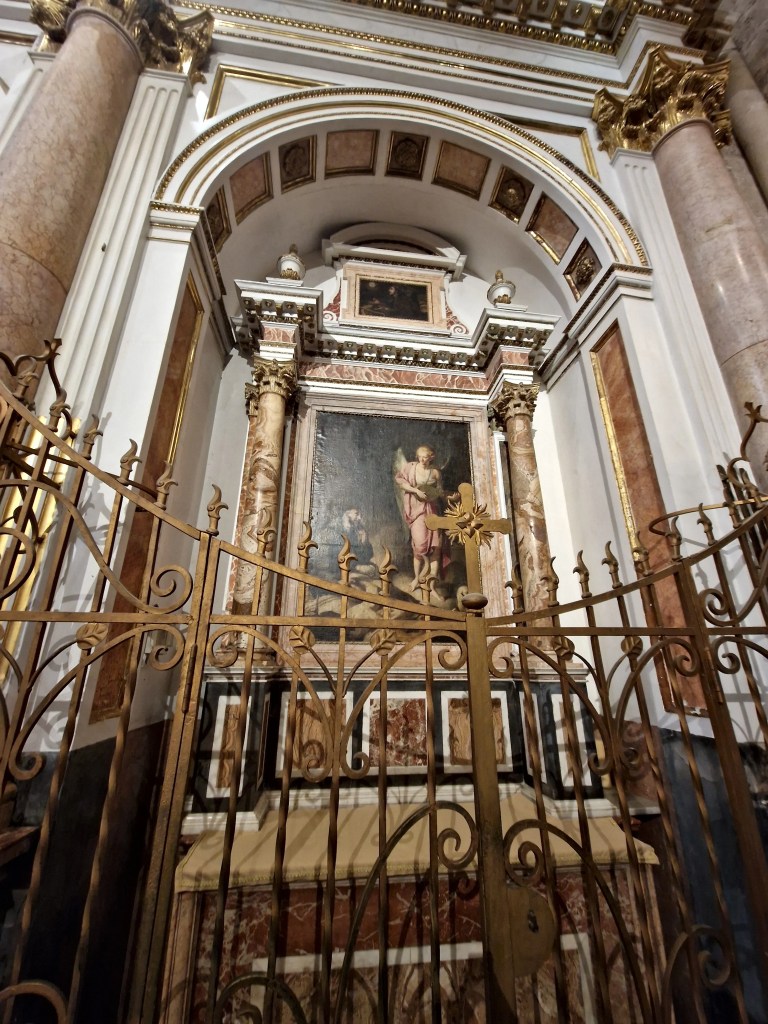


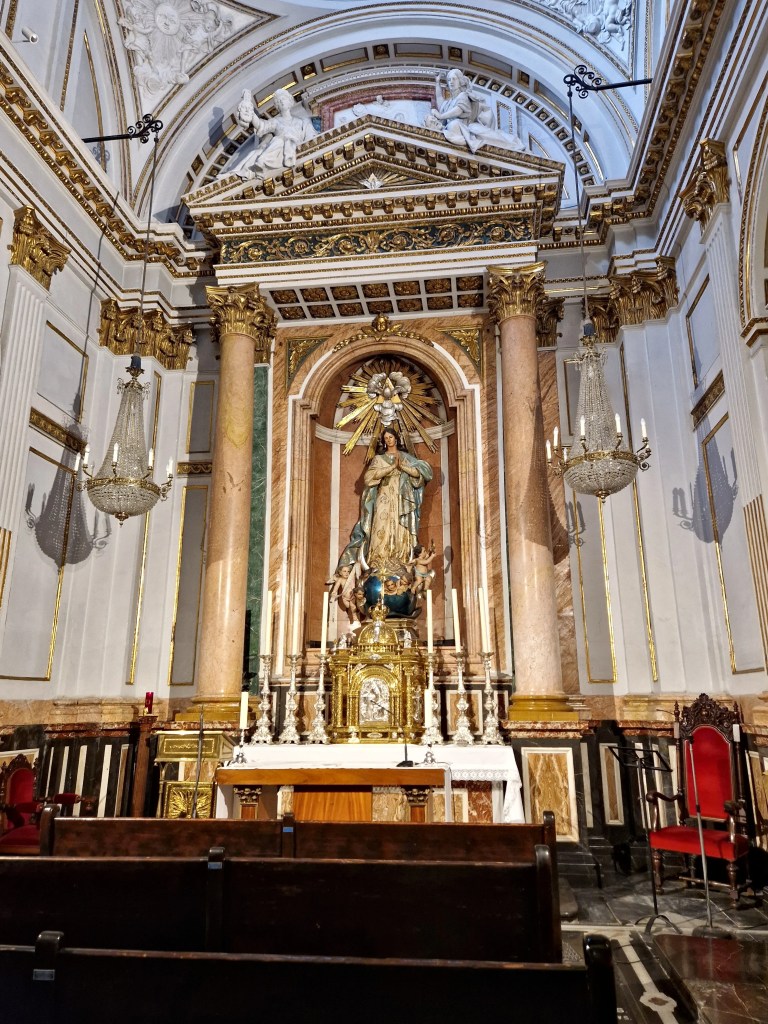
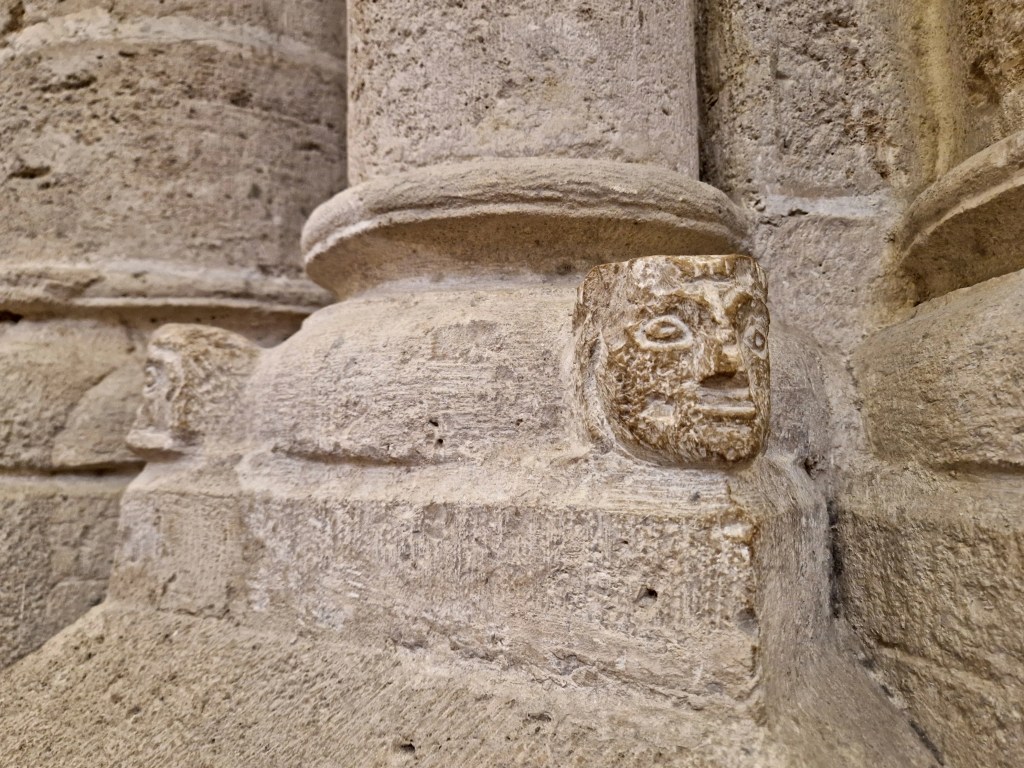
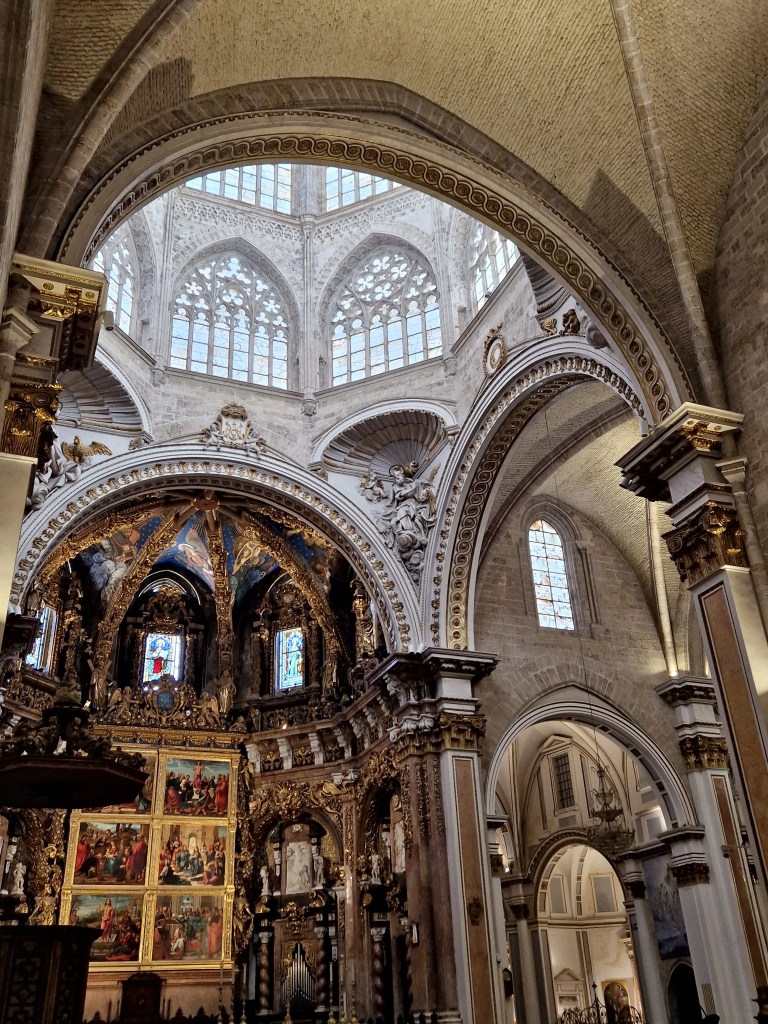
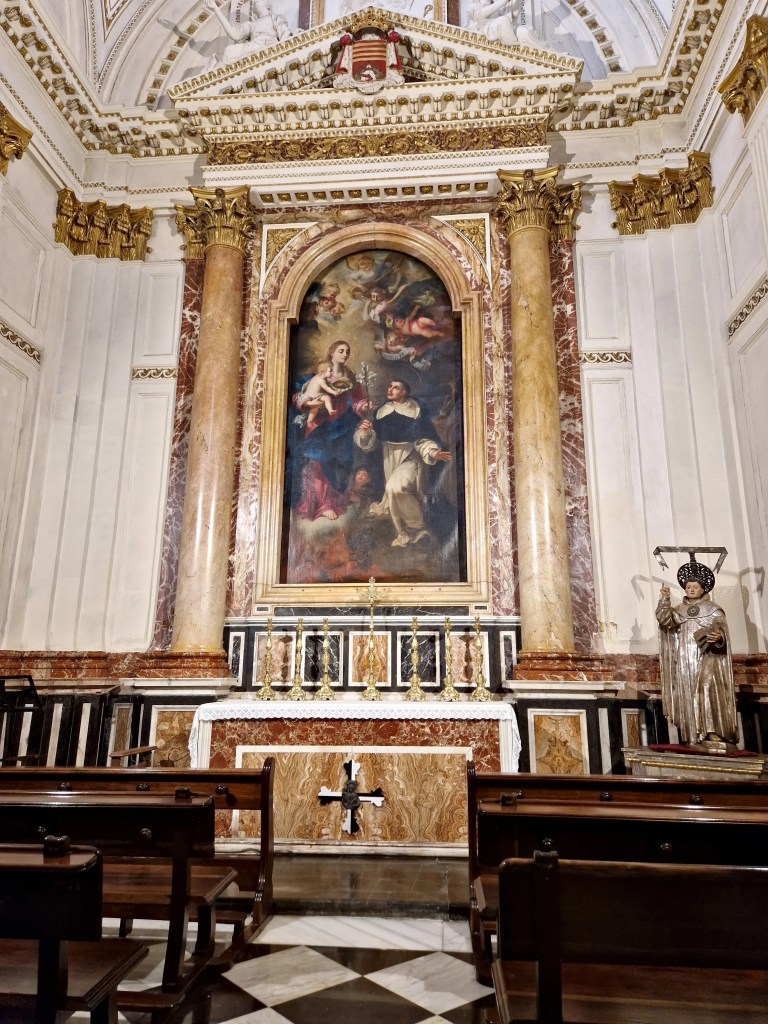

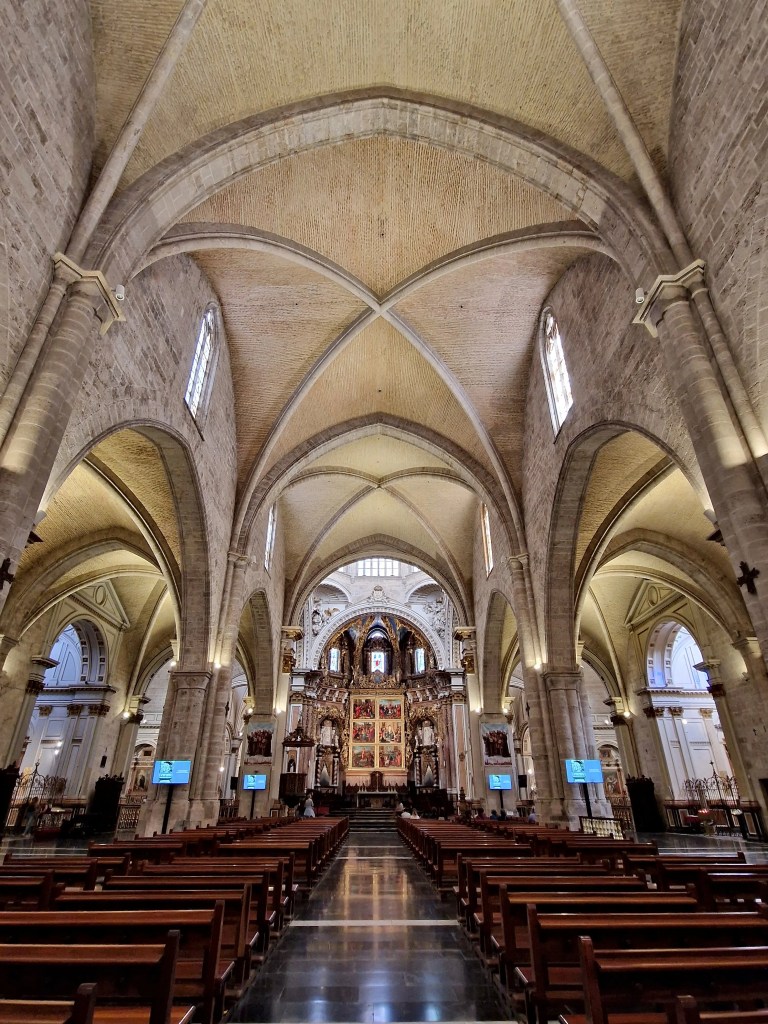
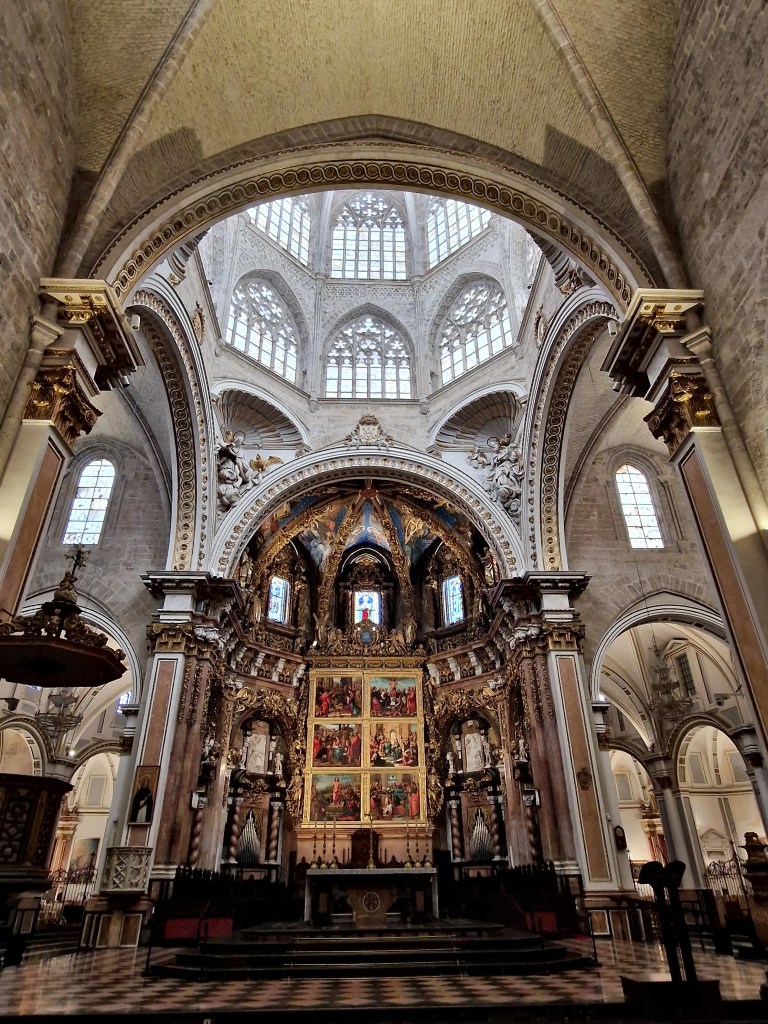
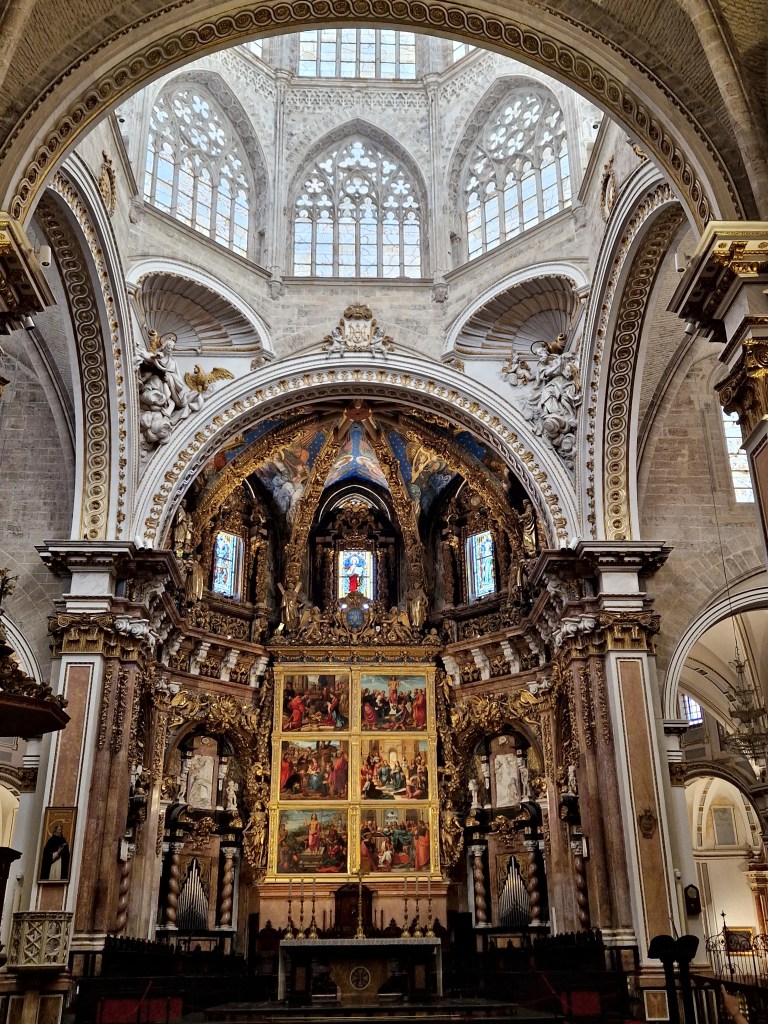
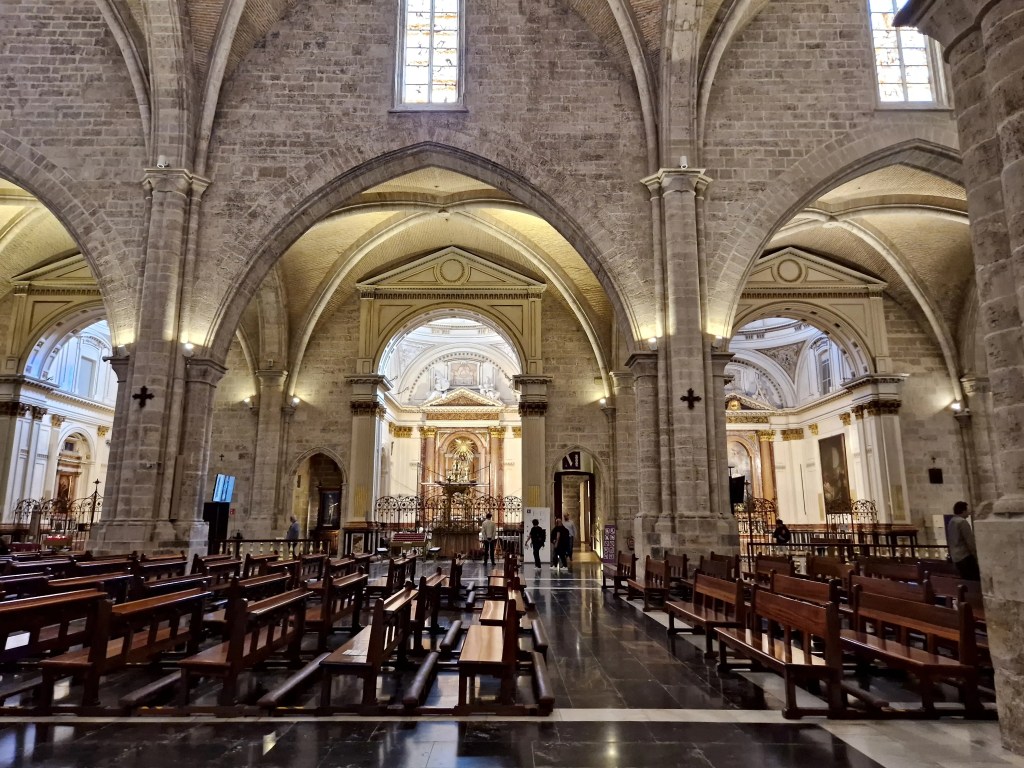
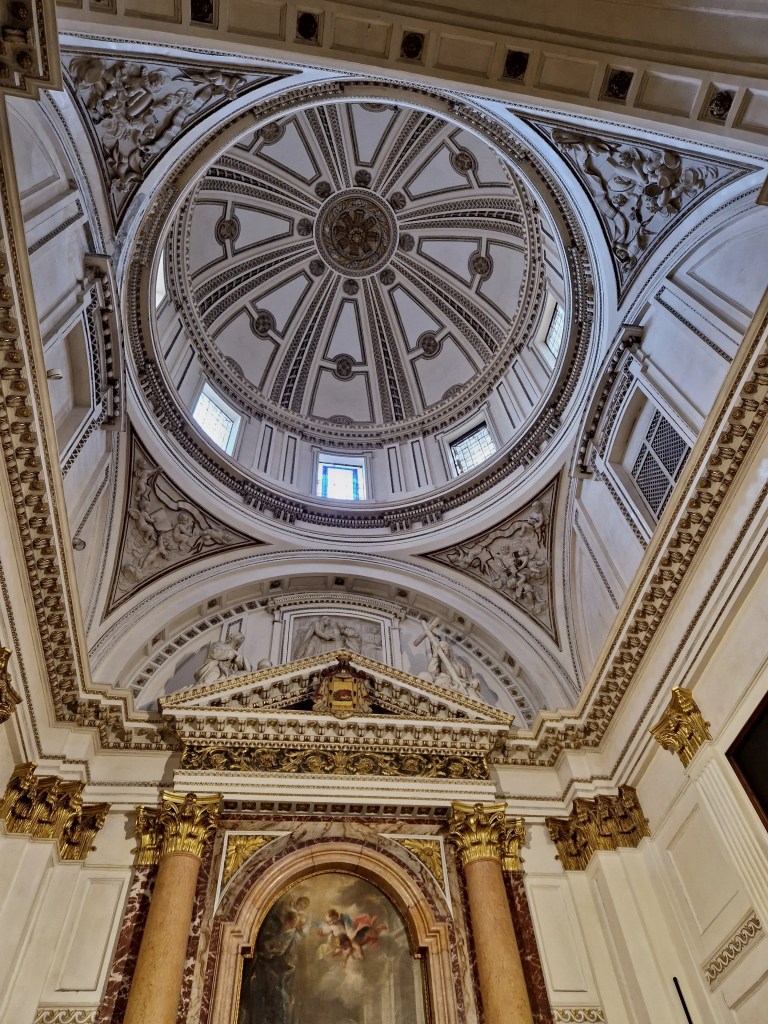

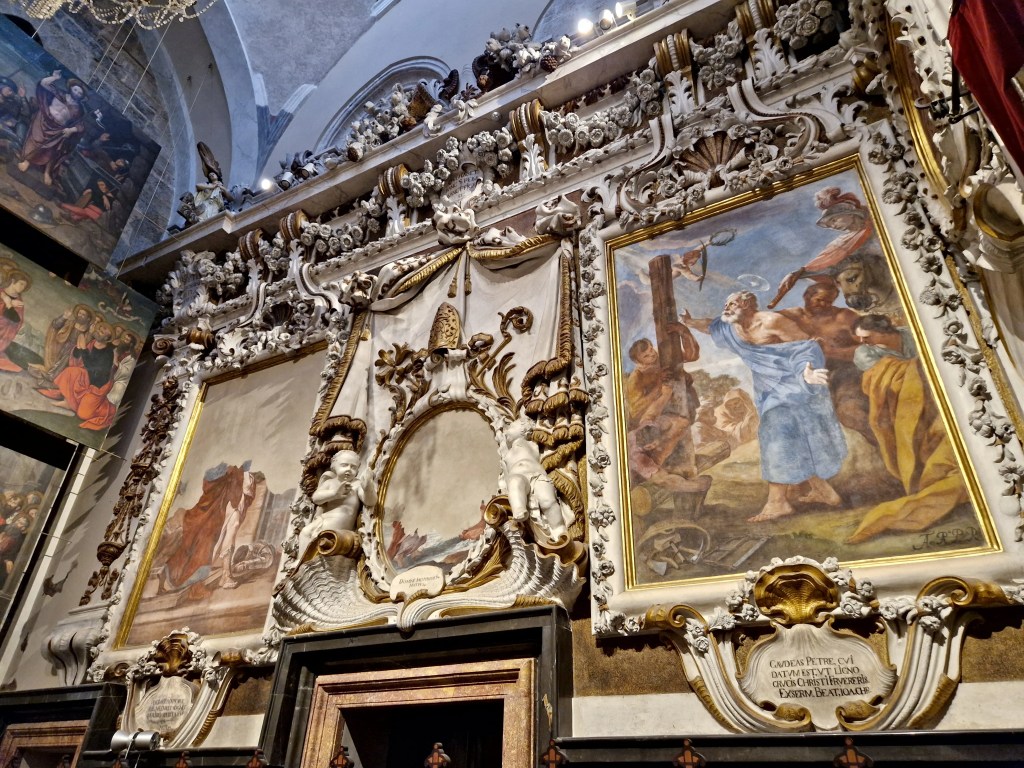
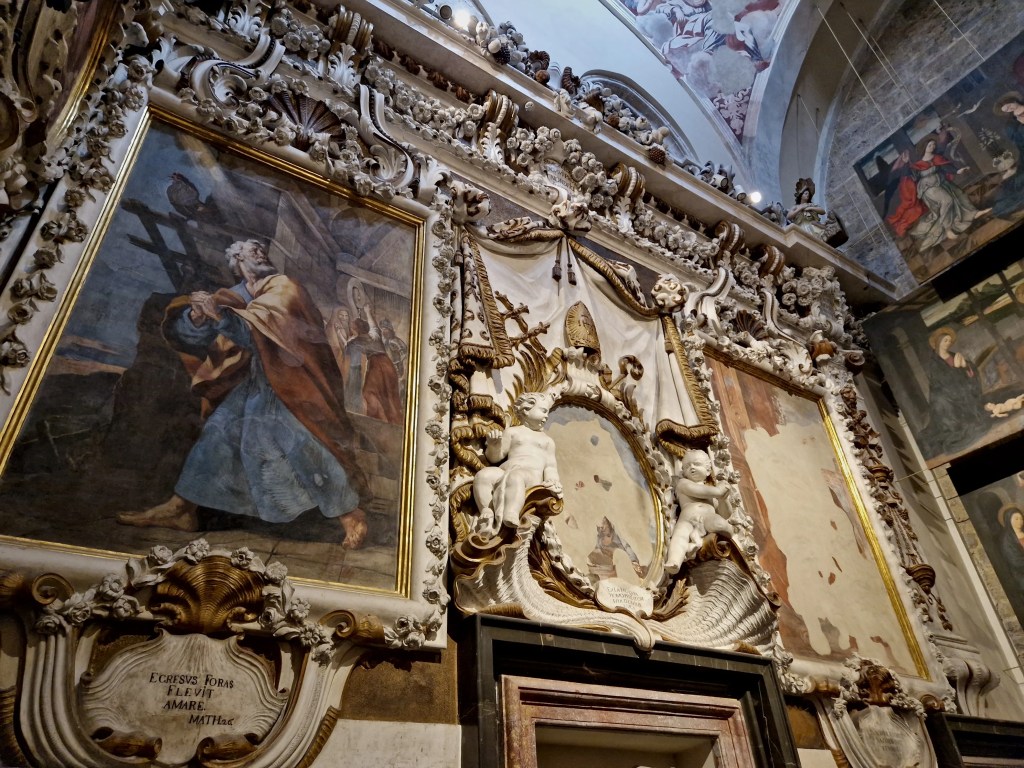

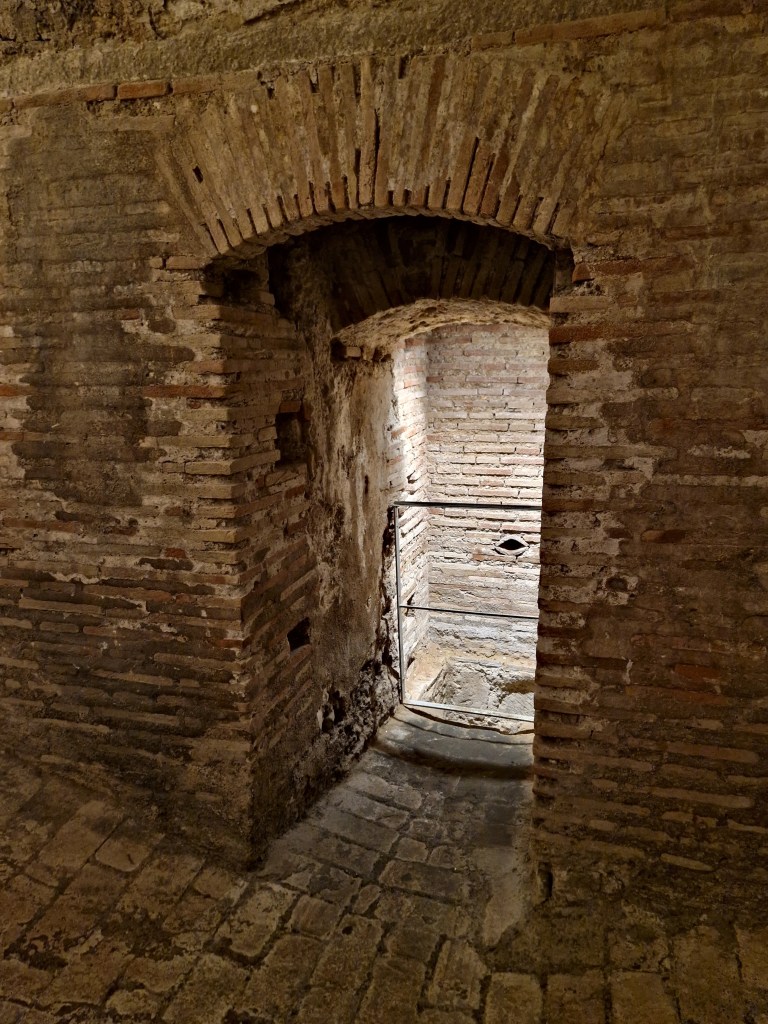
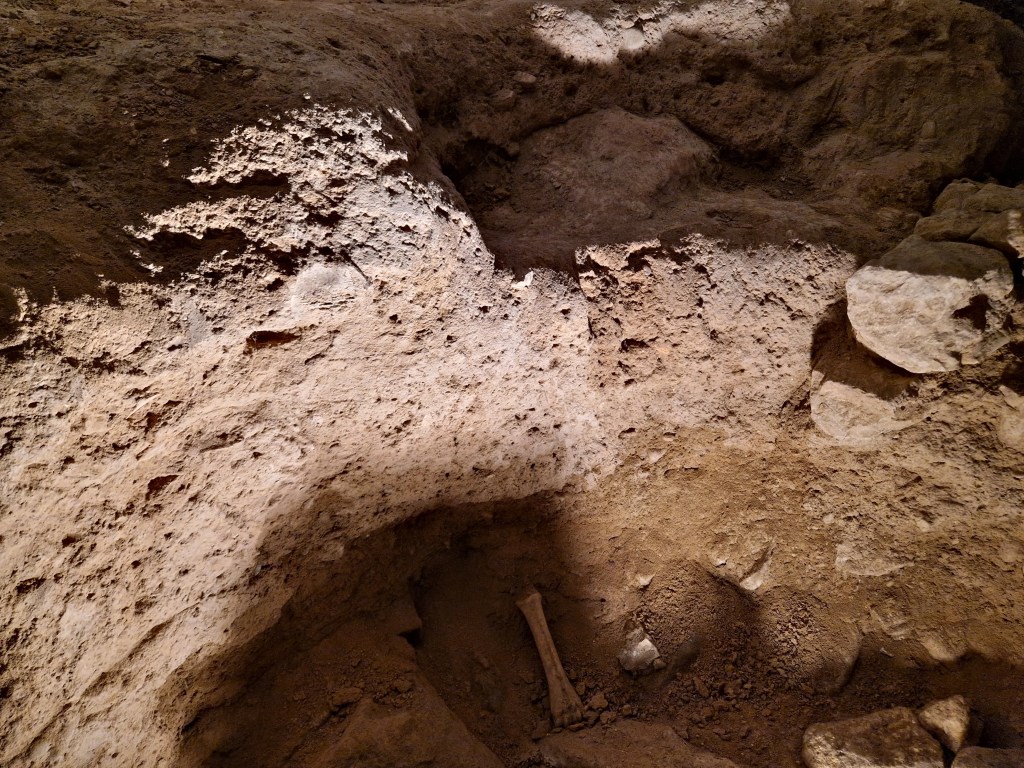


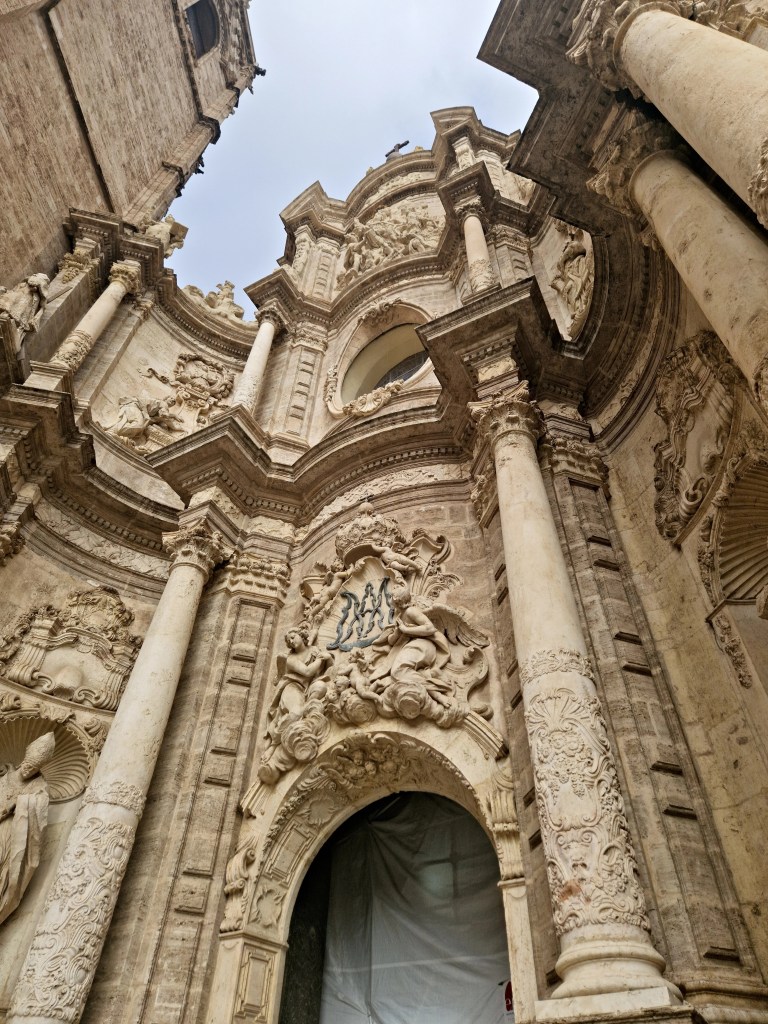
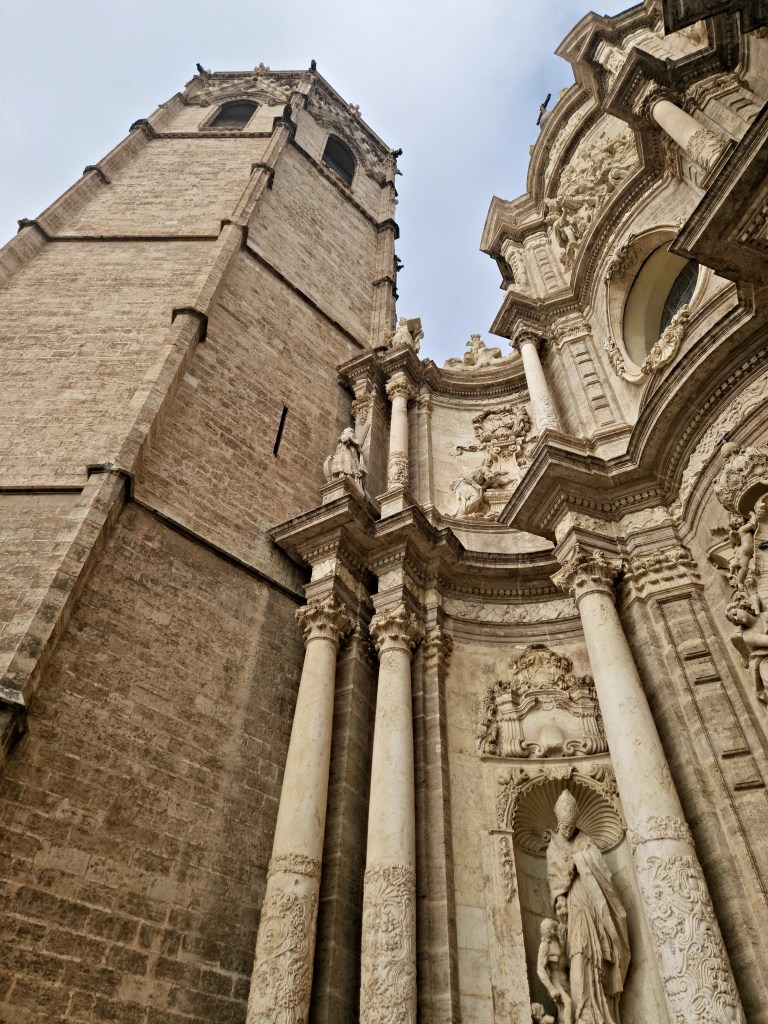
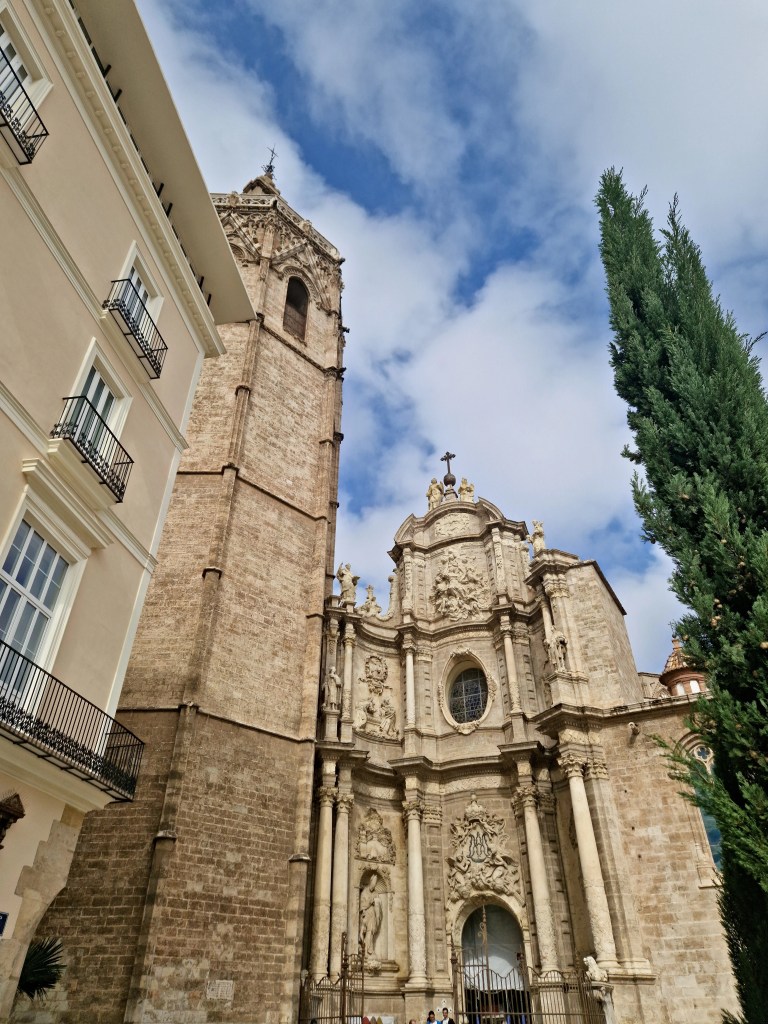
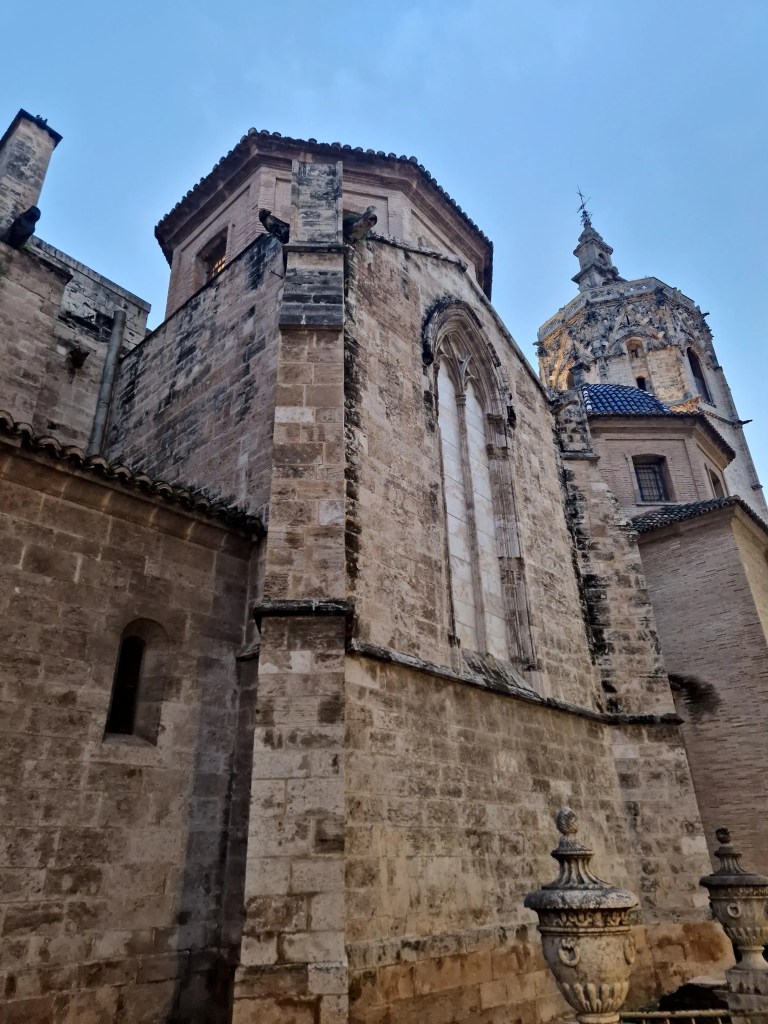

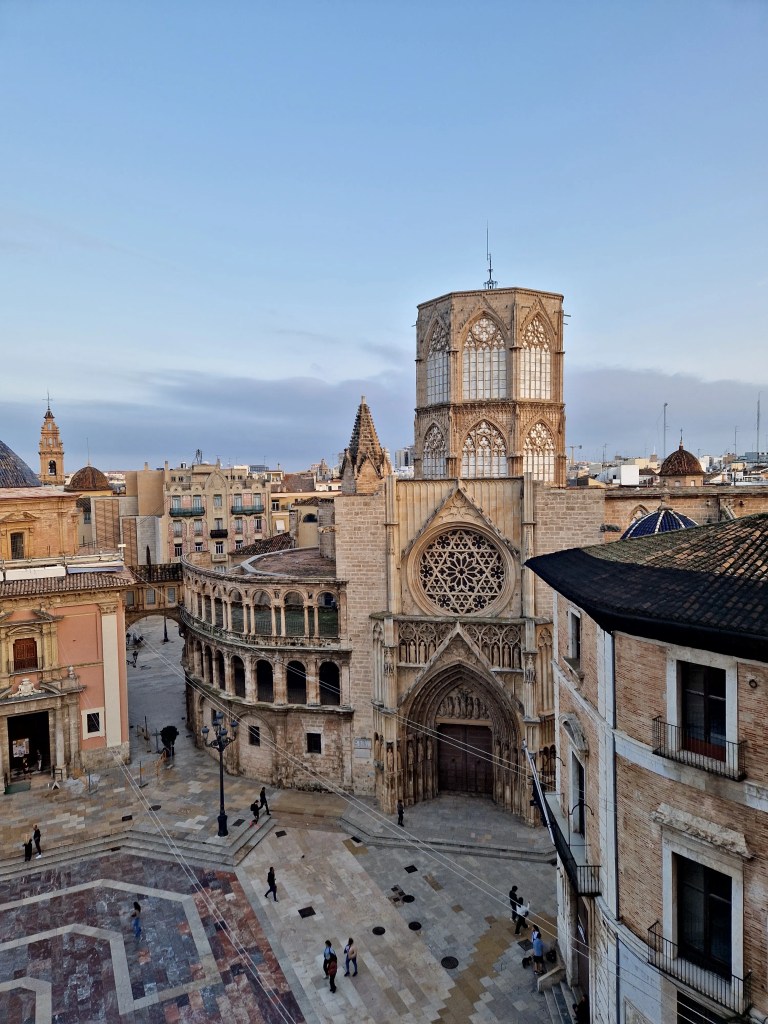
St Mary’s Cathedral in Valencia, also known as El Miguelete (Little Michael) after its bell tower, dates to between the 13th to 15th centuries but its foundations go back much further. The site originally housed a Roman pagan temple that sat at the centre of an ancient forum as far back as the 2nd century BC, it was dedicated to either Diana or Jupiter. After the fall of the Roman Empire in the 6th century the site was taken over by the Visigoths who built a cathedral on the temple ruins. Subsequently in the early 8th century the Moors took Valencia and the earlier cathedral was converted into the city’s main mosque, known as the Great Mosque of Balansiya. The mosque stood for over five centuries until 1238 when King James I of Aragon captured the city and consecrated the Great Mosque to the Virgin Mary. The oldest part of the cathedral, the Romanesque Palau gate dates to this time. In 1262 the Bishop of Valencia Andreu d’Albalat ordered the demolition of the mosque and the building of a new gothic cathedral. At this time the layout was rotated to align with the Christian tradition of the alter at the eastern end rather than facing Mecca. Building continued through the 14th century with the construction of the beautifully Gothic Apostles’ Gate, this gate was the place where the Water Tribunal (Tribunal de las Aguas) was, and is, still held. This tradition dates back to Muslim rule, around 960, when a court was held weekly in relation to irrigation disputes between farmers. This court is still held every Wednesday at midday and is recognised as the oldest active judicial institution in Europe and is listed as an UNESCO Intangible Cultural Heritage Site.
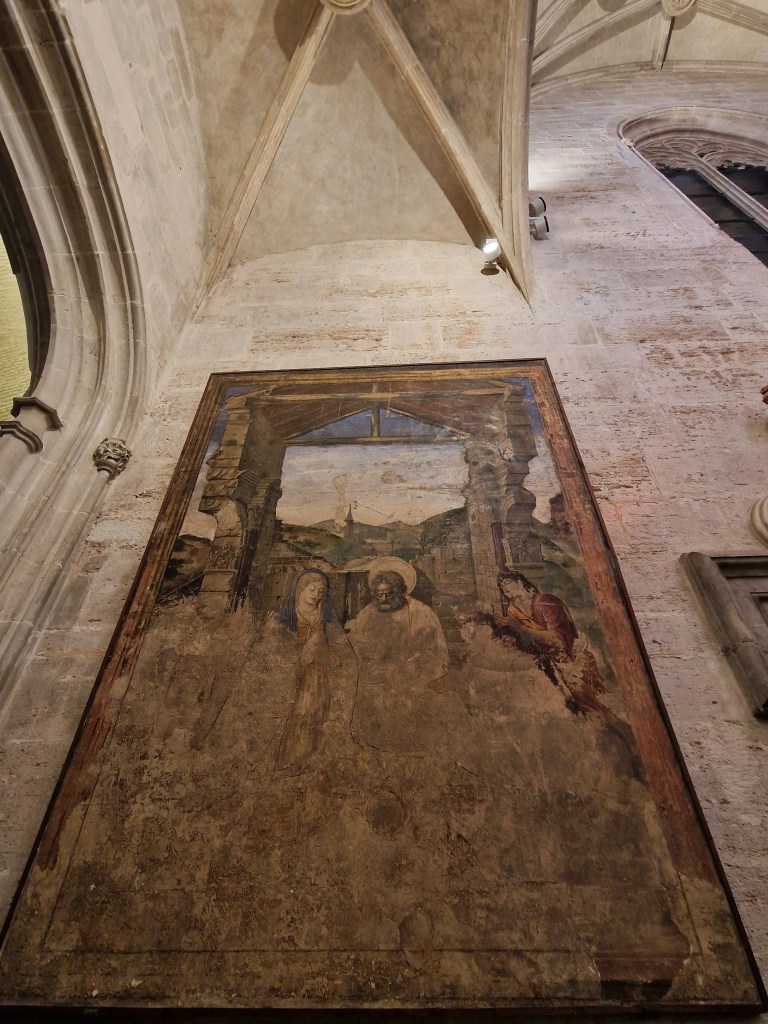
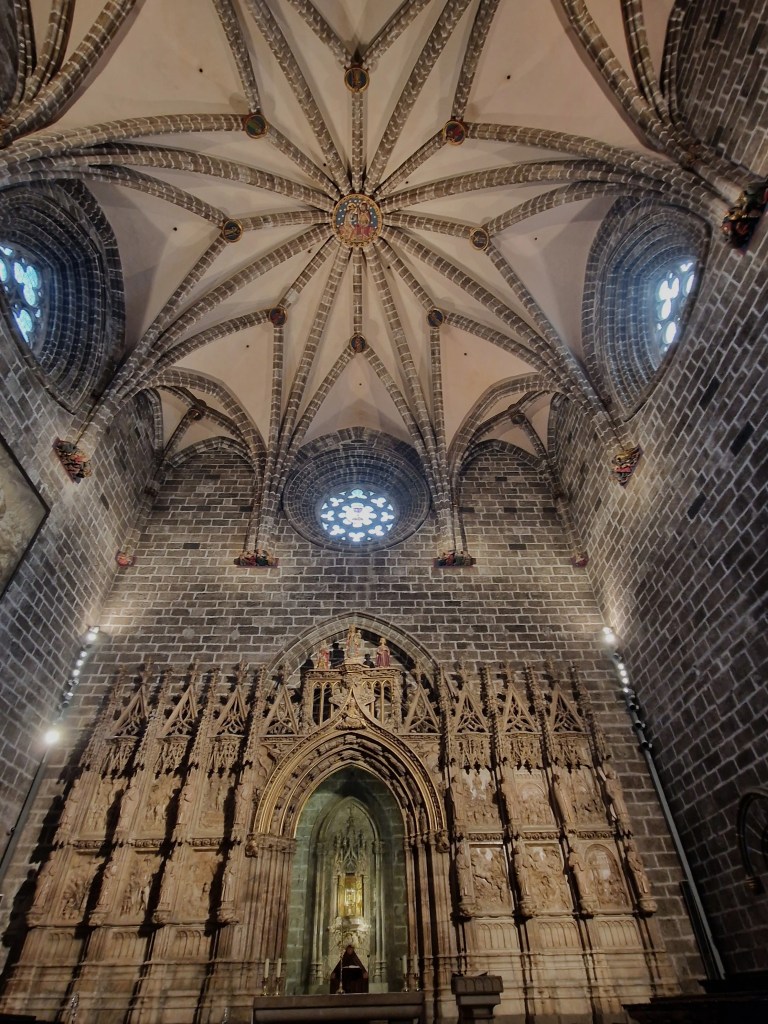
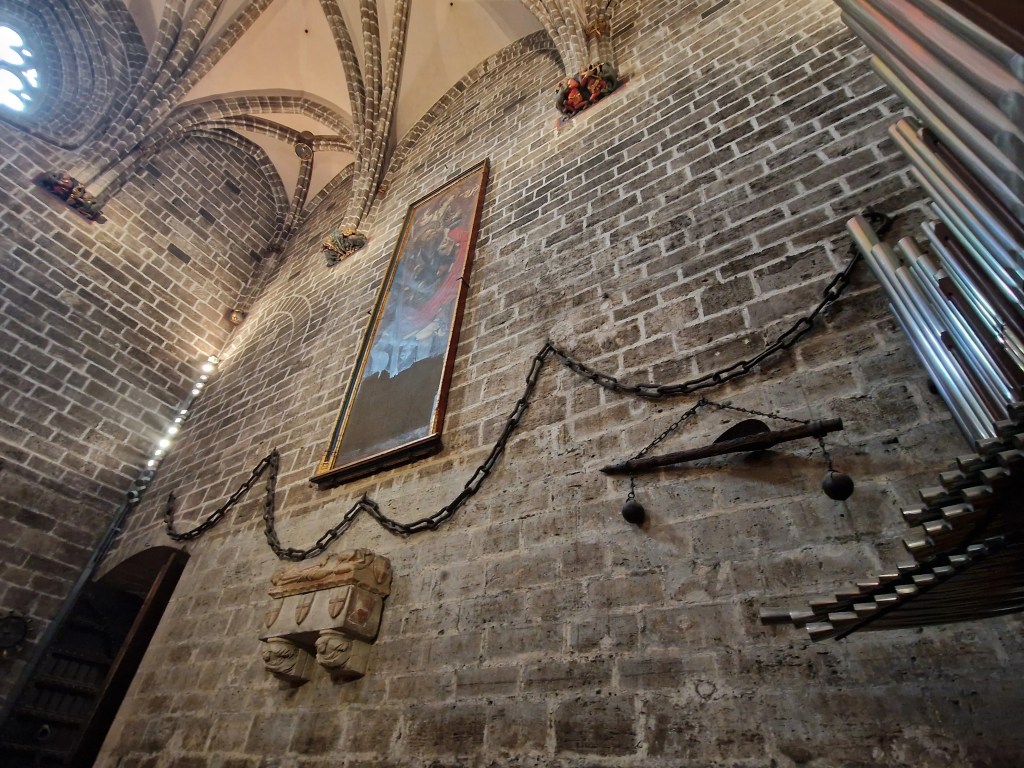
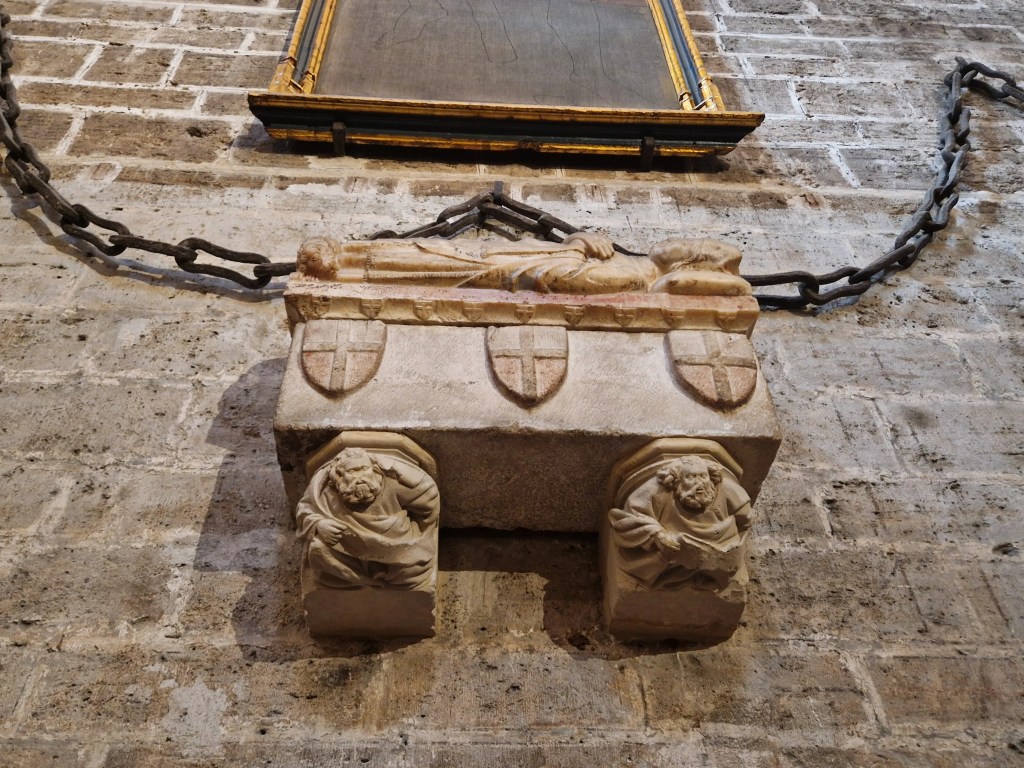
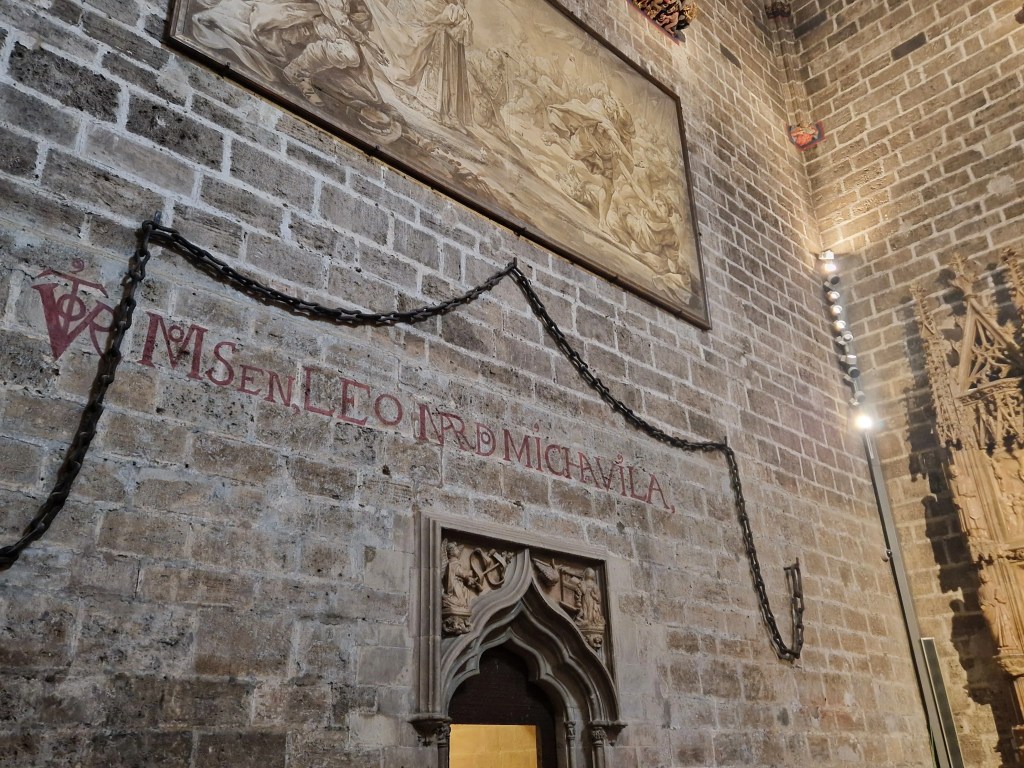
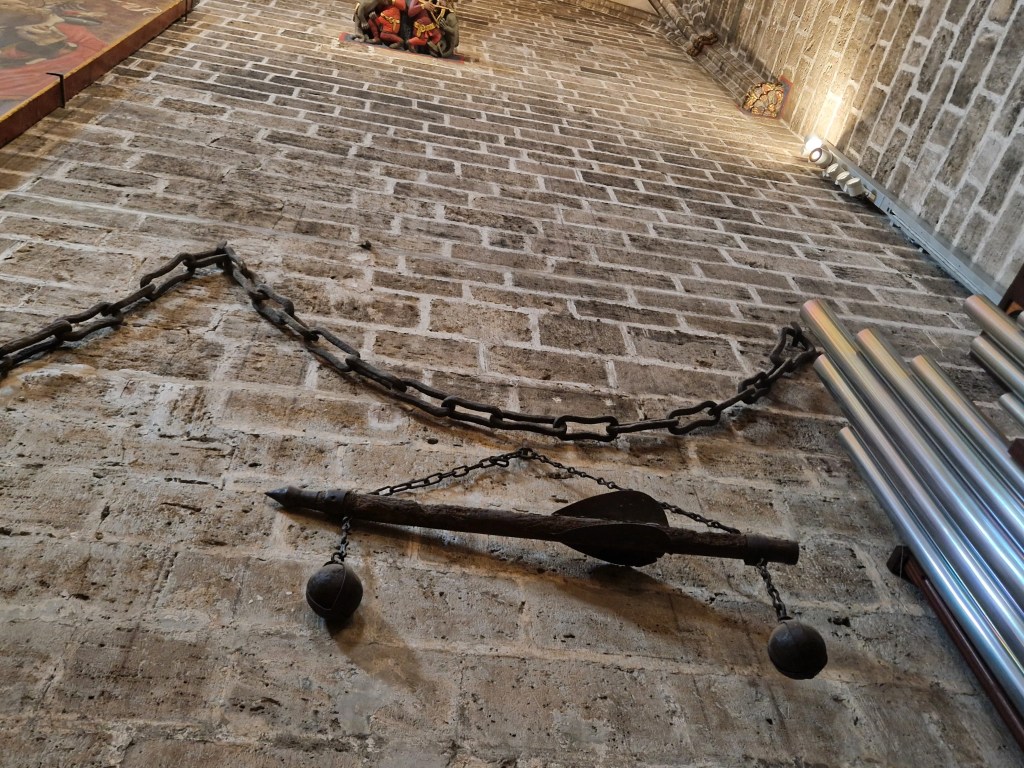
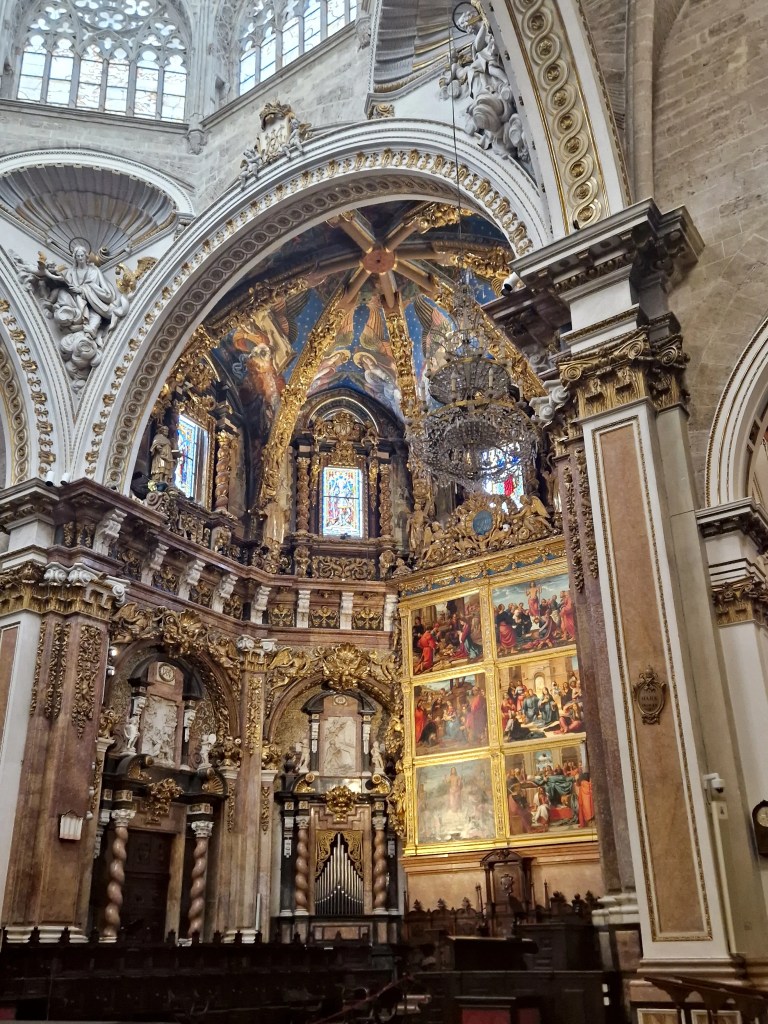
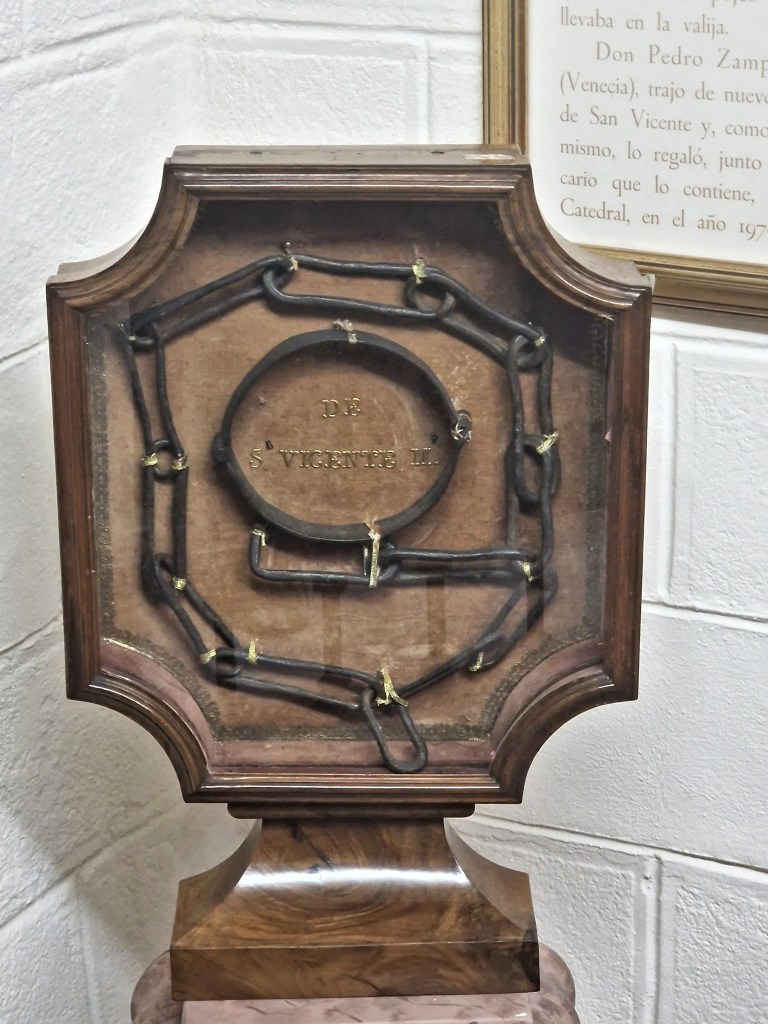
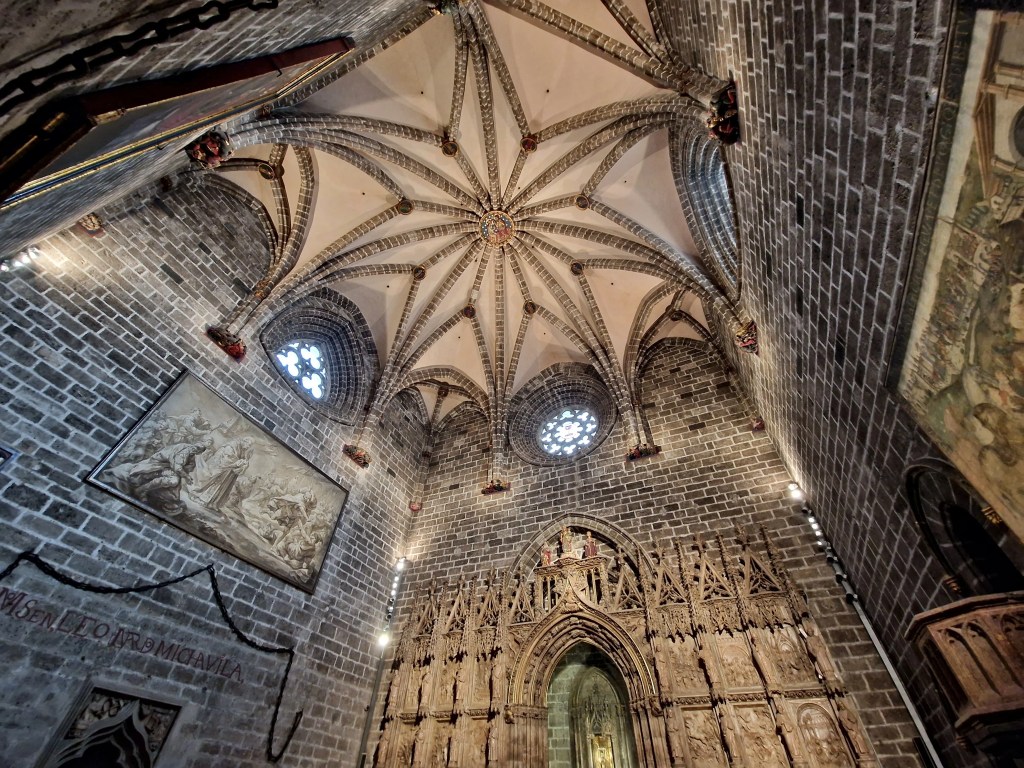
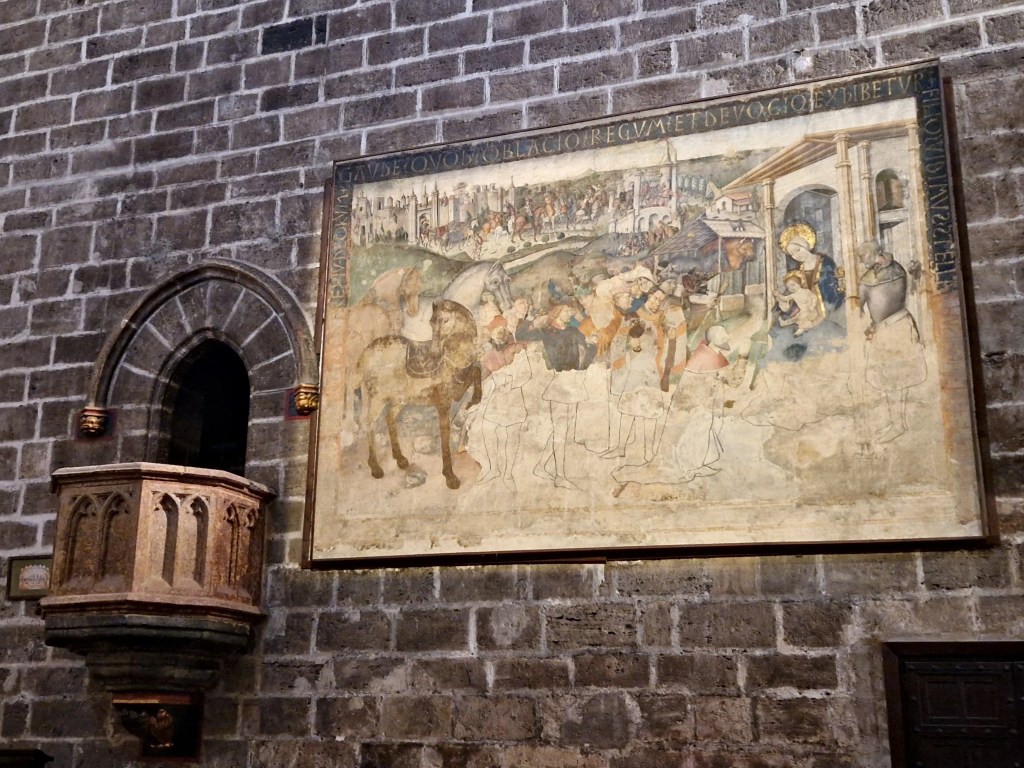
The latter part of the 14th century so the construction of the Chapter House (1356) and the bell tower (1381). Two of the most iconic items within the cathedral date to the early 15th century when the King Alfonso the Magnanimous donated the captured harbour chains from when he took Marseille, they are now impressively attached to the walls of the Chapel of the Holy Chalice. He followed this donation by and ever more spectacular donation in 1436 of a 1st century agate cup that was venerated as the holy grail. The cathedral continued to go from strength to strength as the power of Valencia’s most famous dynasty, the Borgias, grew. In the late 15th century Cardinal Rodrigo de Borja, later Pope Alexander VI, hired two Italian artists to paint the beautiful renaissance frescos of musical angles above the high altar, those being Francesco Pagano and Paolo de San Leocadio. Extensive work occurred again in the 18th century when the cathedral got a Baroque style renovation, including the beautiful Irons Gate (1703) and a new Baroque vault. Interestingly it wasn’t until restoration in 2004 when the workers removed the Baroque vault and revealed the 500-year-old Renaissance frescos that had been hidden behind it! Valencia Cathedral is a truly fantastic structure, with layer upon layer of history, a must see when visiting the City of Arts and Sciences.
GPS: 39.4753, -0.37538