
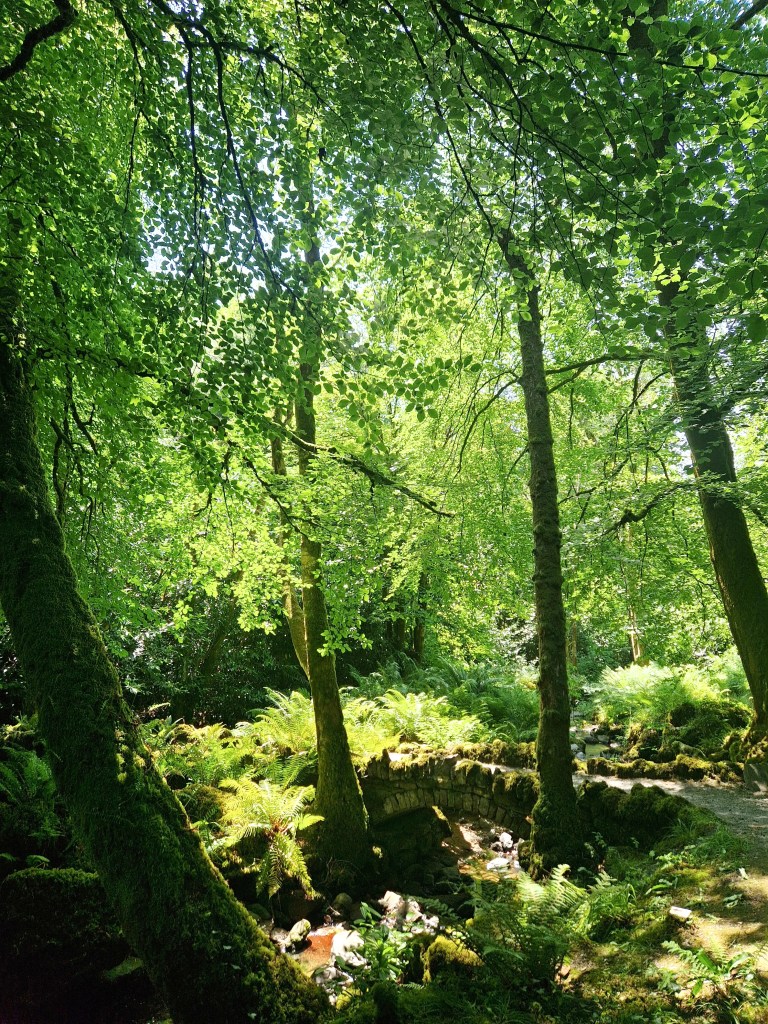


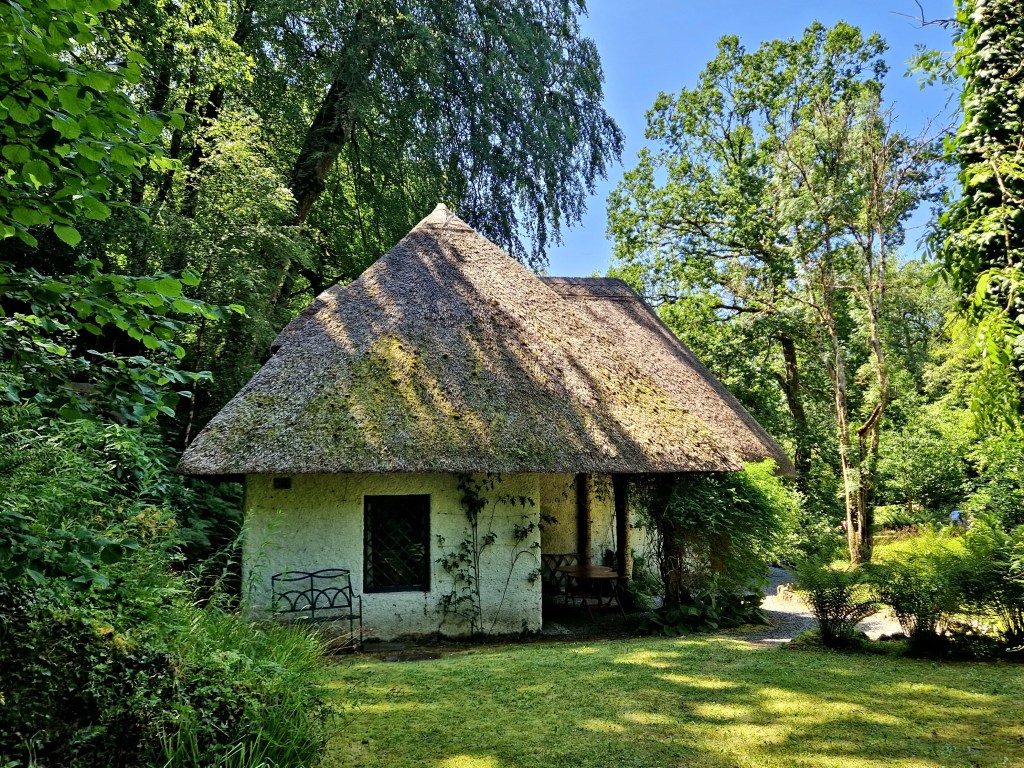






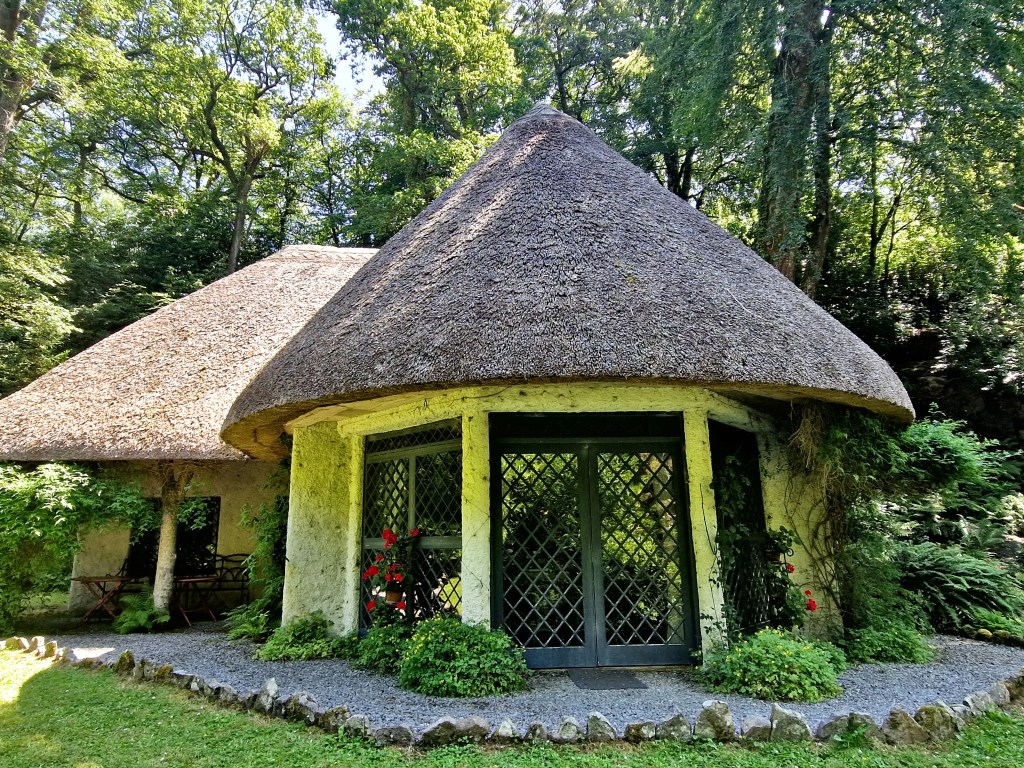




I have always had a fondness for the Cottage Orné since visiting the Swiss Cottage in Tipperary as a child and was delighted to finally visit the absolutely beautiful example at Kilfane Glen in Kilkenny. The name cottage orné derives from the French for ‘decorated cottage’ and dates back to the late 18th and early 19th century Romantic movement. The area of the romantic gardens at Kilfane Glen is only around fifteen acres in size however its impressive layout and meandering pathways make it feel significantly bigger. The demesne of Kilfane House and the cottage were developed during the 1790s by the then landowners Sir John and Lady Harriet Power, they were the founders of the Kilkenny Theatre and were significant figures within the intellectual set at the time.
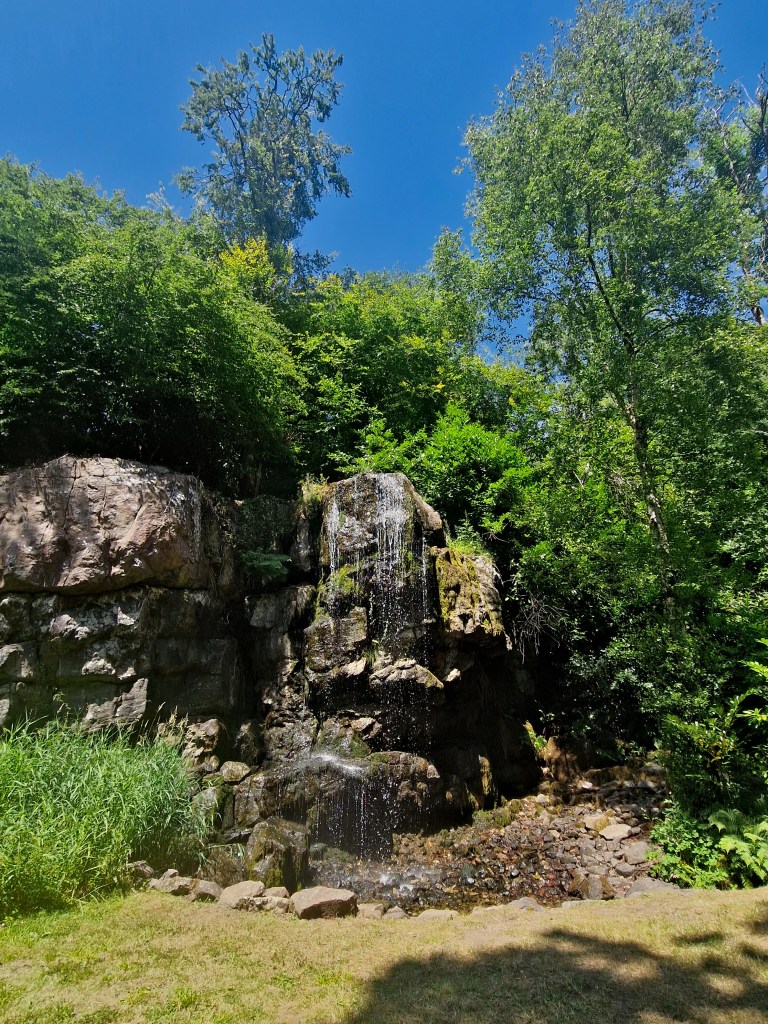
The landscape designer is unknown but he most certainly helped the Powers to attain a spectacular garden, the dramatic ravine and natural features, such as a stream running through the estate assisted greatly in the forming of a fantastic demesne. The glen where the cottage is situated is surrounded by rock faces of up to 18 metres in height and water was diverted from the stream into a small feeder canal where it travelled for a kilometre and a half before emerging over a cliff face, creating the waterfall that still stands today. The water from the pool at the base of the cliff then travels onwards and connects again to the stream.
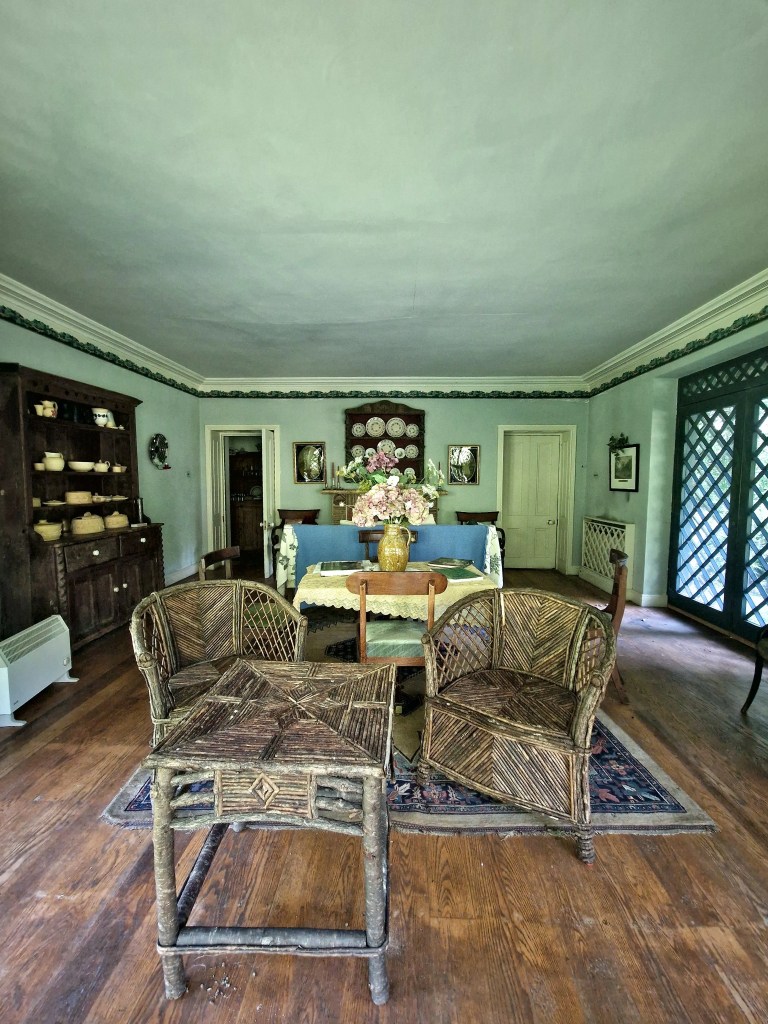
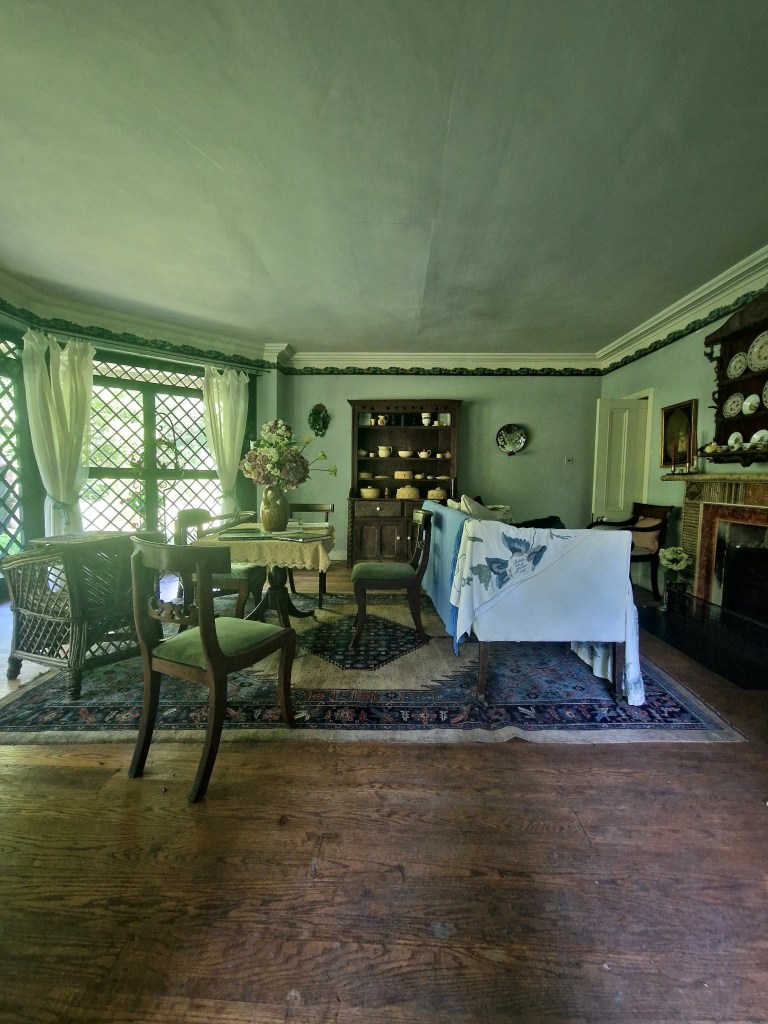
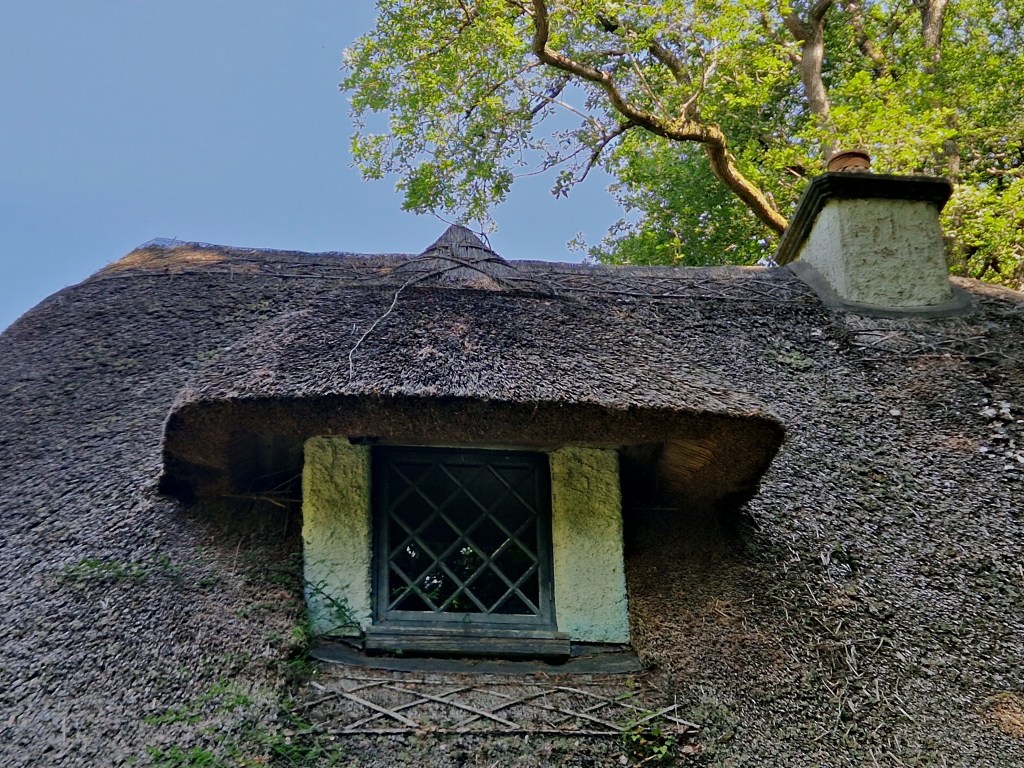
A few stepping stones that cross the stream near the base of the waterfall bring you to the wonderful cottage that served as a focal point for the Power’s visitors at the time. The cottage and surrounding glen were a place to entertain and relax. The death of both of the Powers in the 1840s and 1850s led to the glen becoming somewhat abandoned and rhododendron and laurel swamped the beautiful gardens, the stream to the waterfall also dried up. The roof of the cottage collapsed at some time in the late 19th century and would have been completely destroyed if it wasn’t for the work of renowned potter Nicholas Mosse and his wife Susan. The couple purchased the house and lands in the late 1980s and used earlier sketches to try and replicate the original thatch and leaded window panes. Its interiors were designed by Irish designer Sybil Connolly. The project received EU Cultural Commission Assistance and was fully restored in 1993. The gardens are open to the general public for July and August each year, and though the cottage itself is not open the grounds and surrounds are well worth the visit.
GPS: 52.54832, -7.09012