
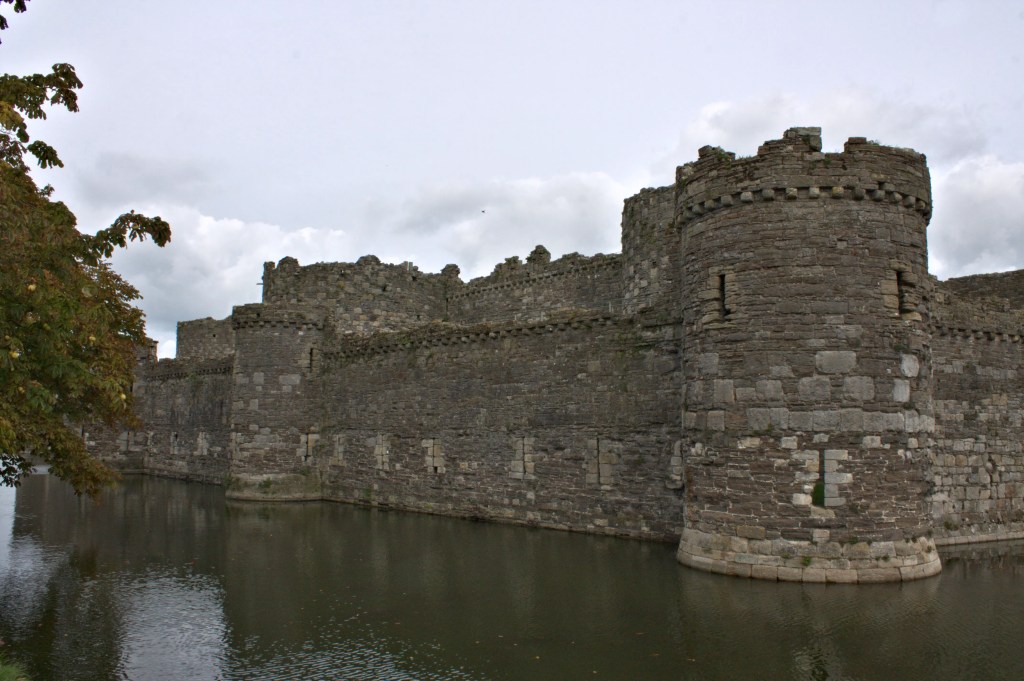

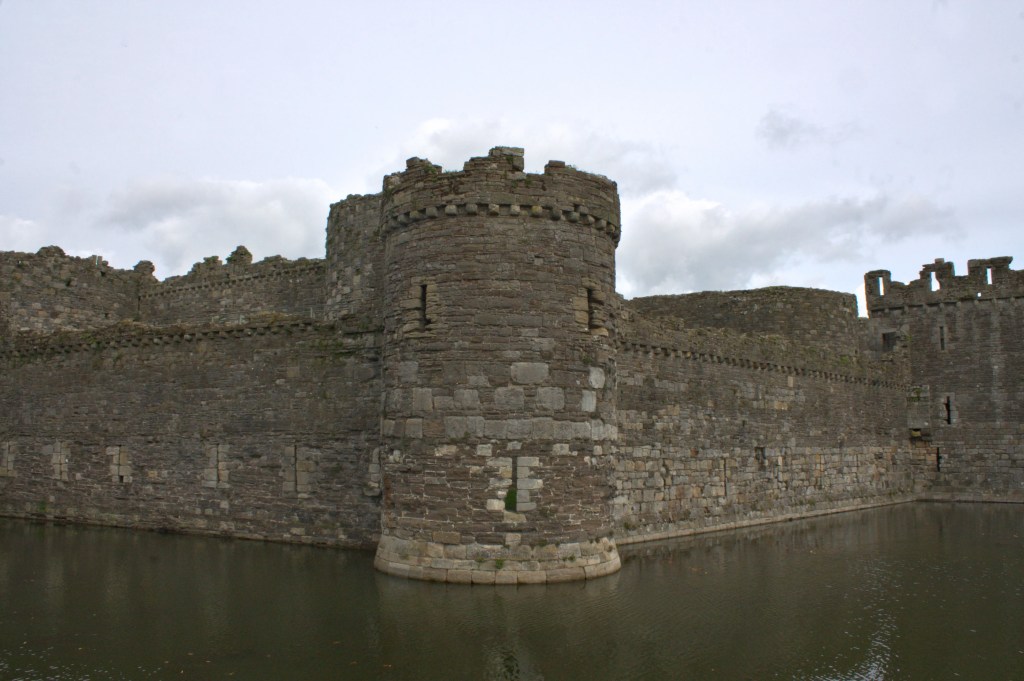
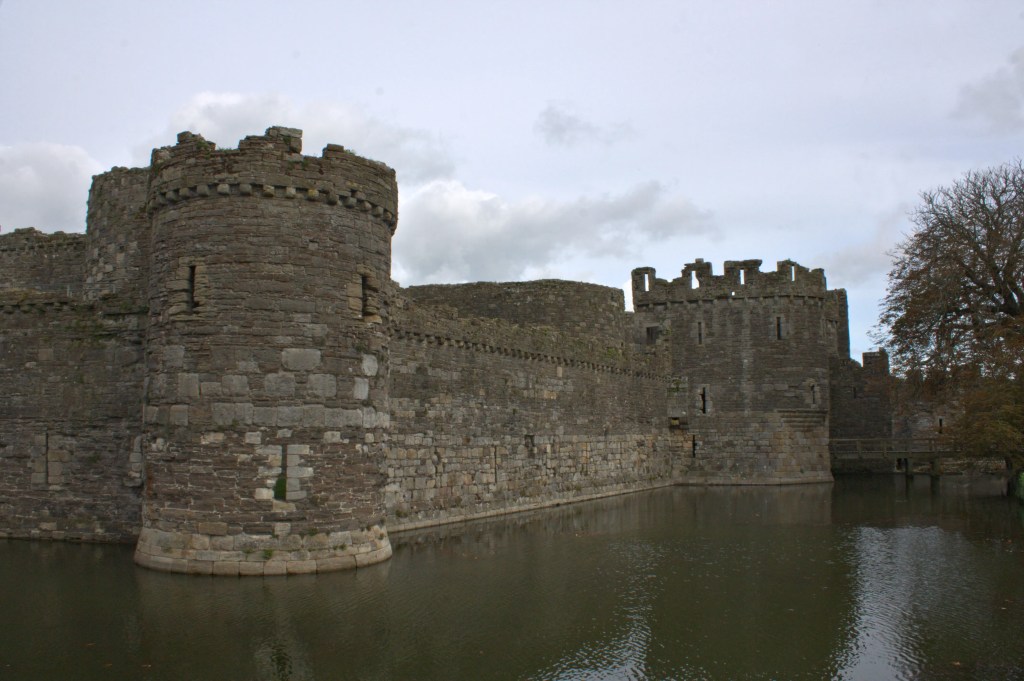
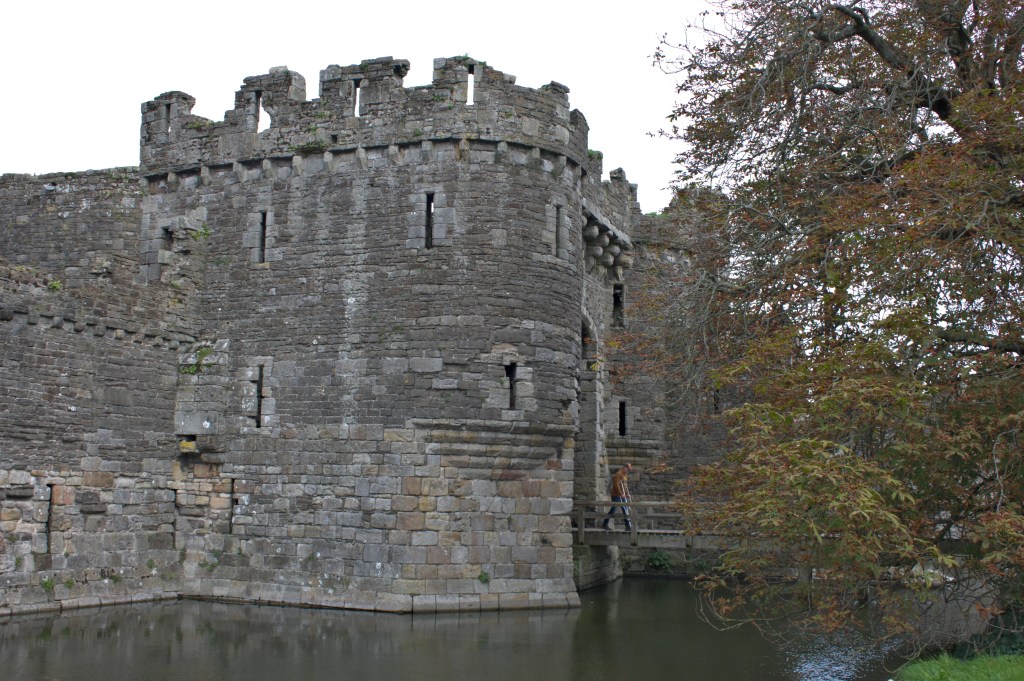

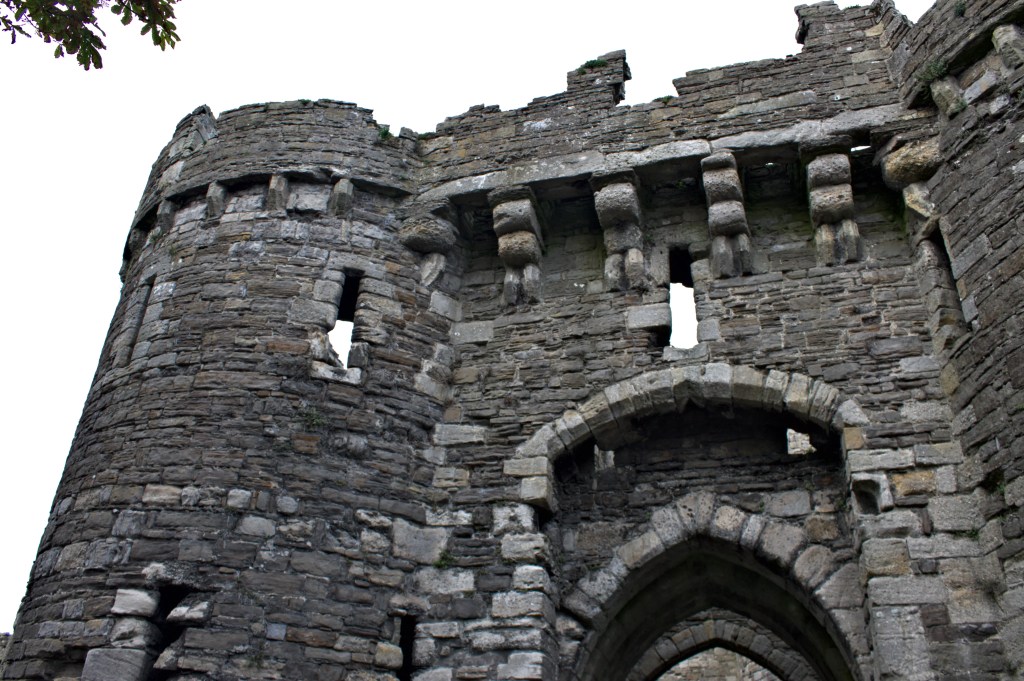
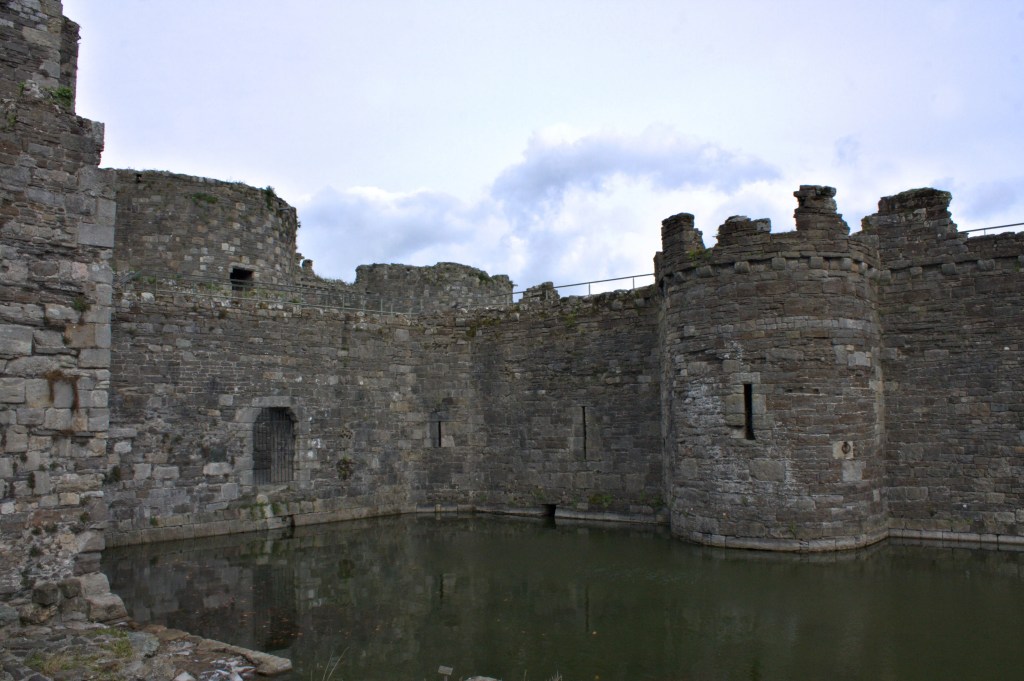

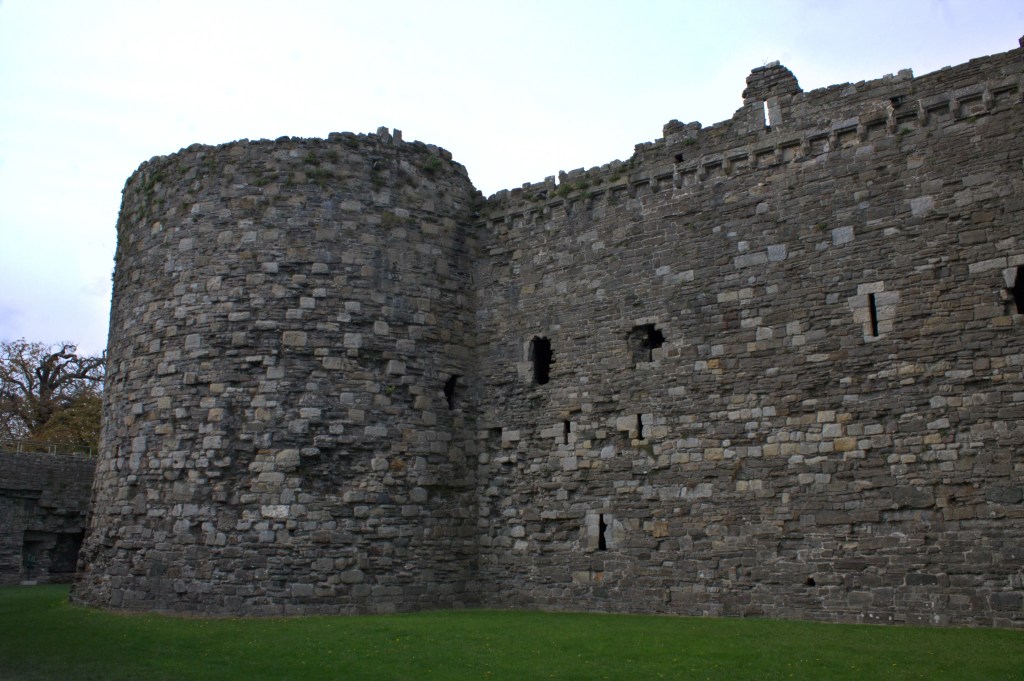
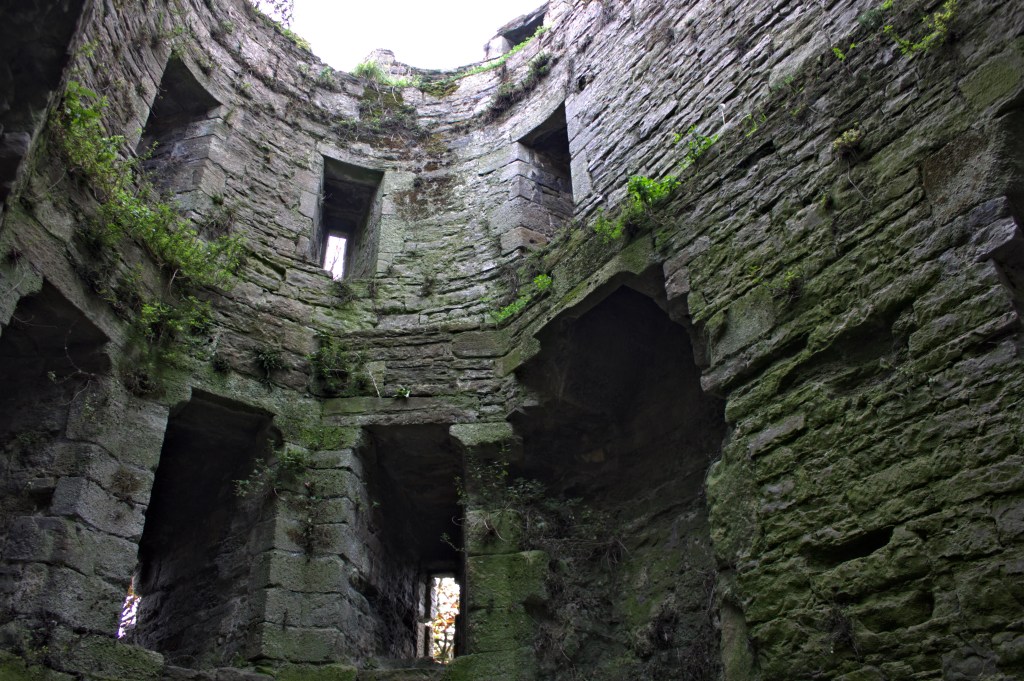

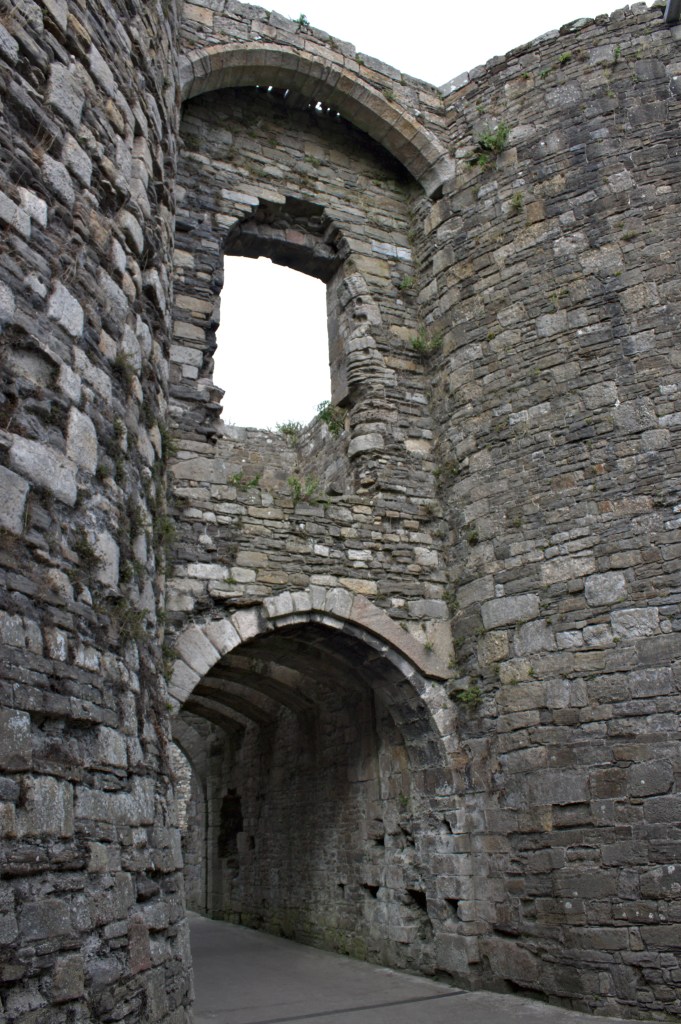
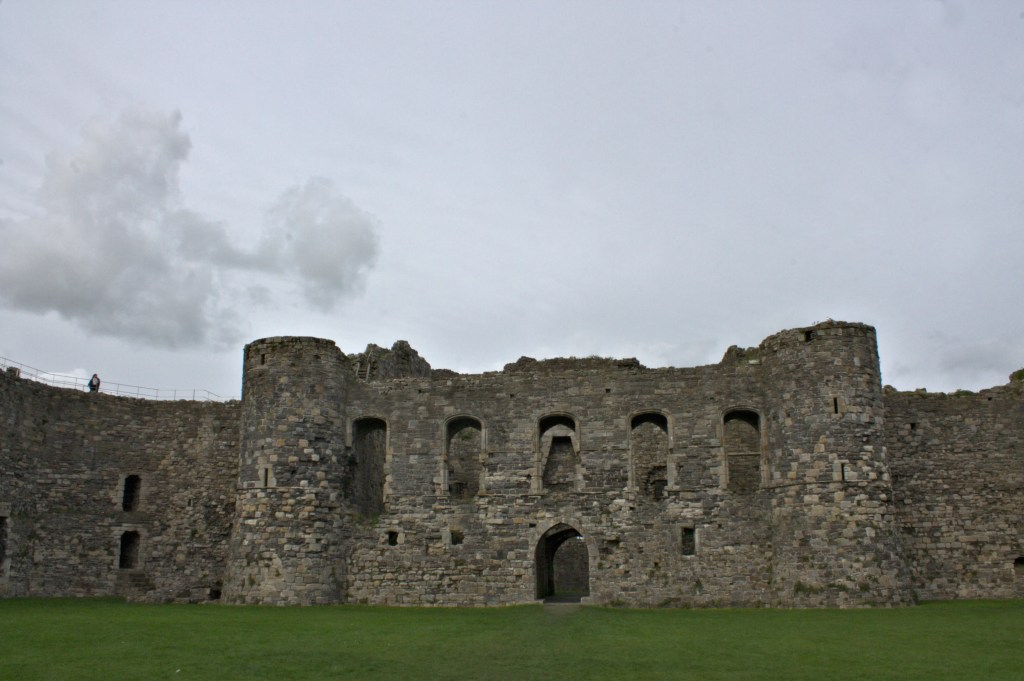
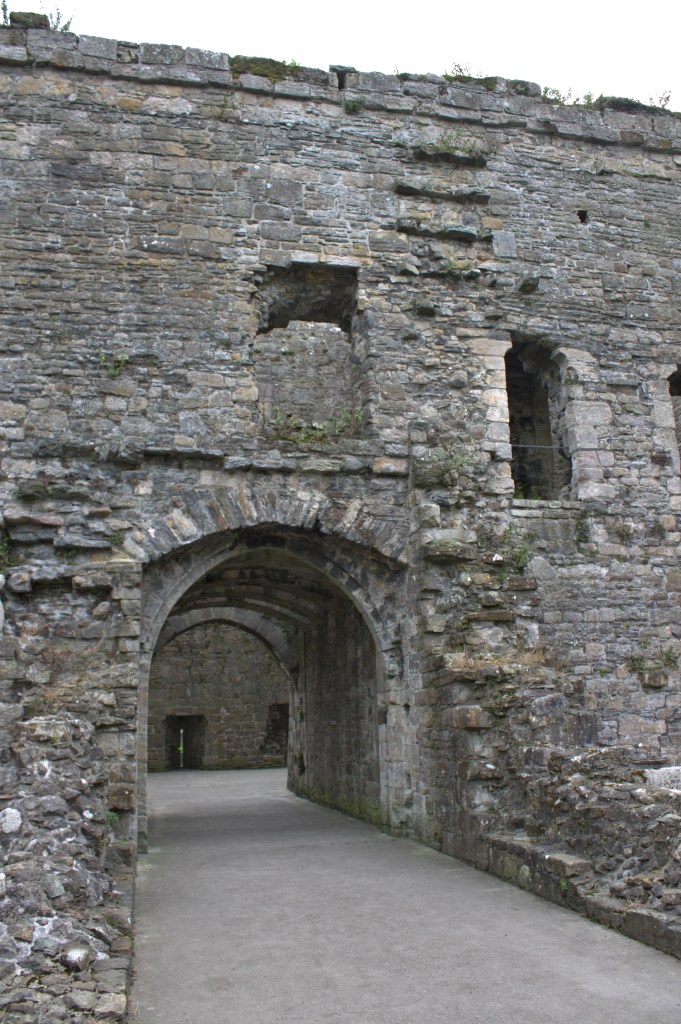


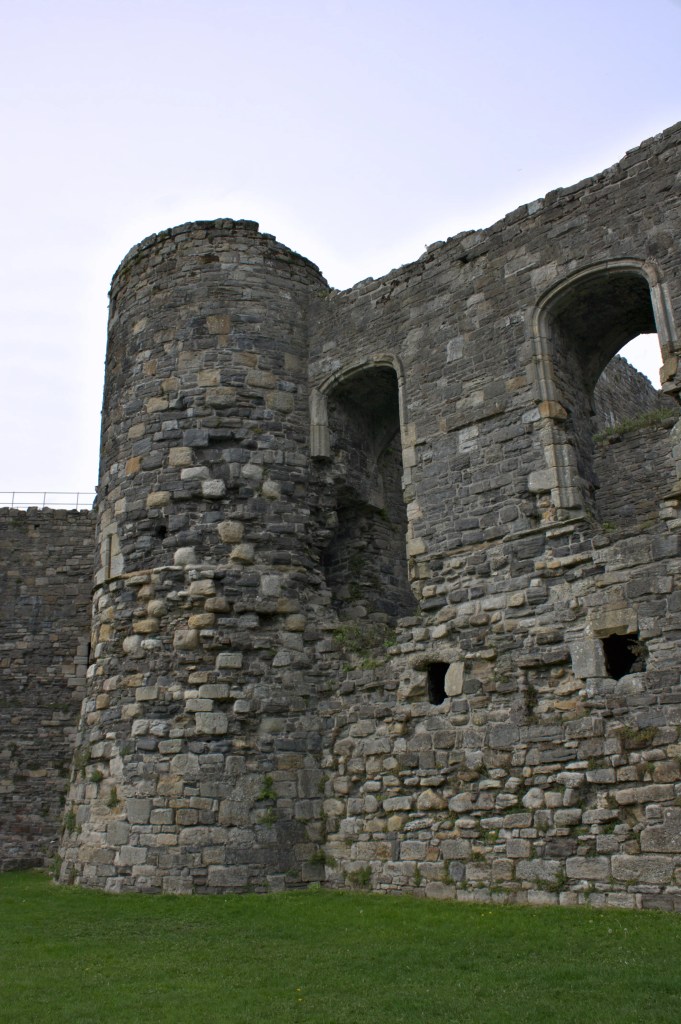

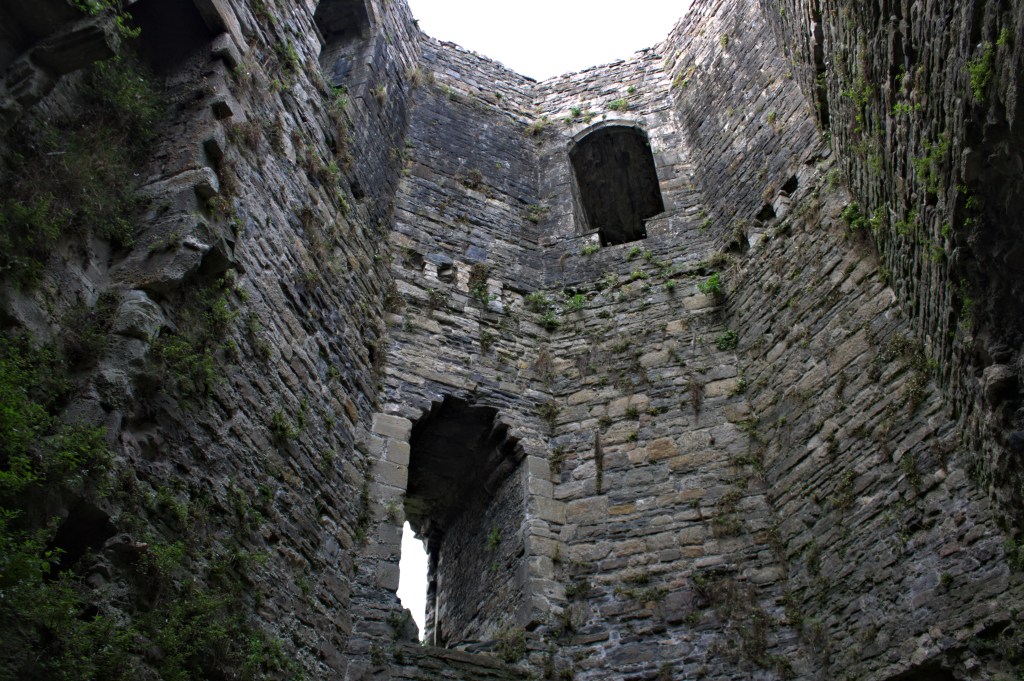
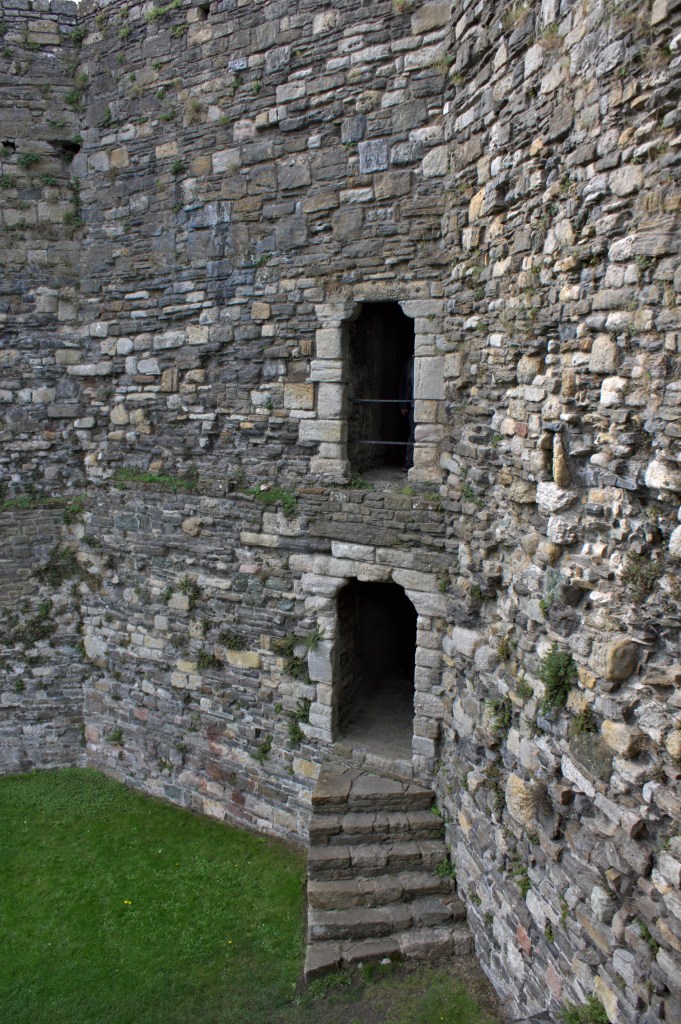
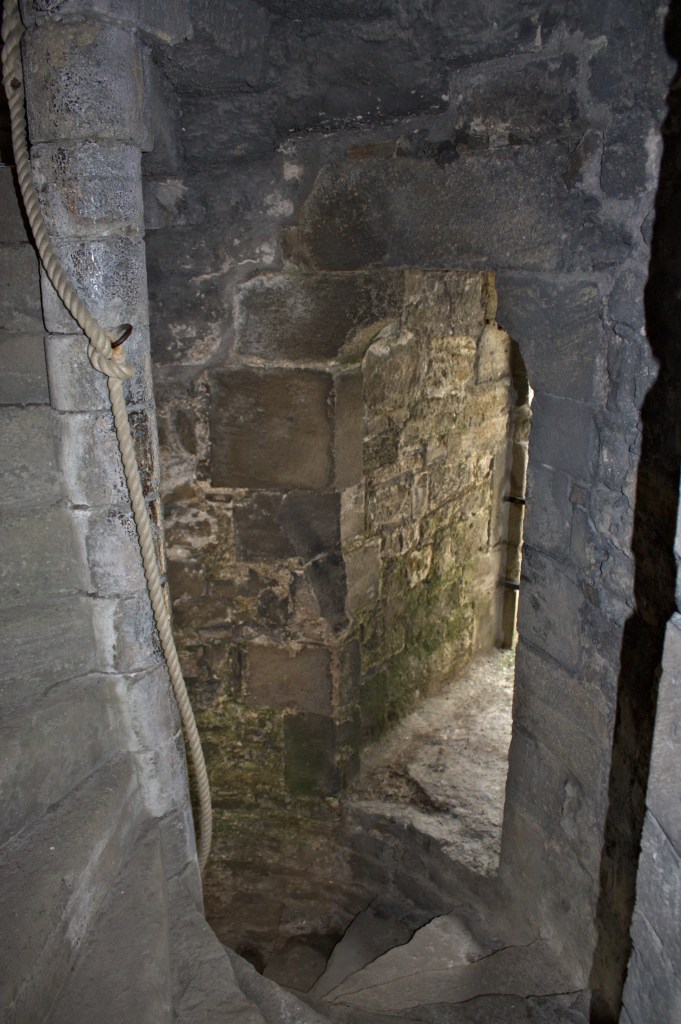
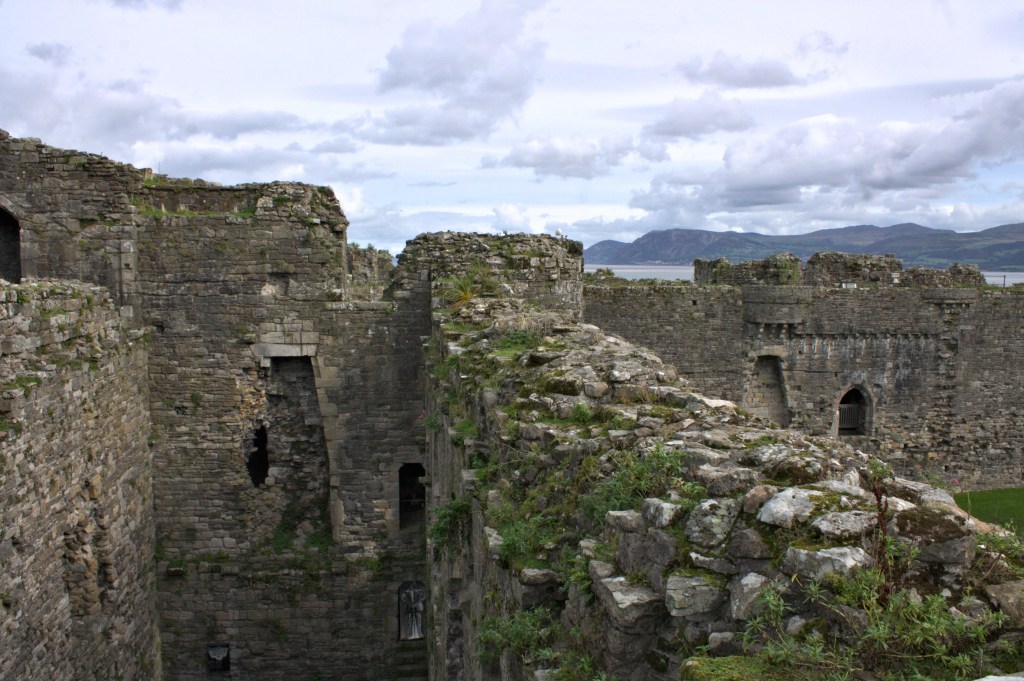
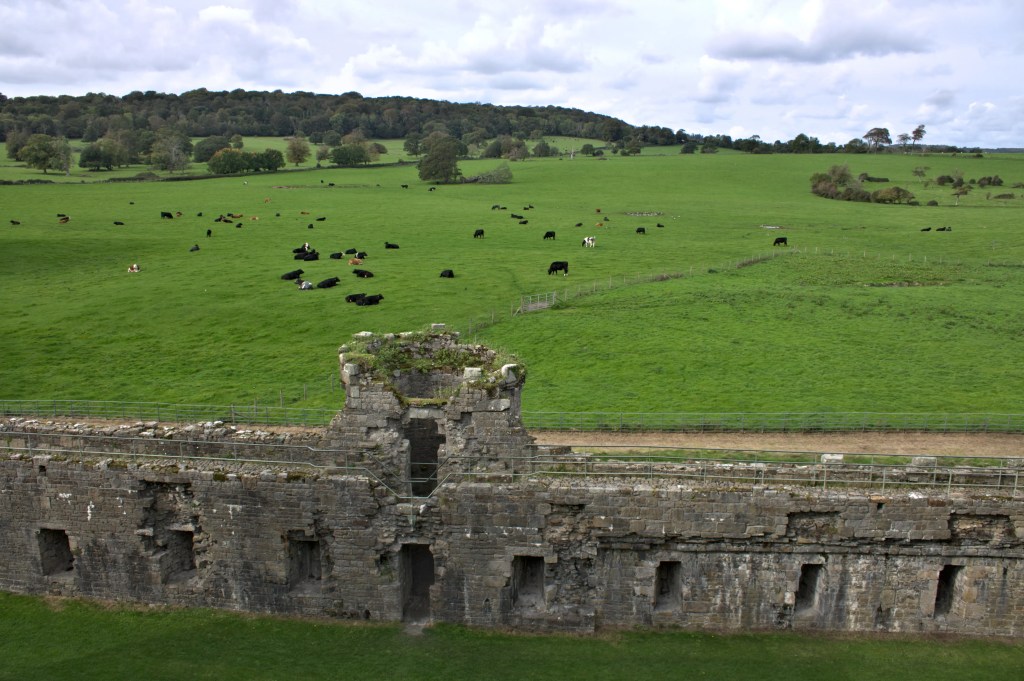
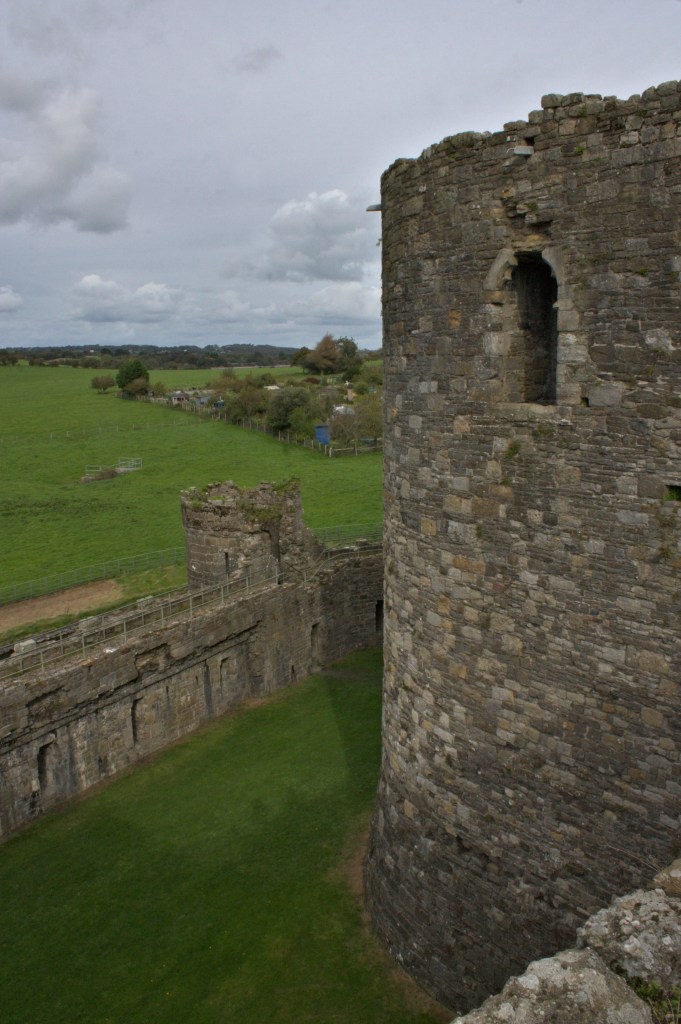
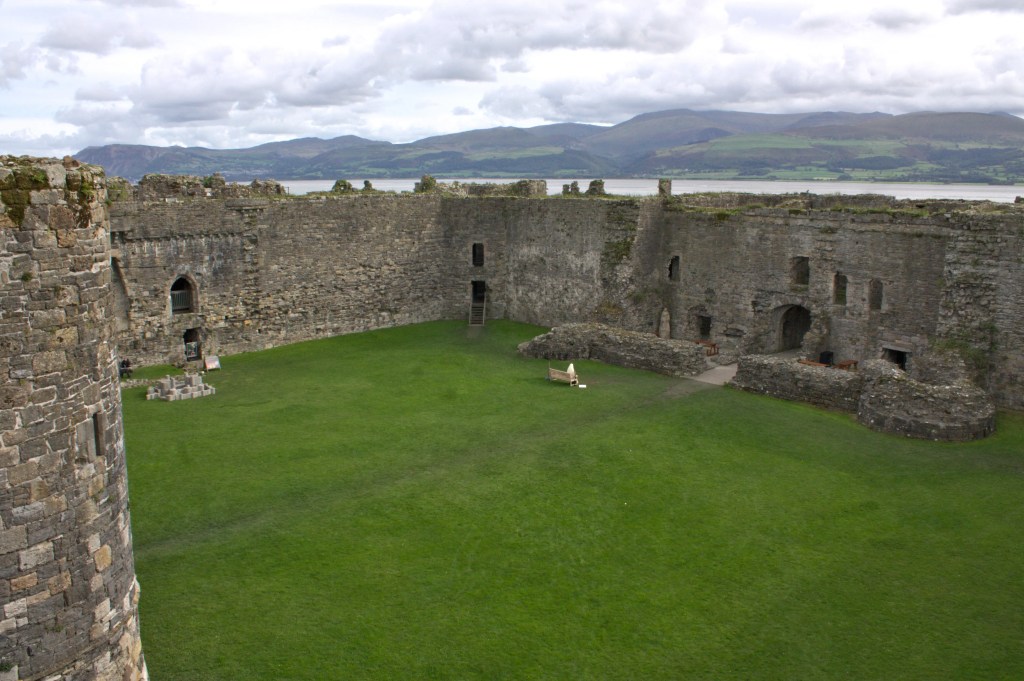
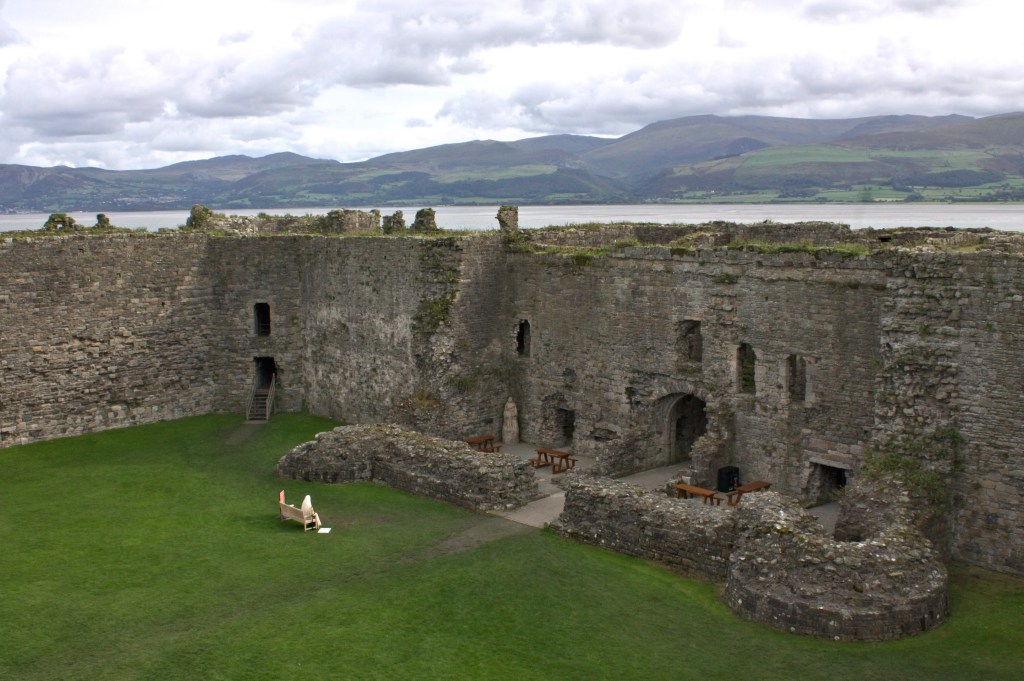
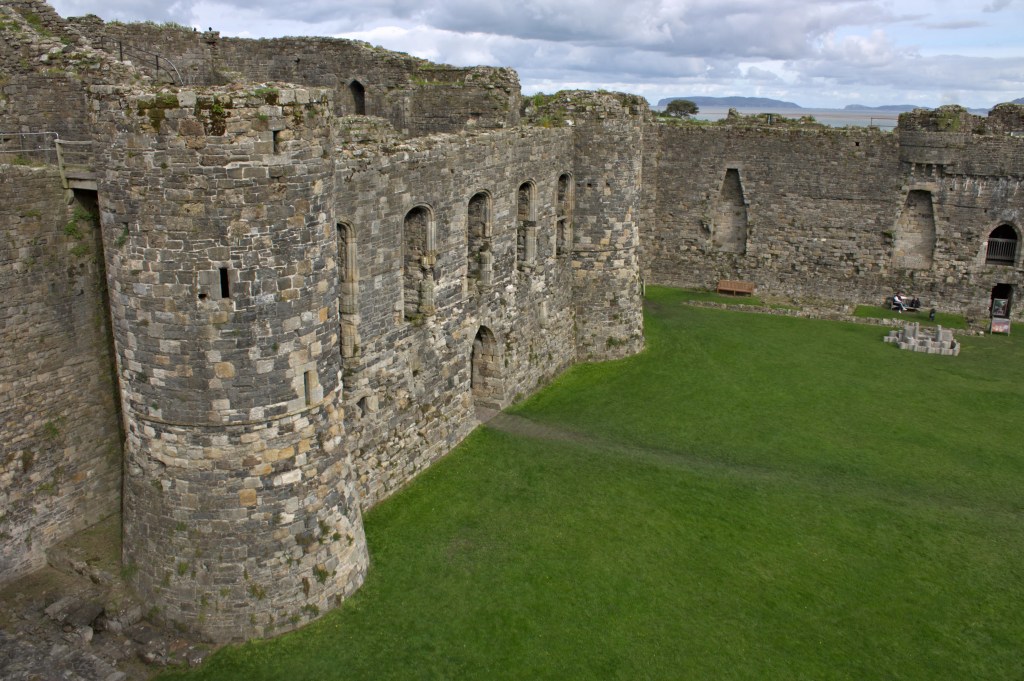
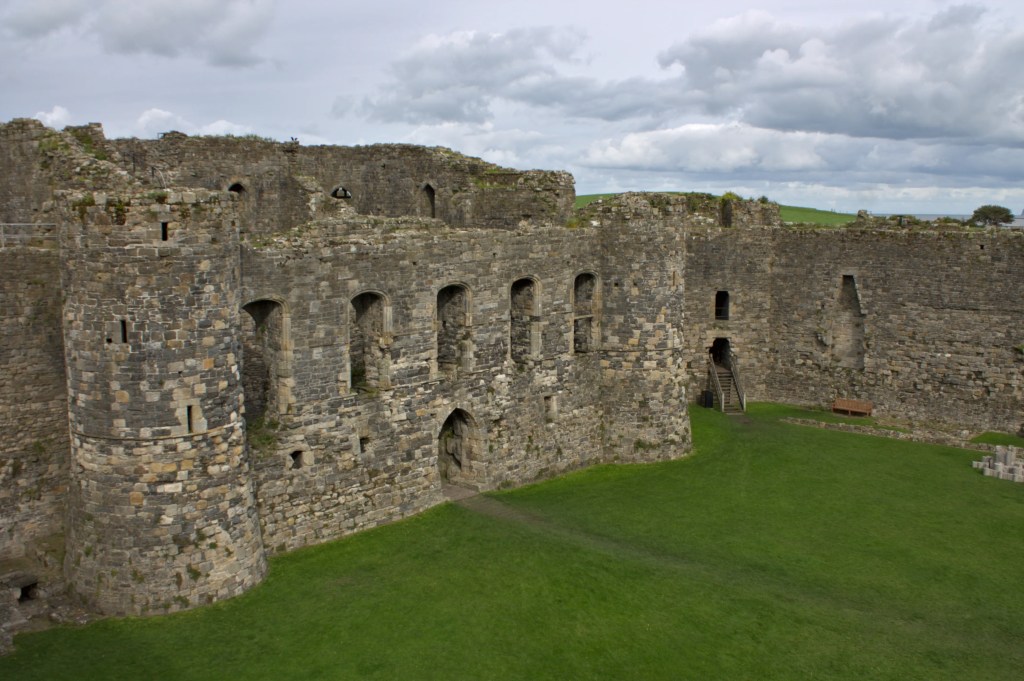


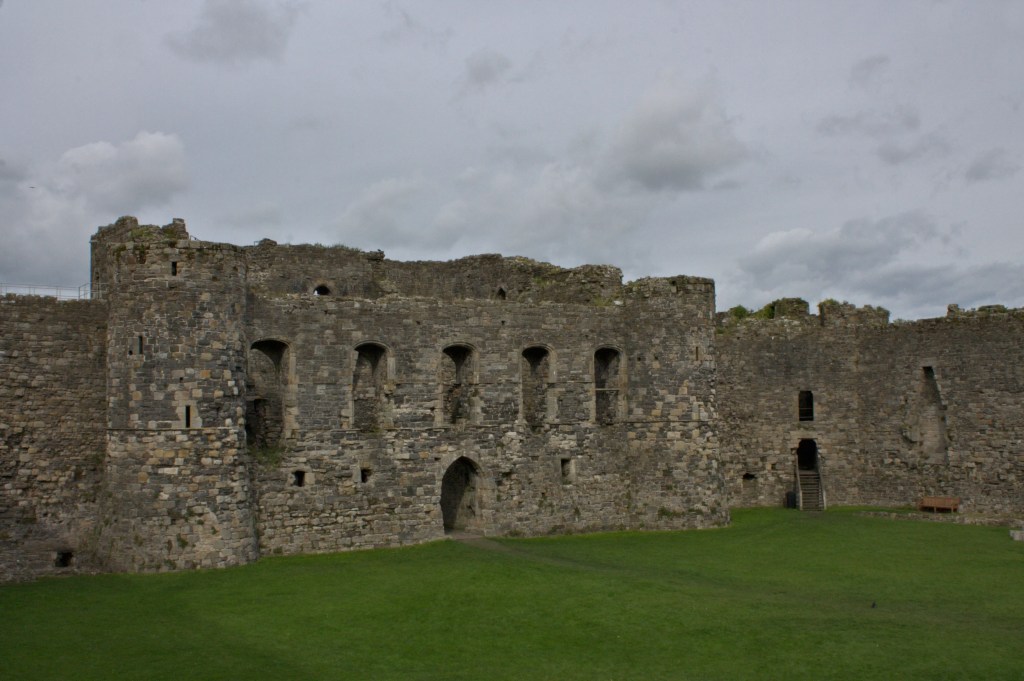
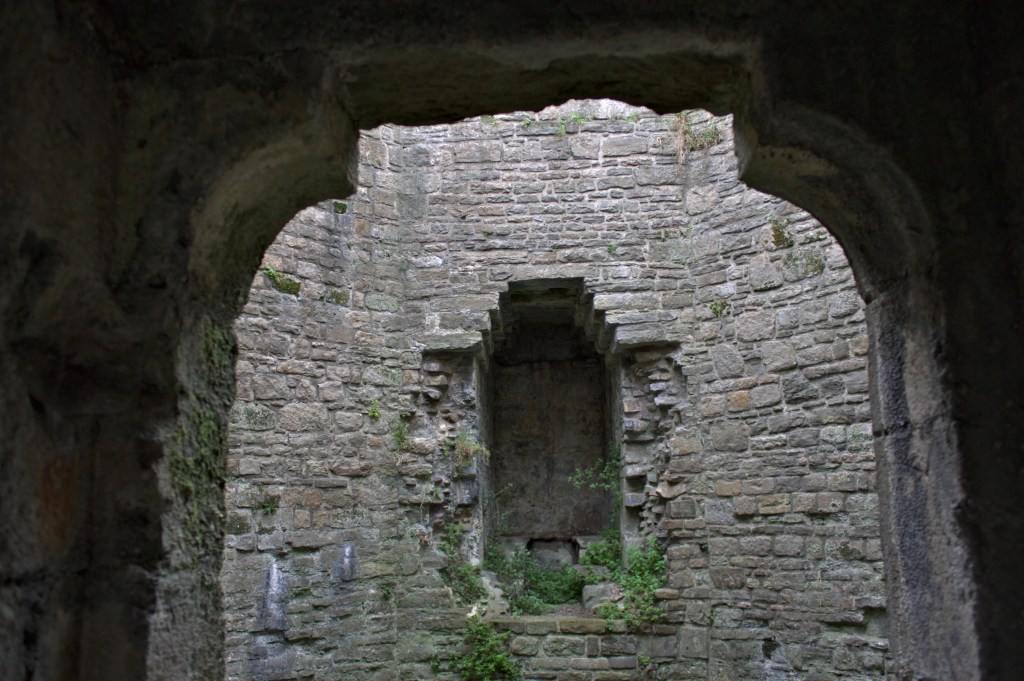
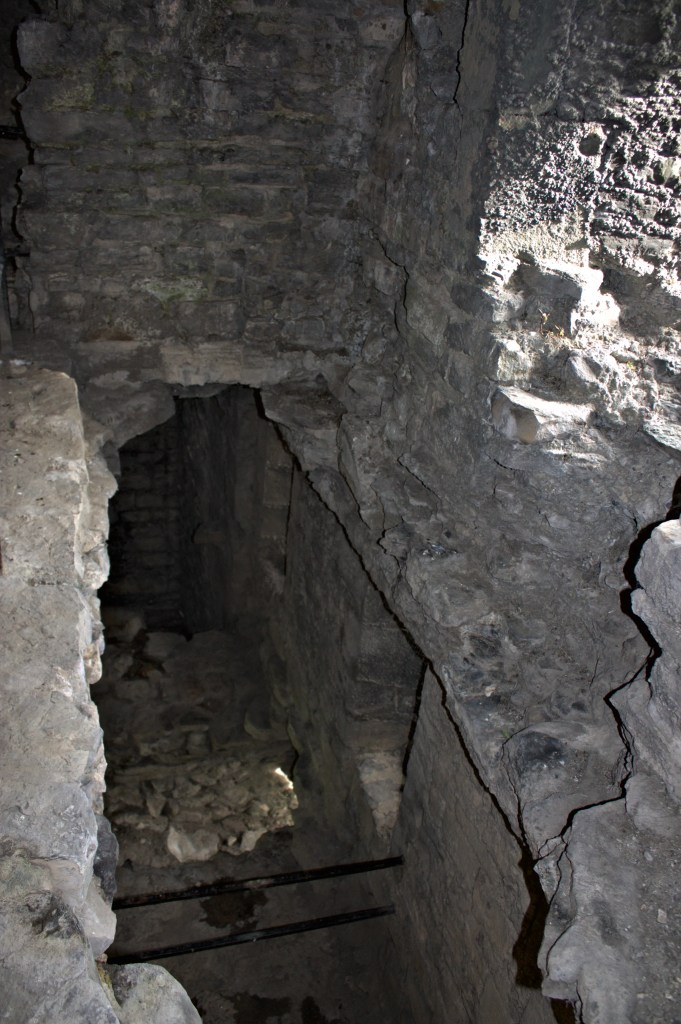
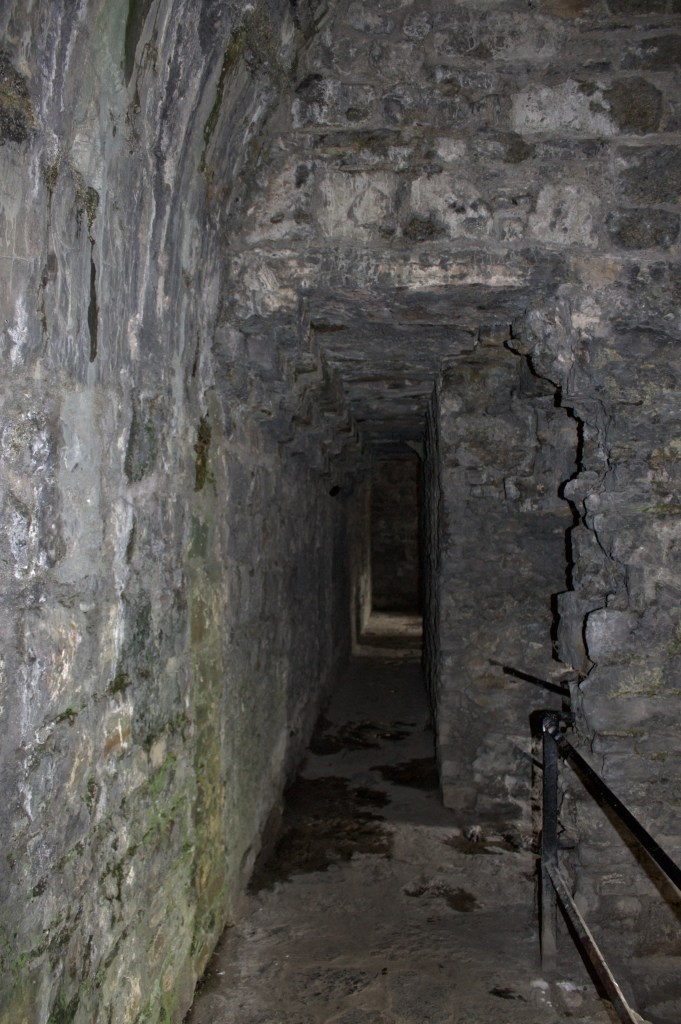

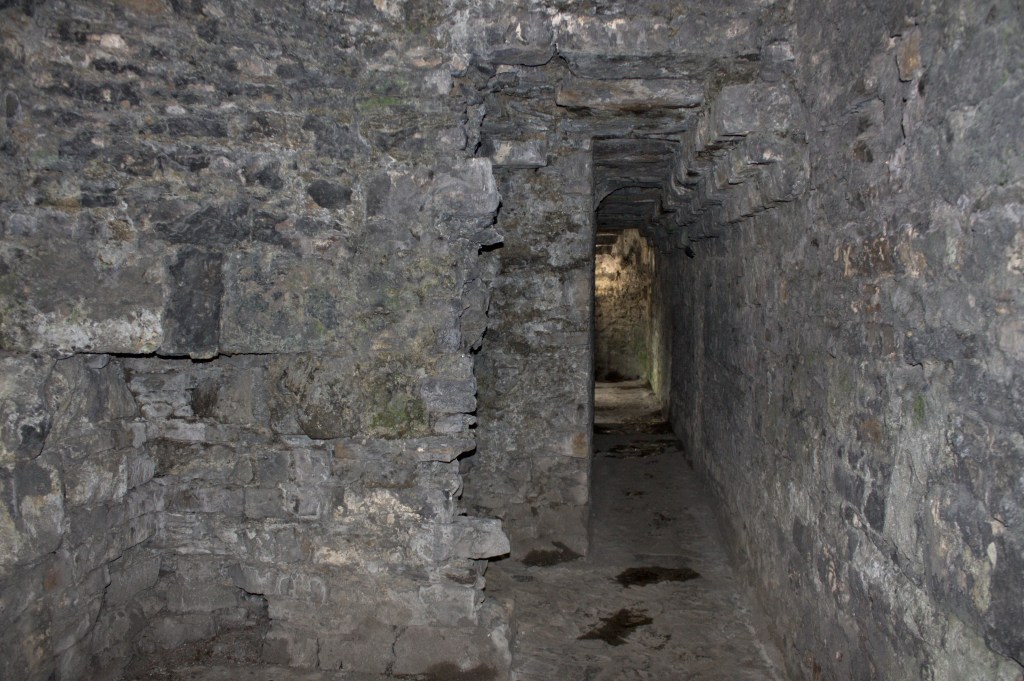
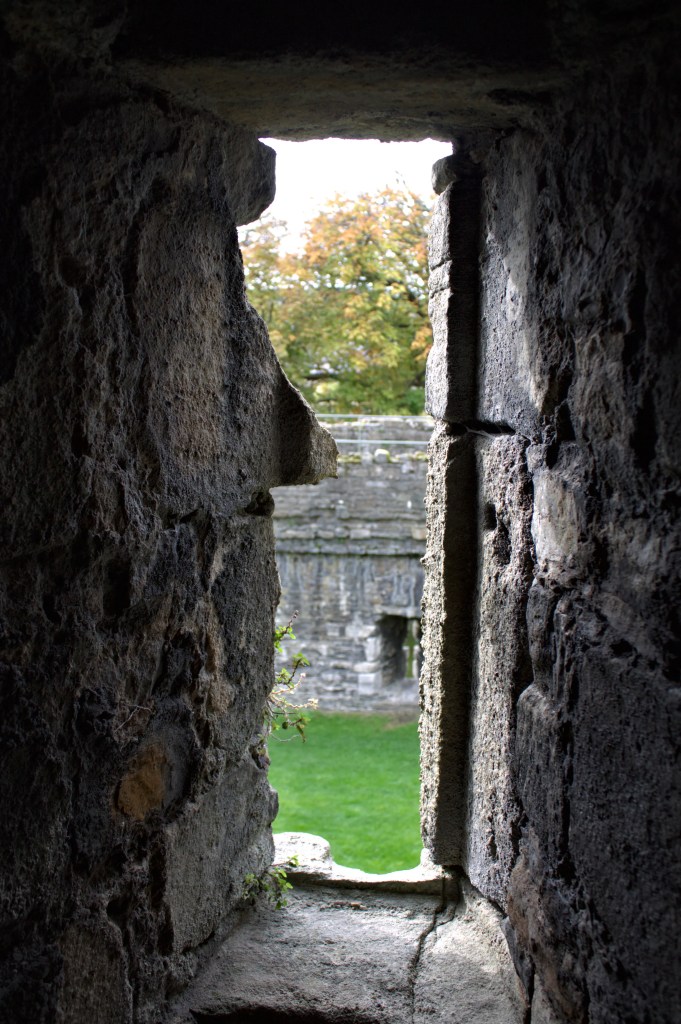
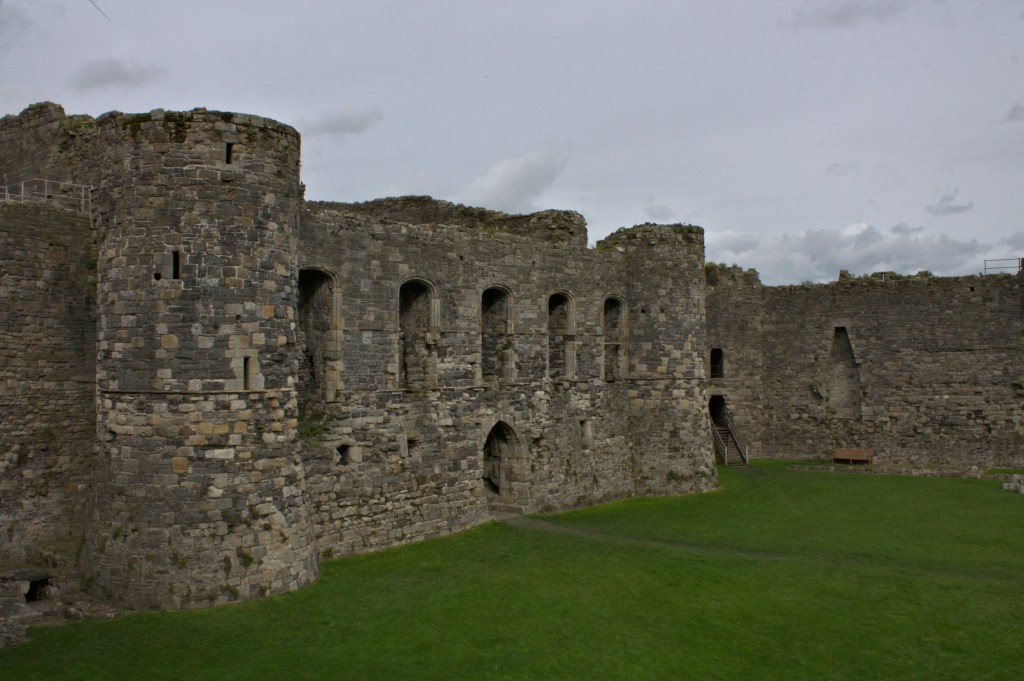

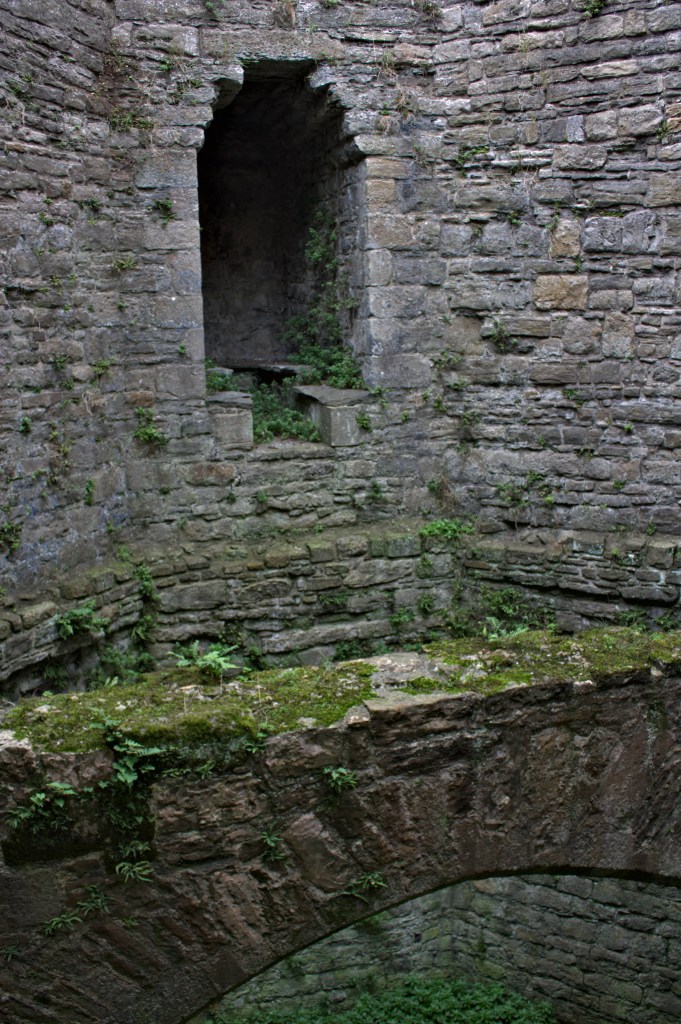

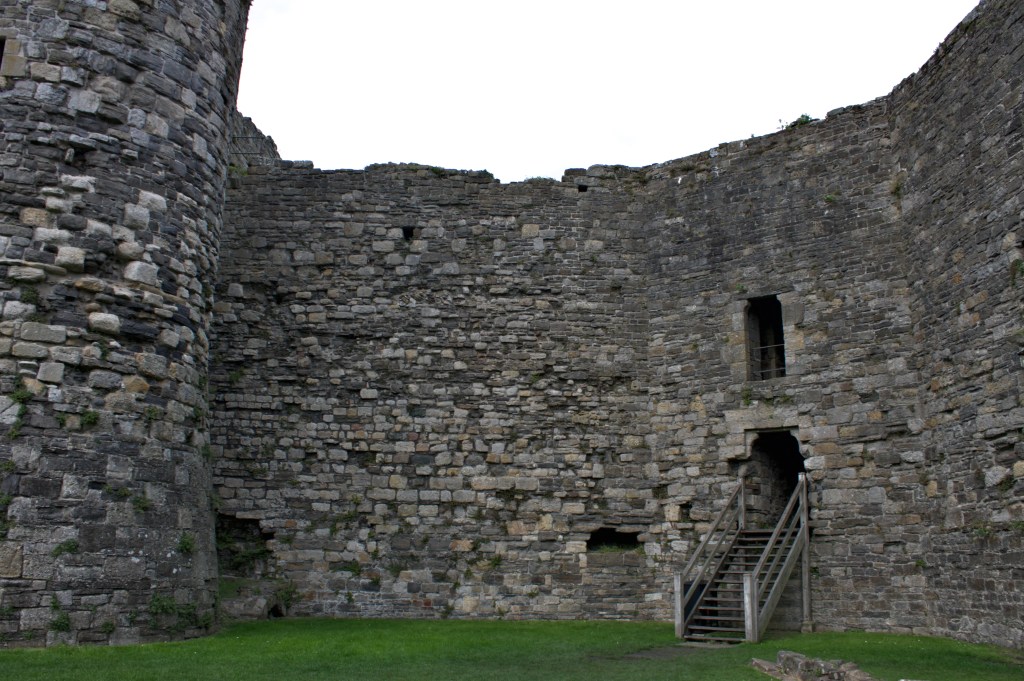
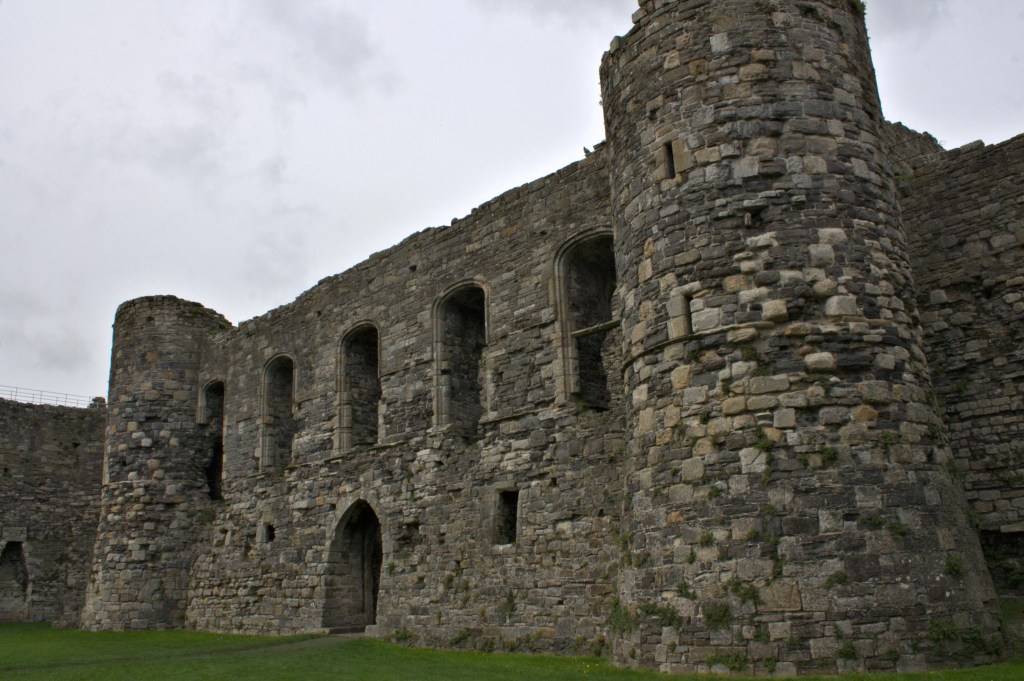
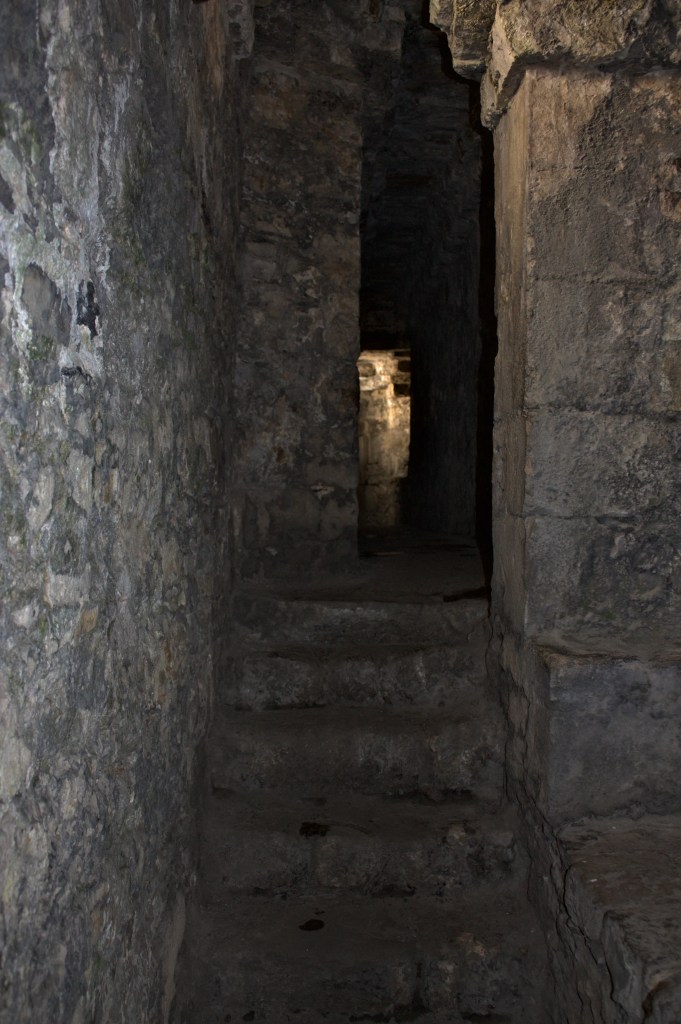

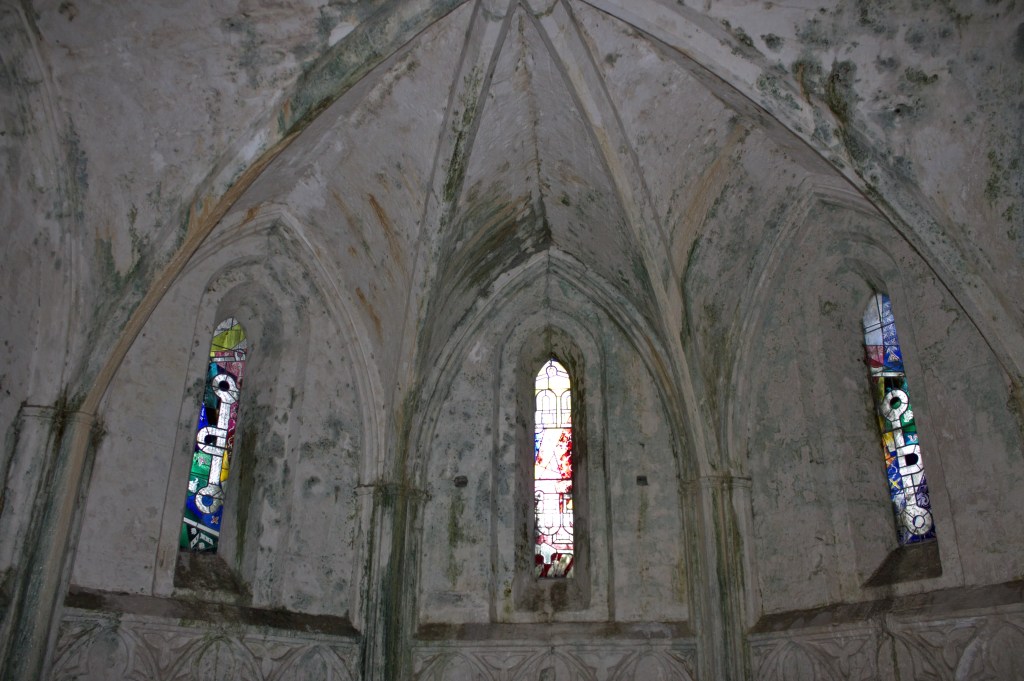

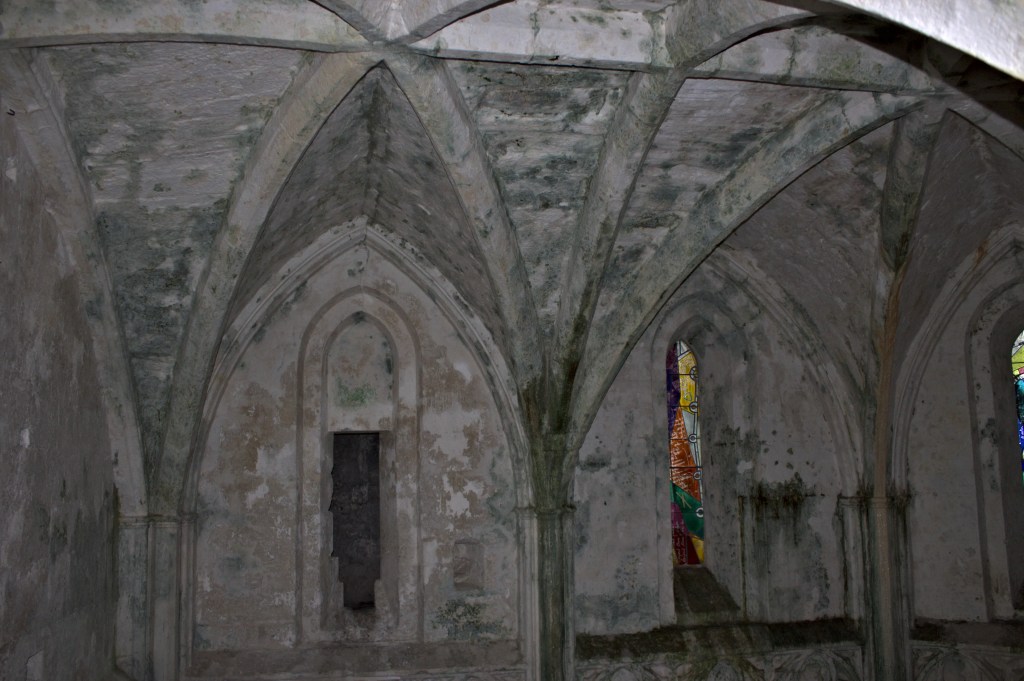
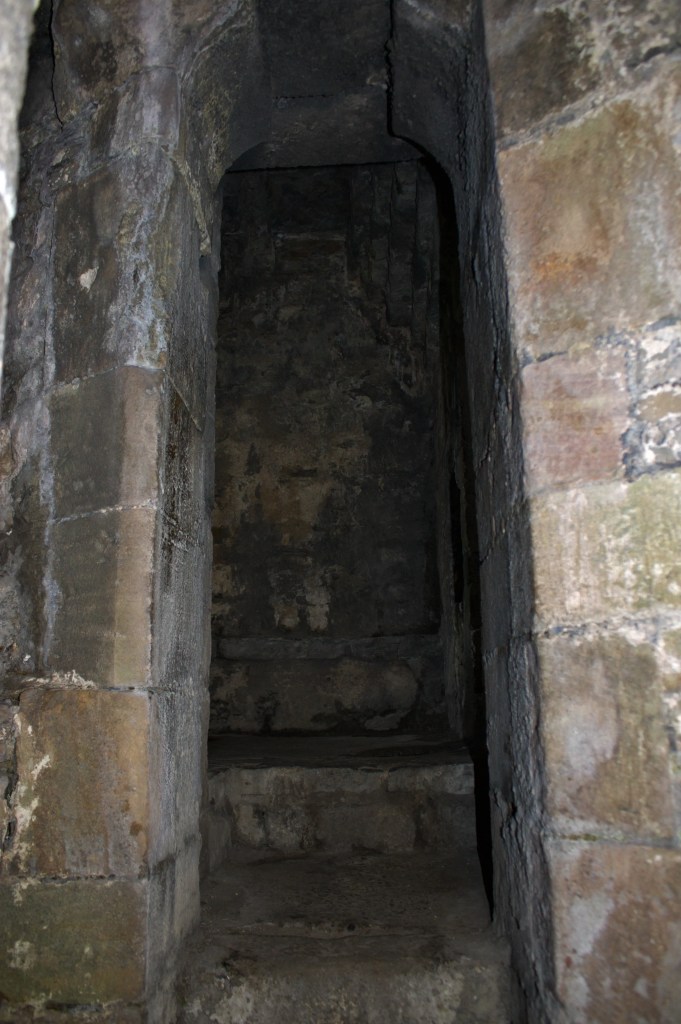
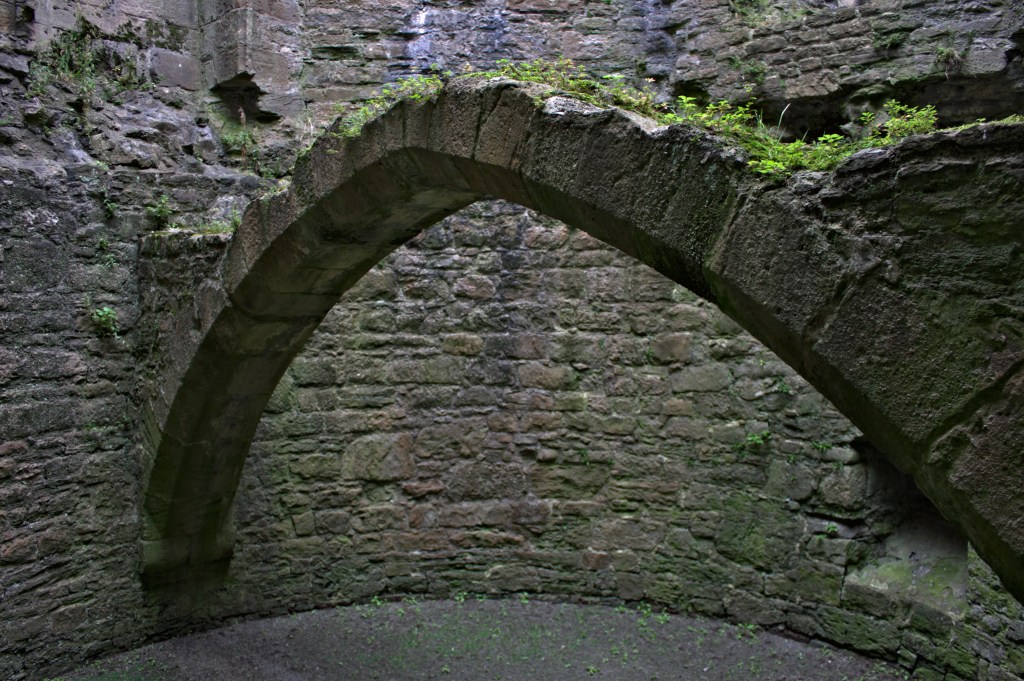
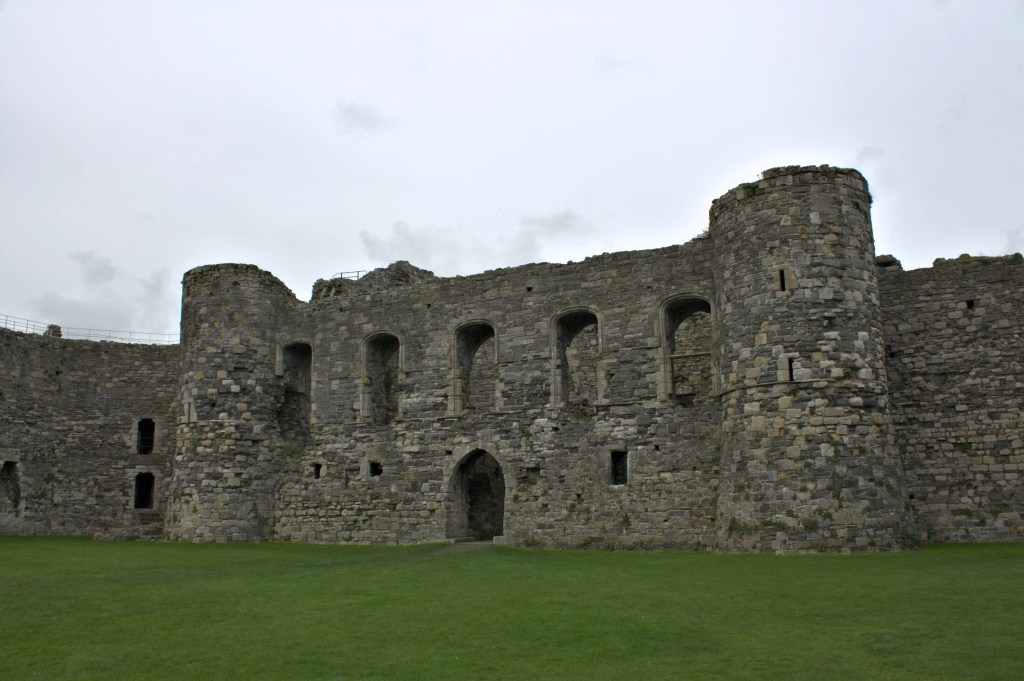

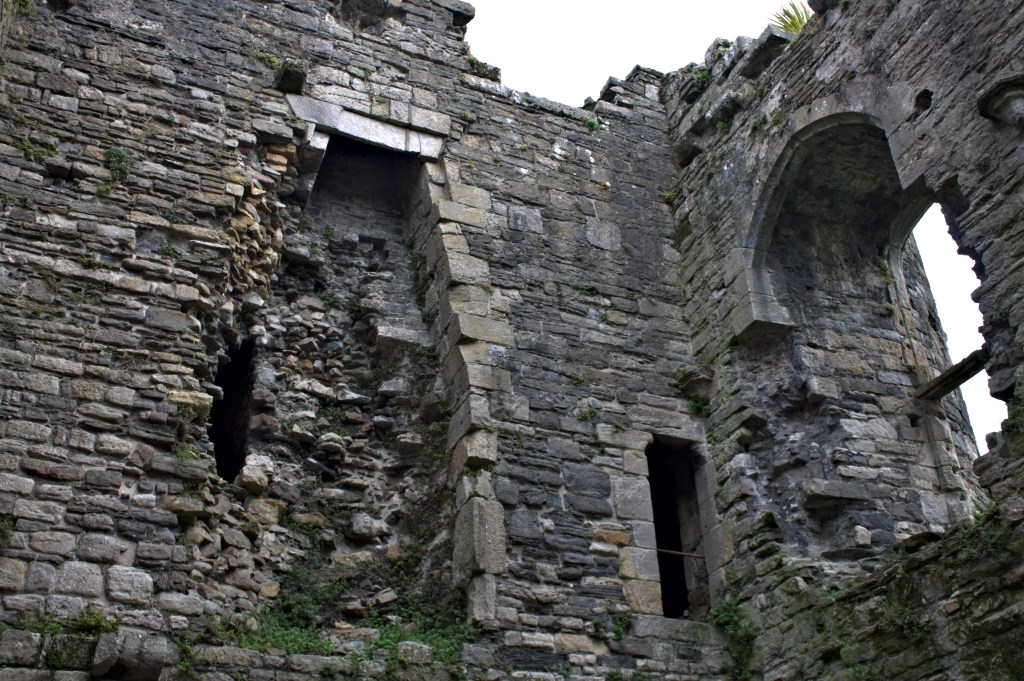
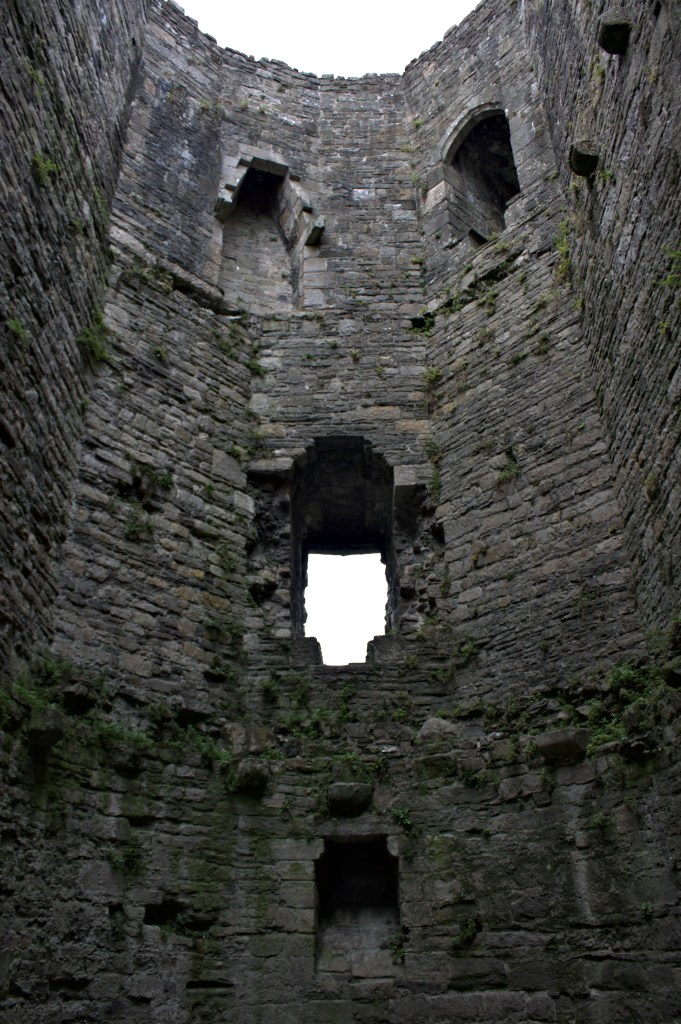
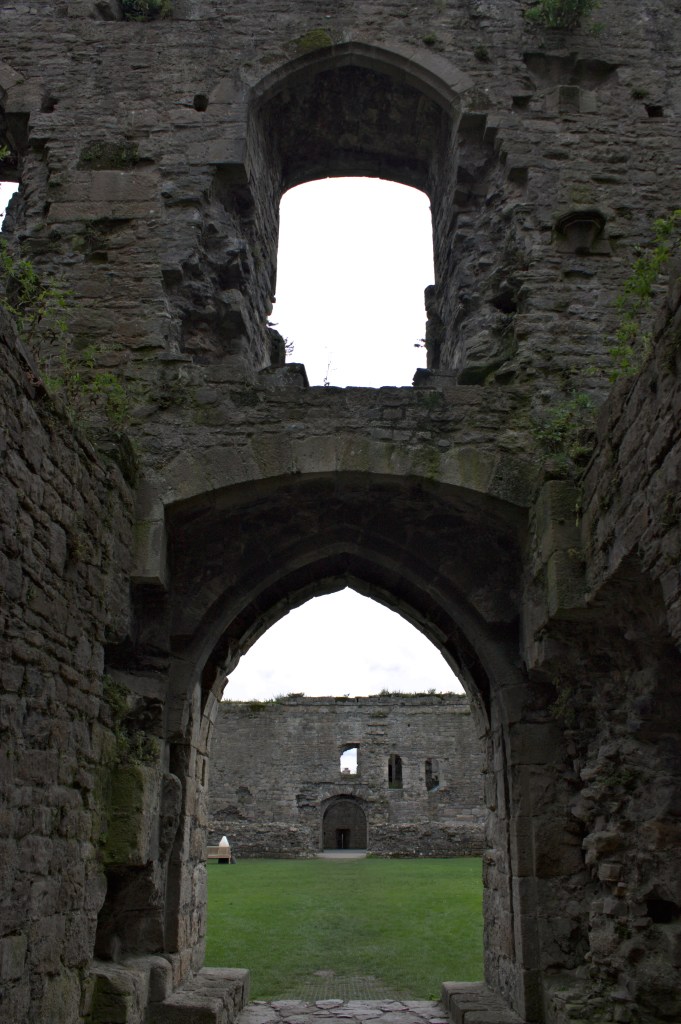
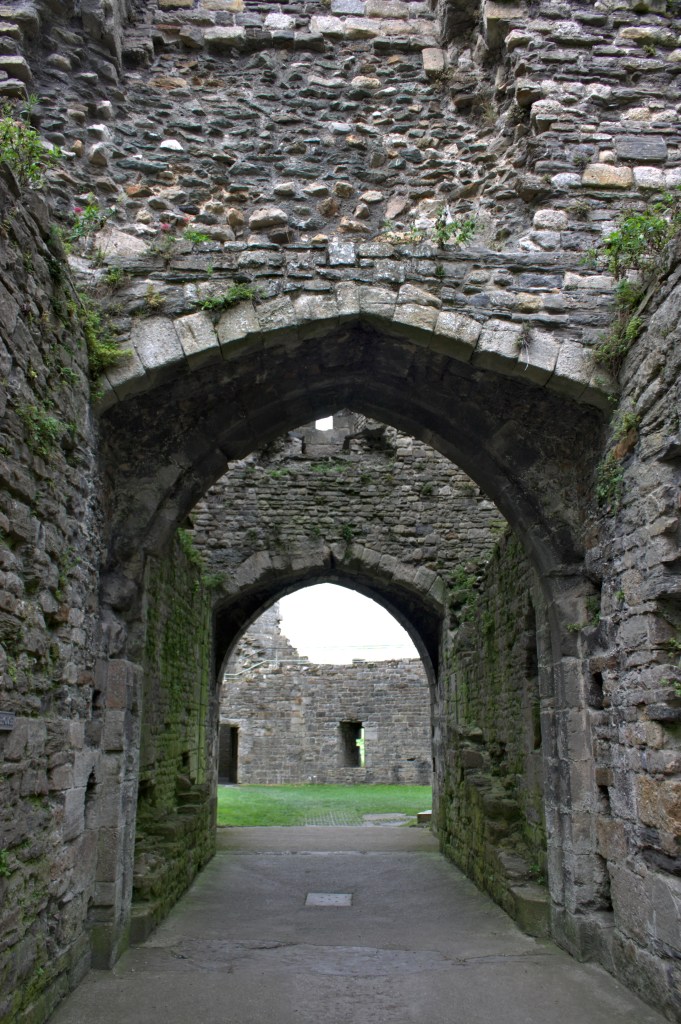
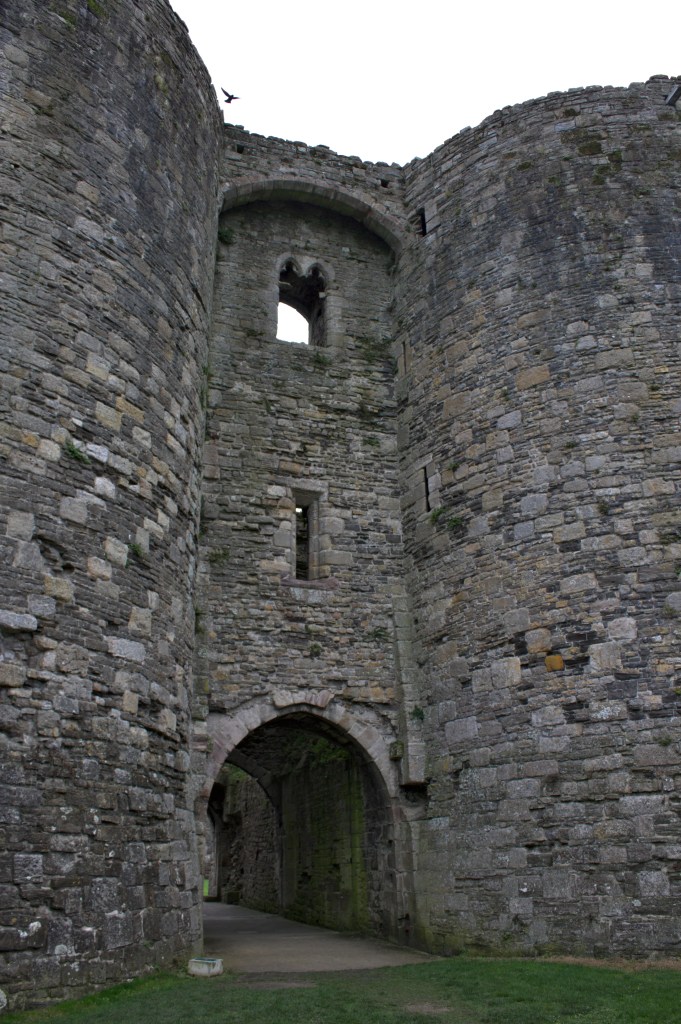
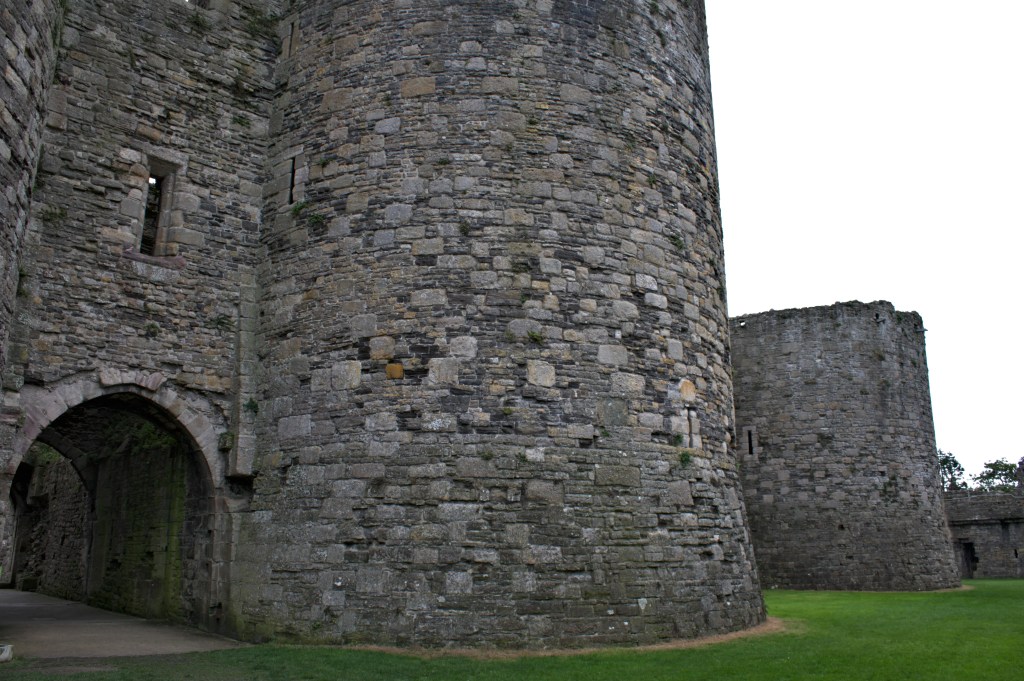
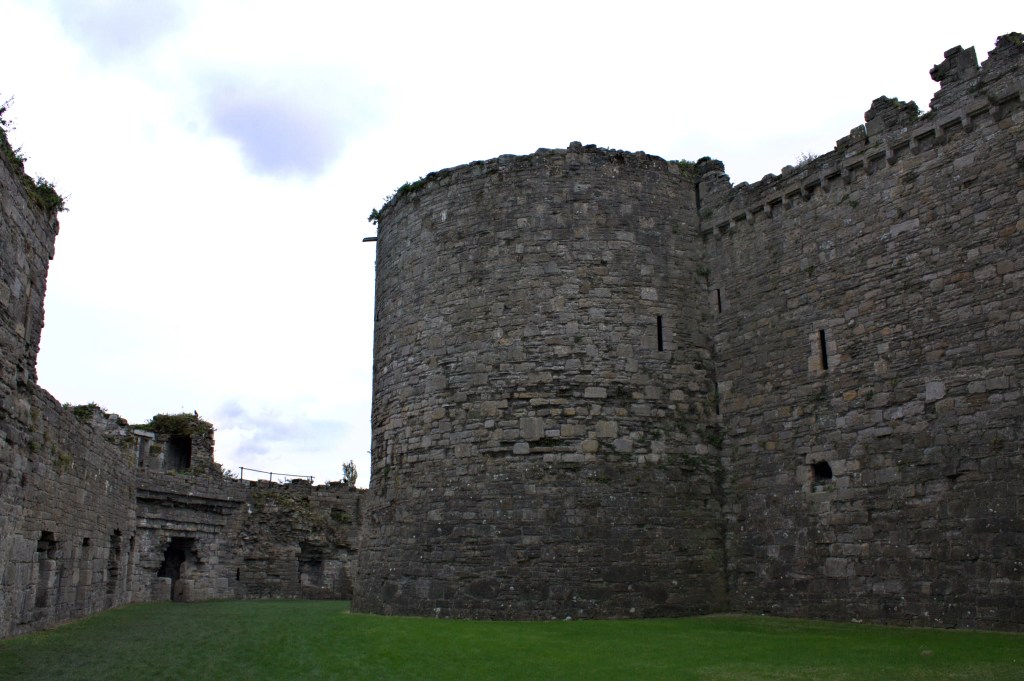

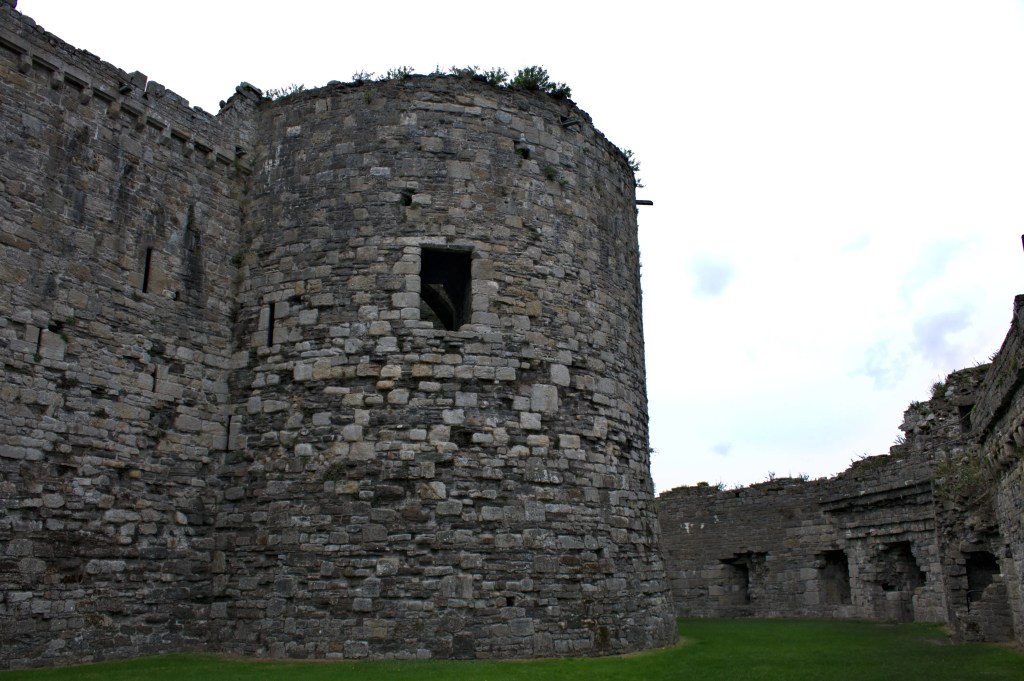
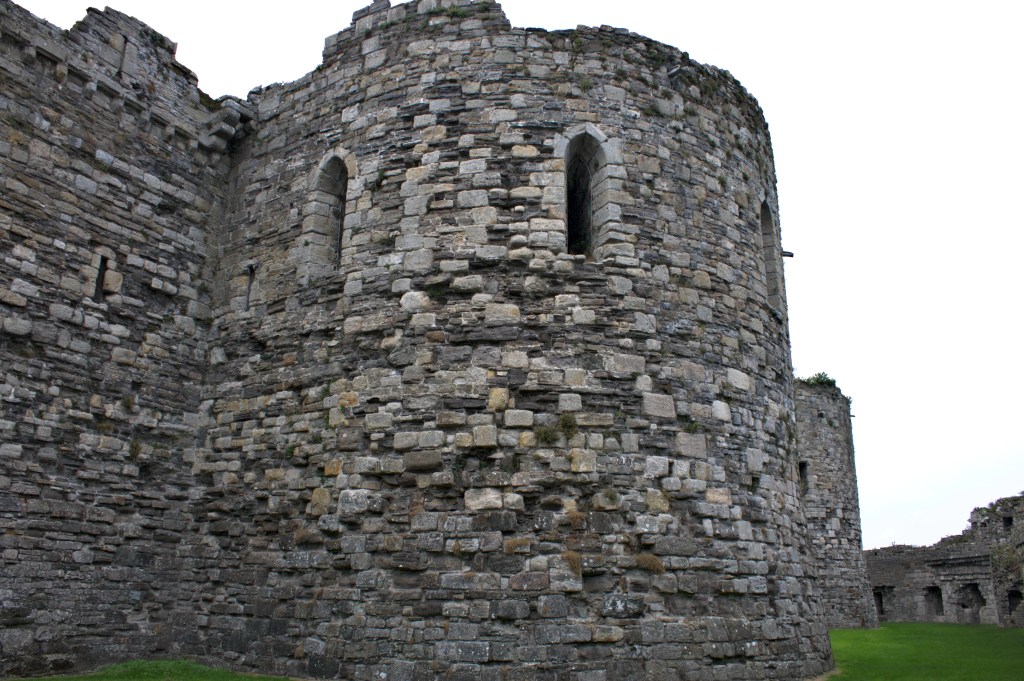
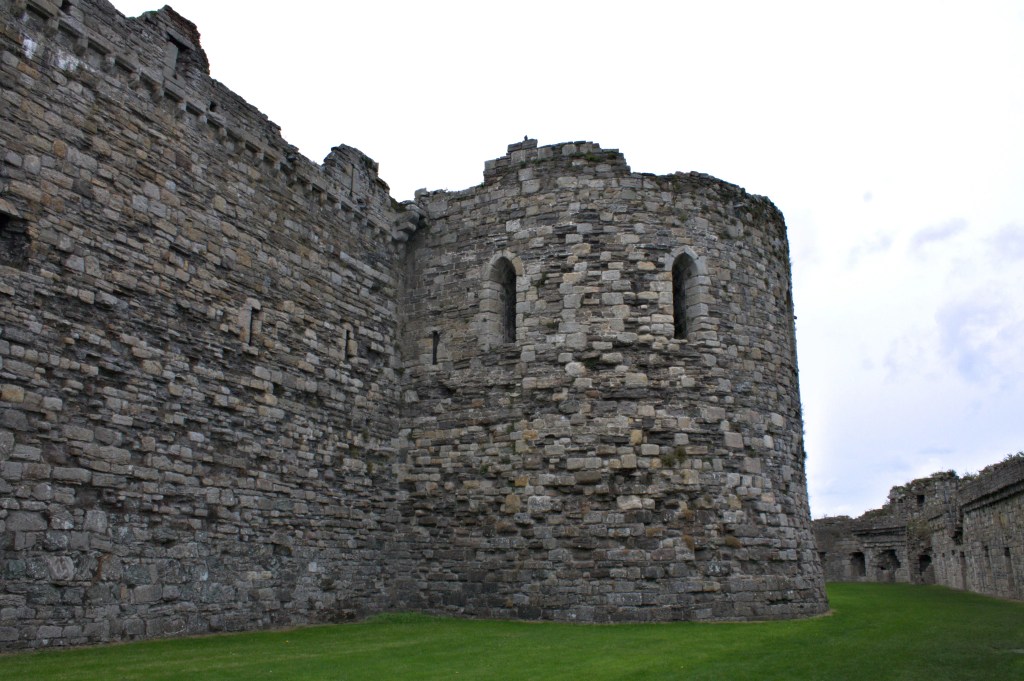
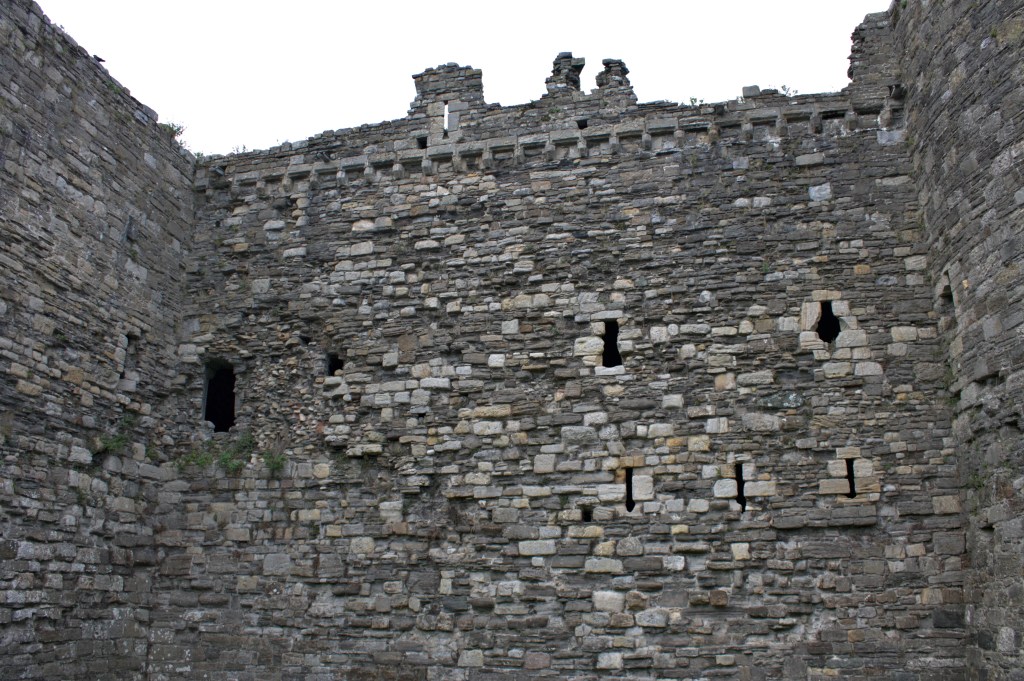
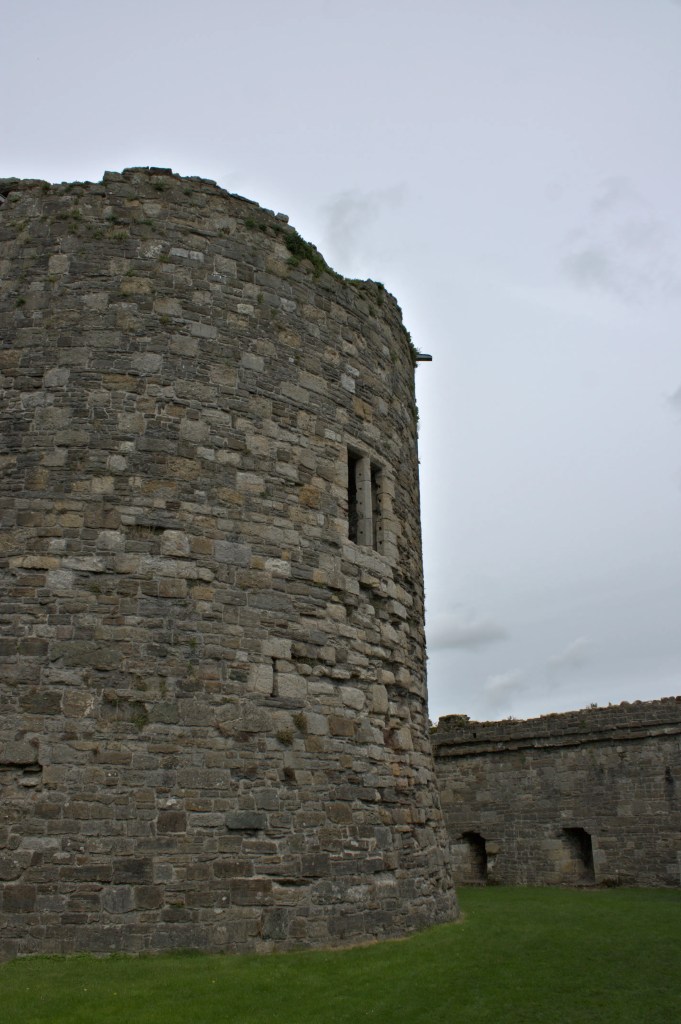
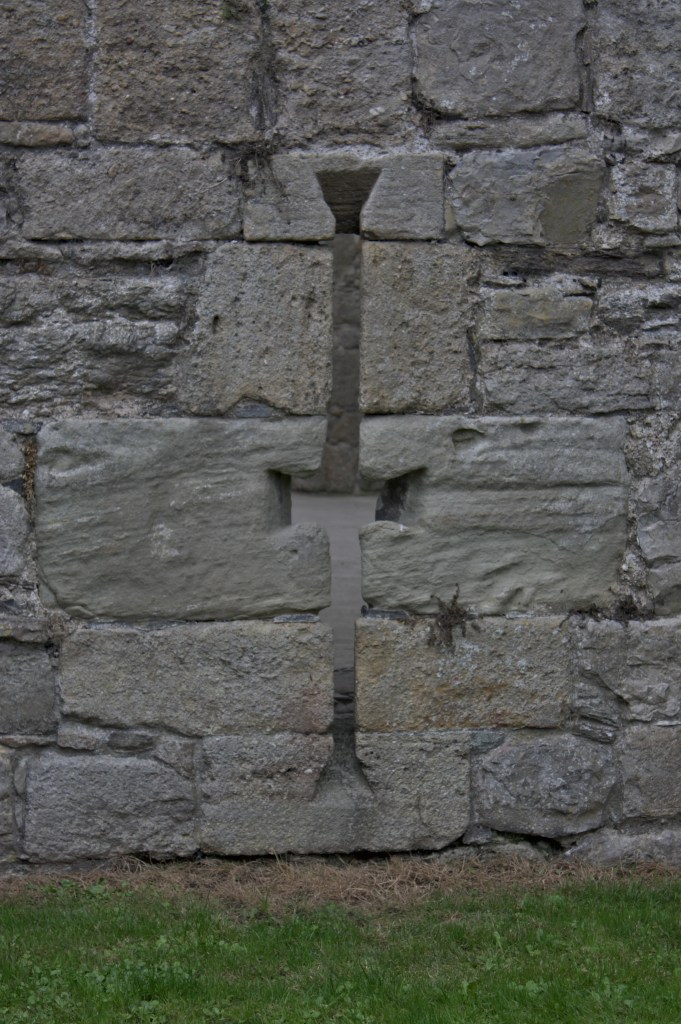

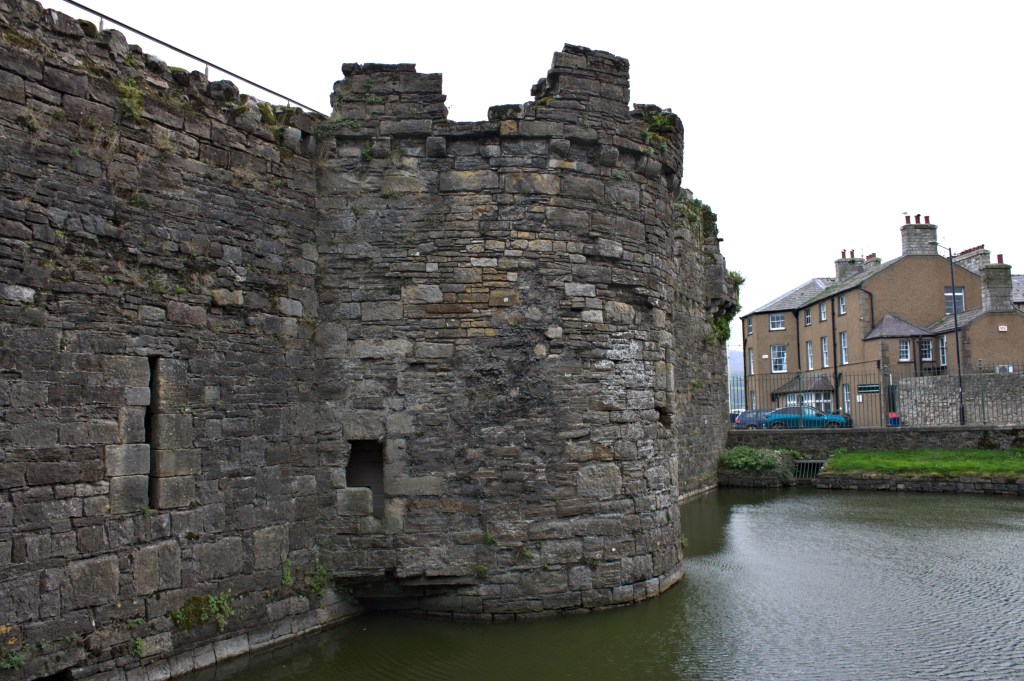


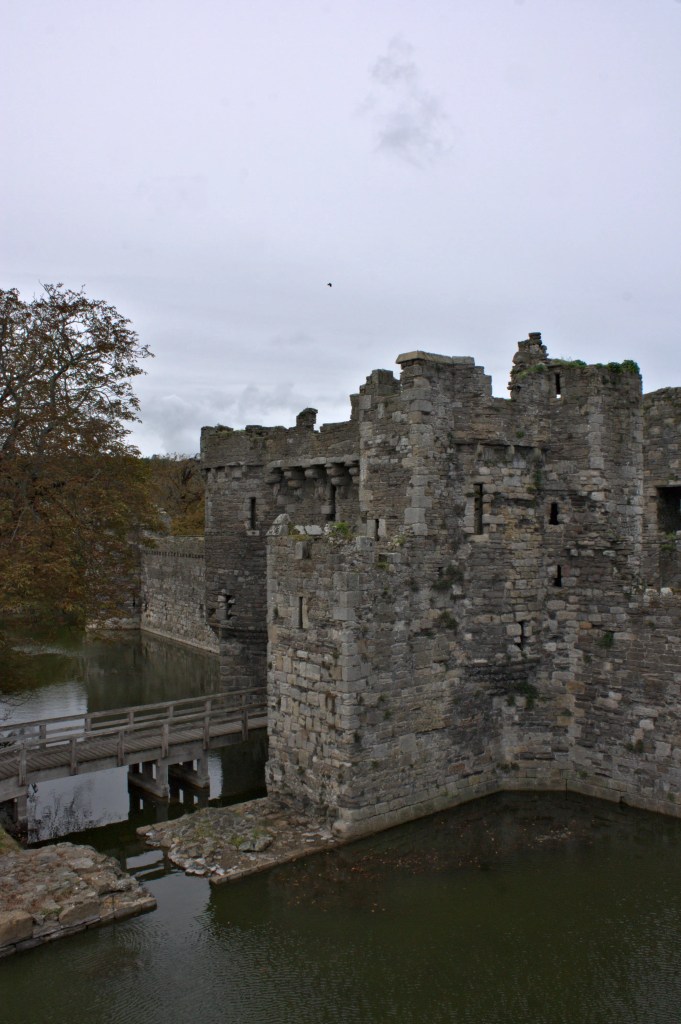
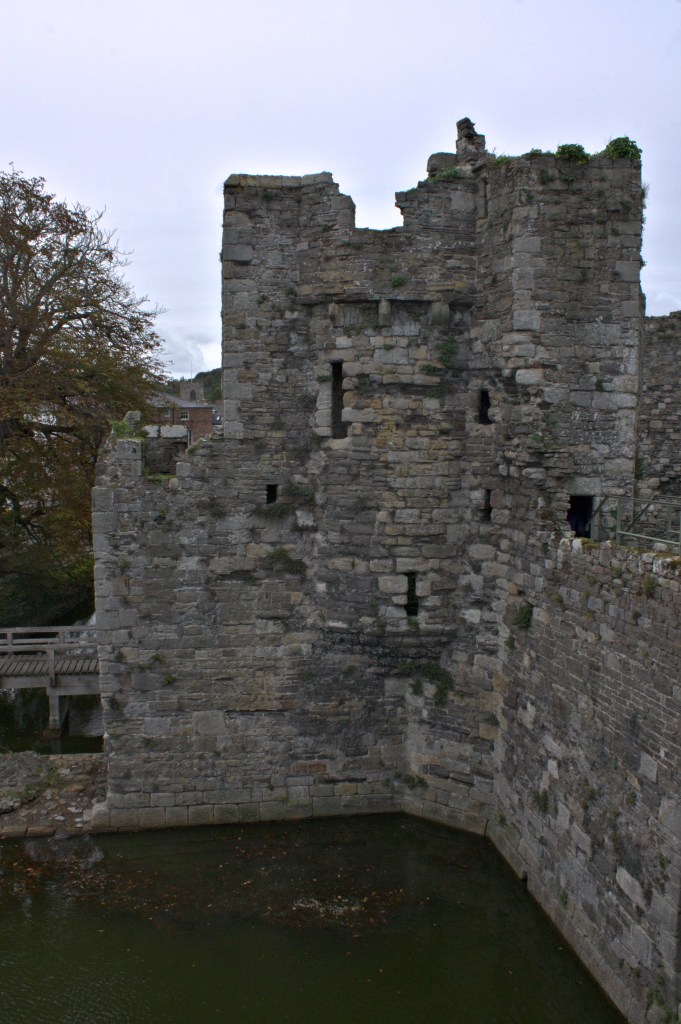

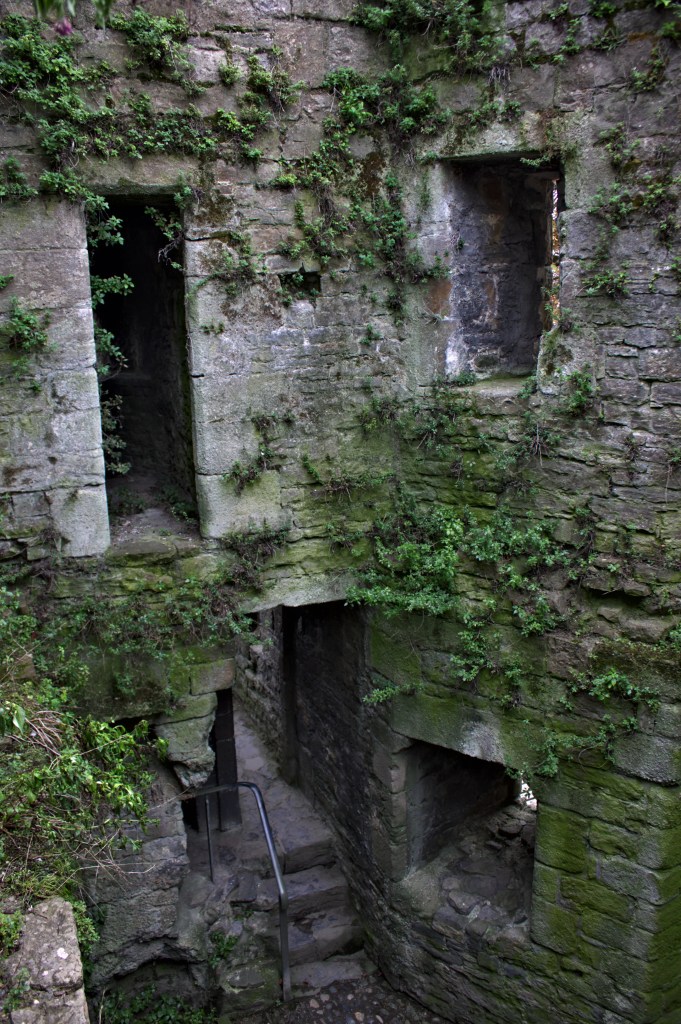


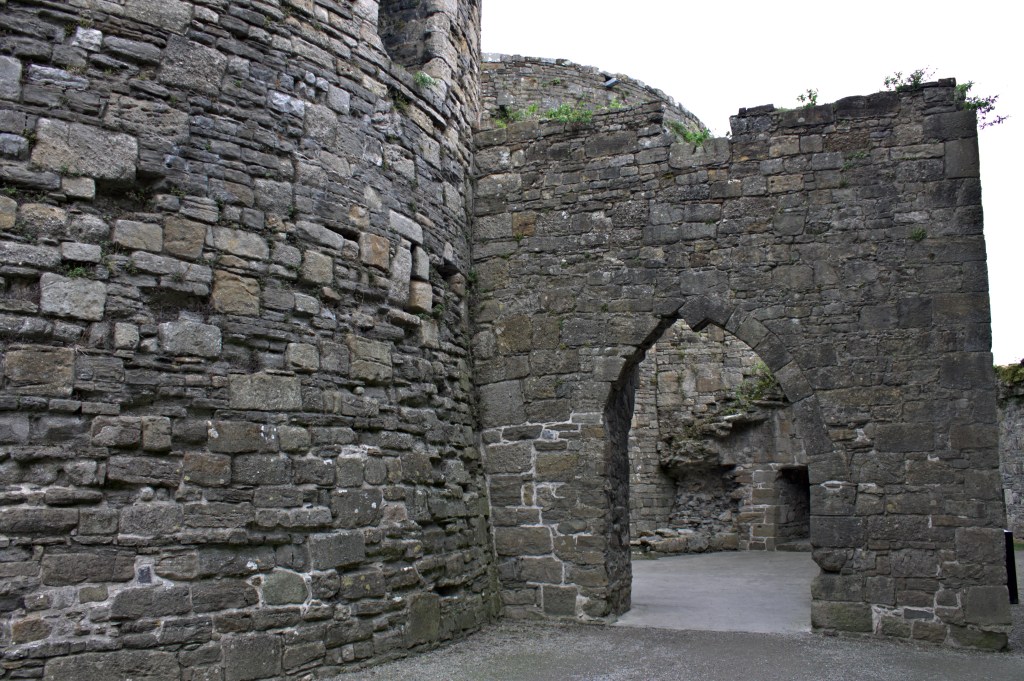
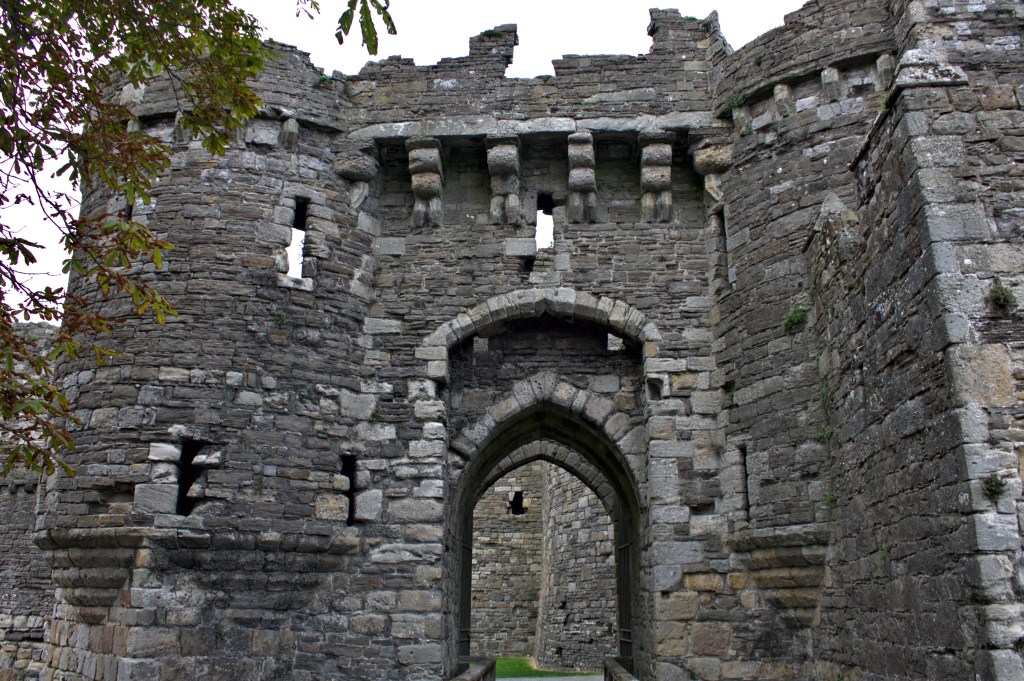
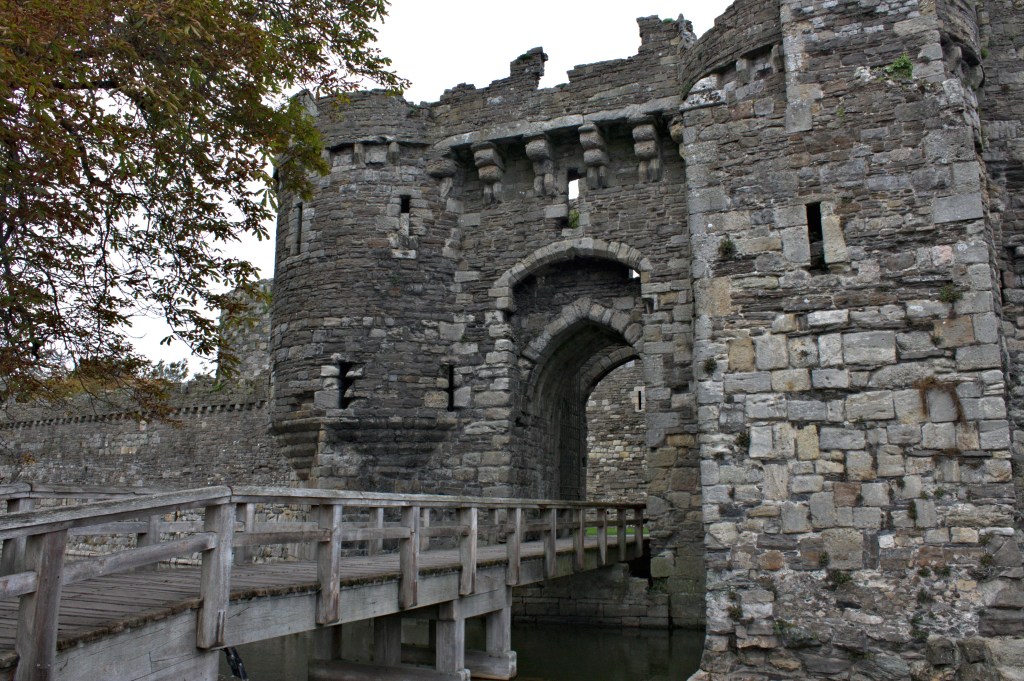


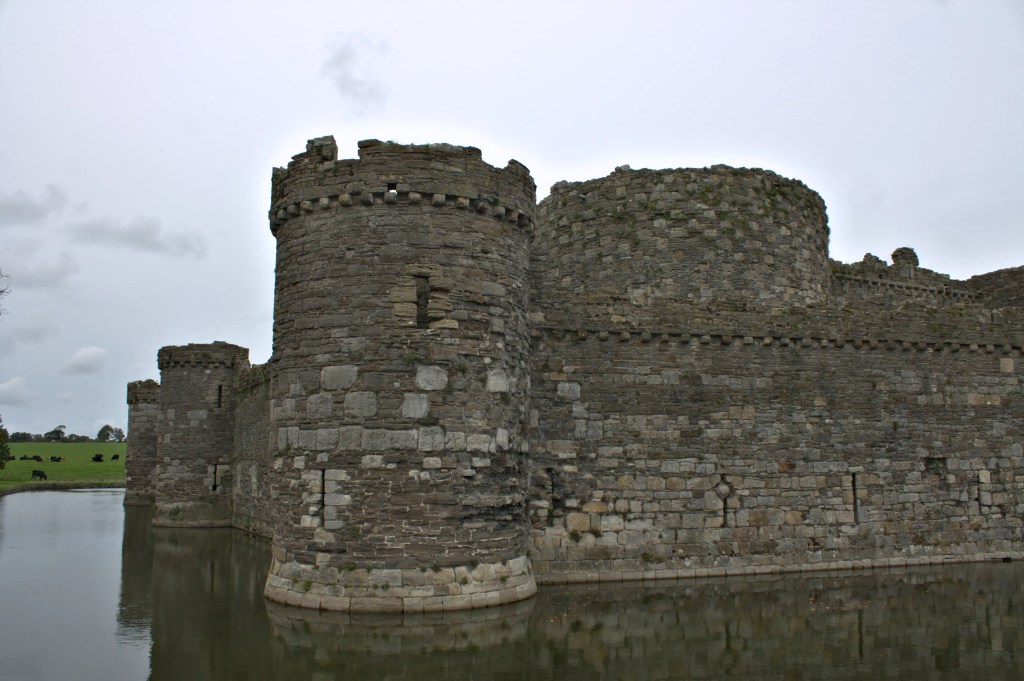

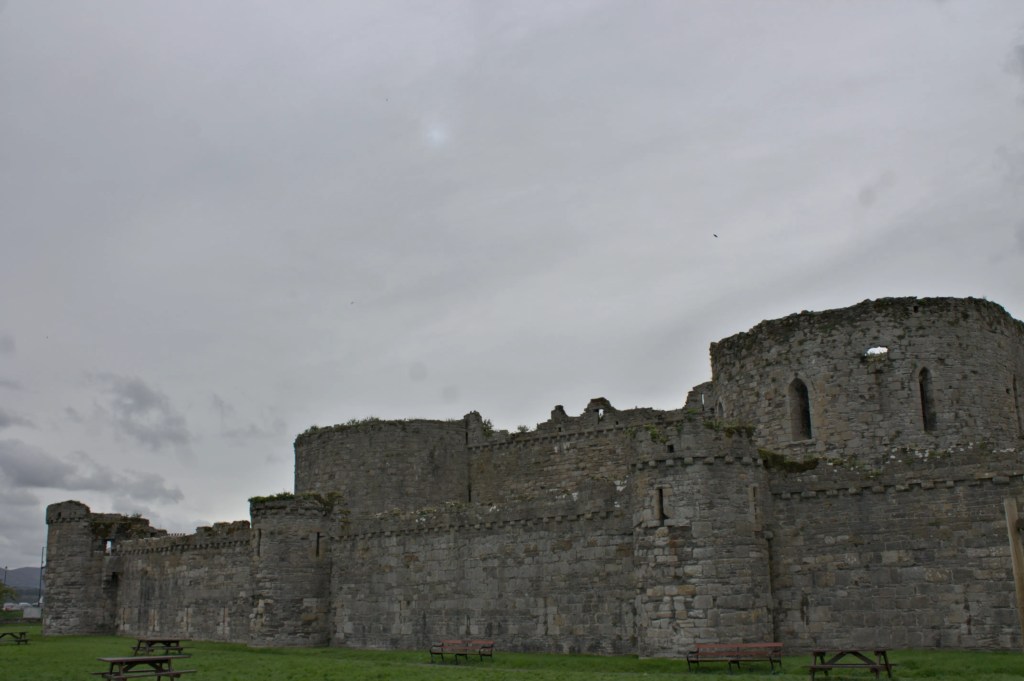
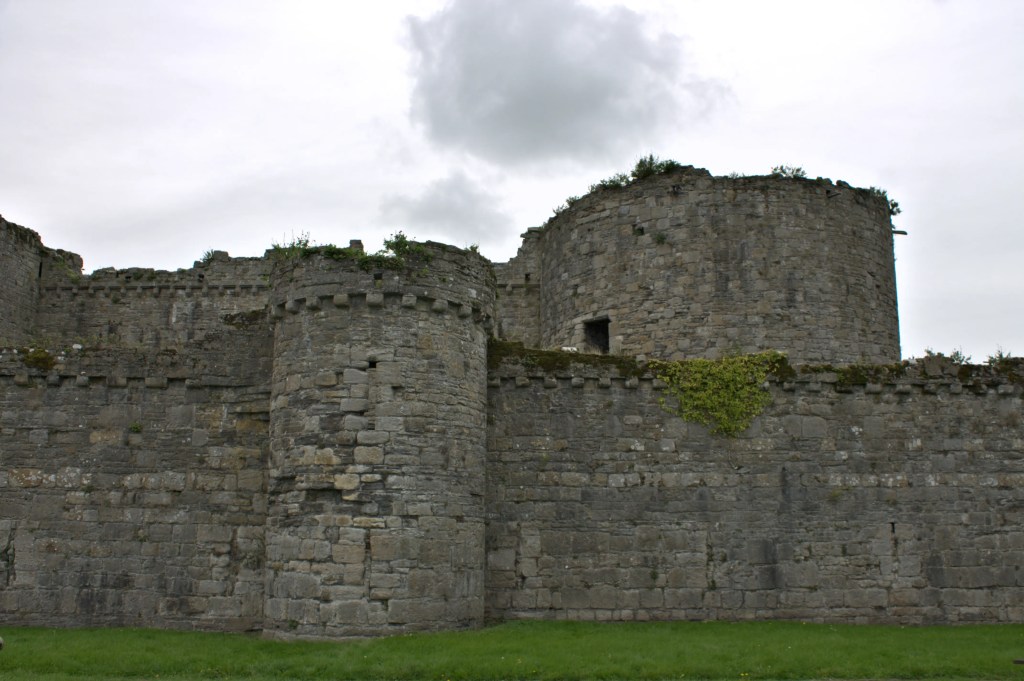
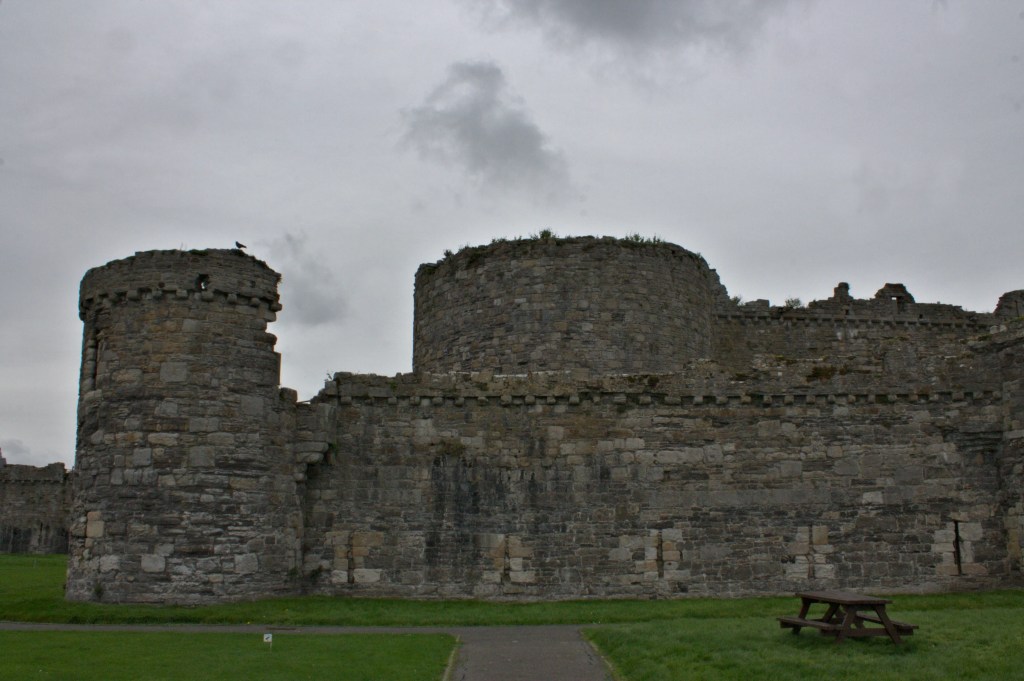
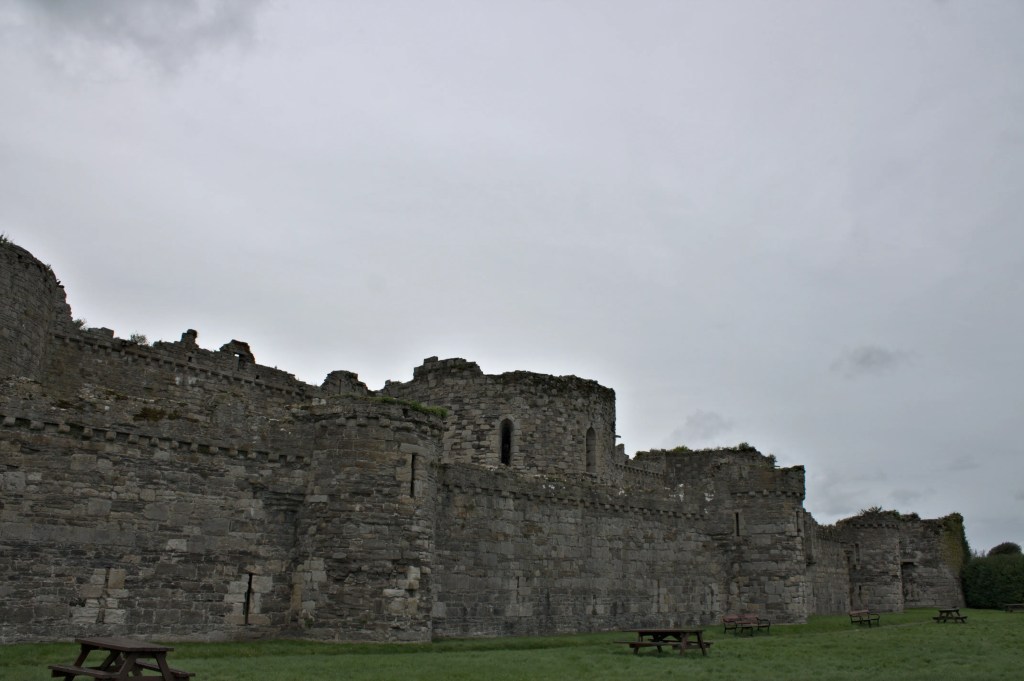
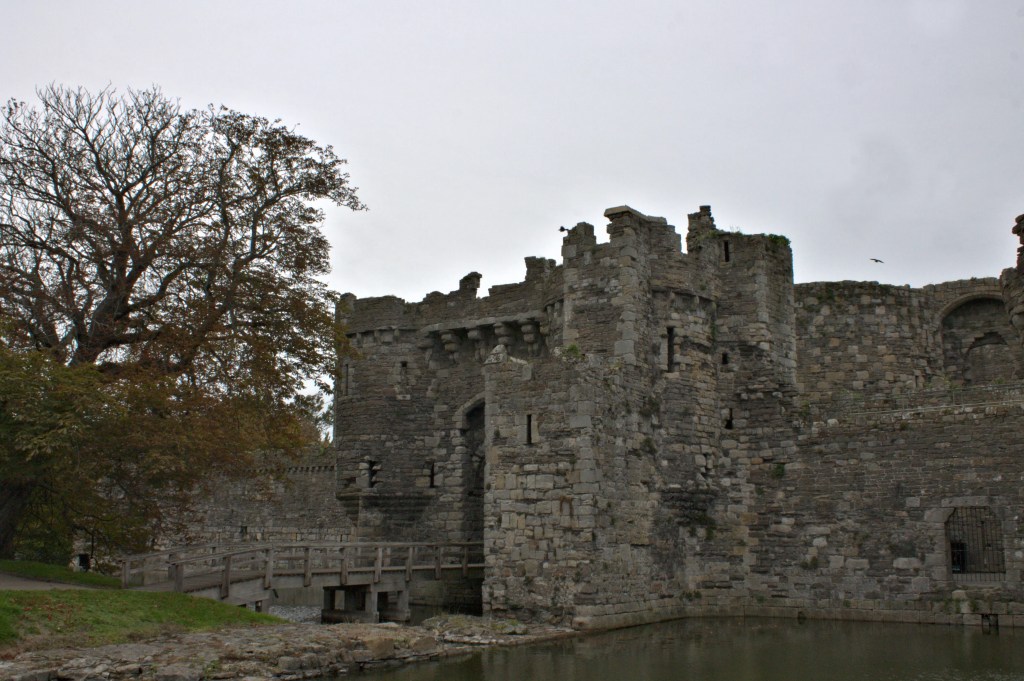
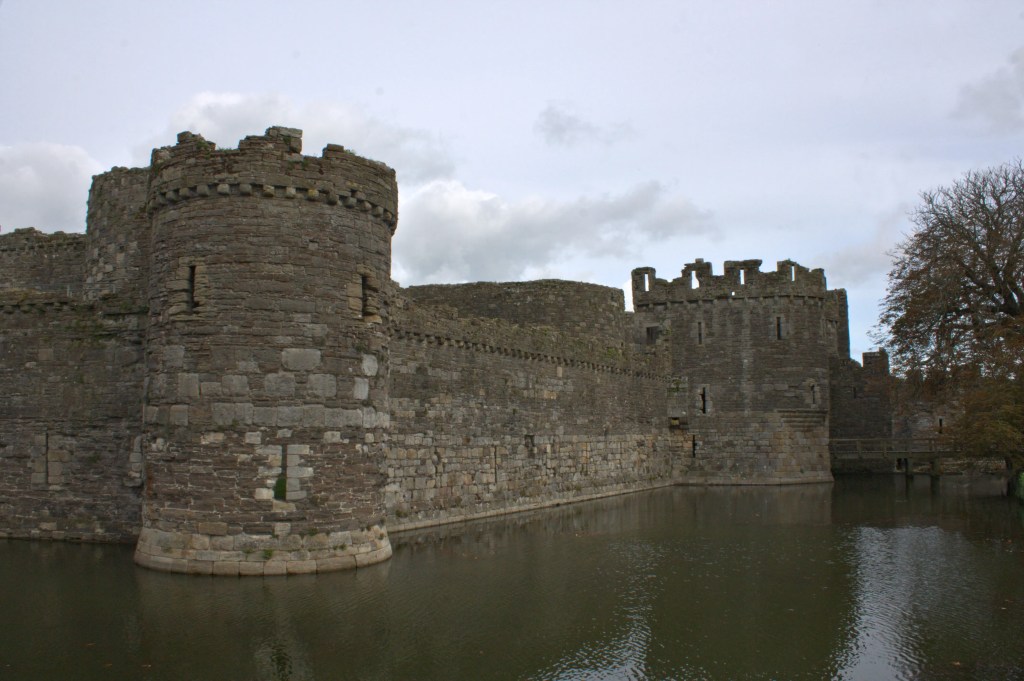
The 13th century Beaumaris Castle is often referred to as the ‘greatest castle never built’ due to the fact that it was never actually finished The castle had been planned during the 1280s as part of Edward I’s ‘ring of iron’ that he built in north wales in an effort to conquer the native Welsh and subjugate the population of Gwynedd and Snowdonia. The network of castles includes the major sites at Conwy, Caernarfon, Harlech and Flint to name just a few. The majority of these structures were designed and constructed by the master builder James of Saint George, focussing heavily on concentric design and multiple layers of defence. Though plans had been made during the 1280s it wasn’t until 1295 and the aftermath of the welsh Madog ap Llywelyn uprising that a substantial amount of work was undertaken. The site for Beaumaris was about 1.5kms from a welsh population at Llanfaes who were moved 19kms south-west to a settlement called Newborough that was created for them. The deportation of the local welsh community created a blank canvas for the construction of a town for the English settlers and Beaumaris Castle, Beaumaris meaning “fair marsh”.
Work on the castle was stop-start and Edward’s invasion of Scotland soon meant that funding was diverted from the construction and completely stopped in 1300. It was only due to a fear of invasion that work recommenced in 1306. Work continued in this manner until 1330 when it was finally abandoned after costs reached a colossal £15000. The unfinished nature of the castle explains its somewhat squat and short nature despite the considerable structure that remains. However, this was not the end for Beaumaris.
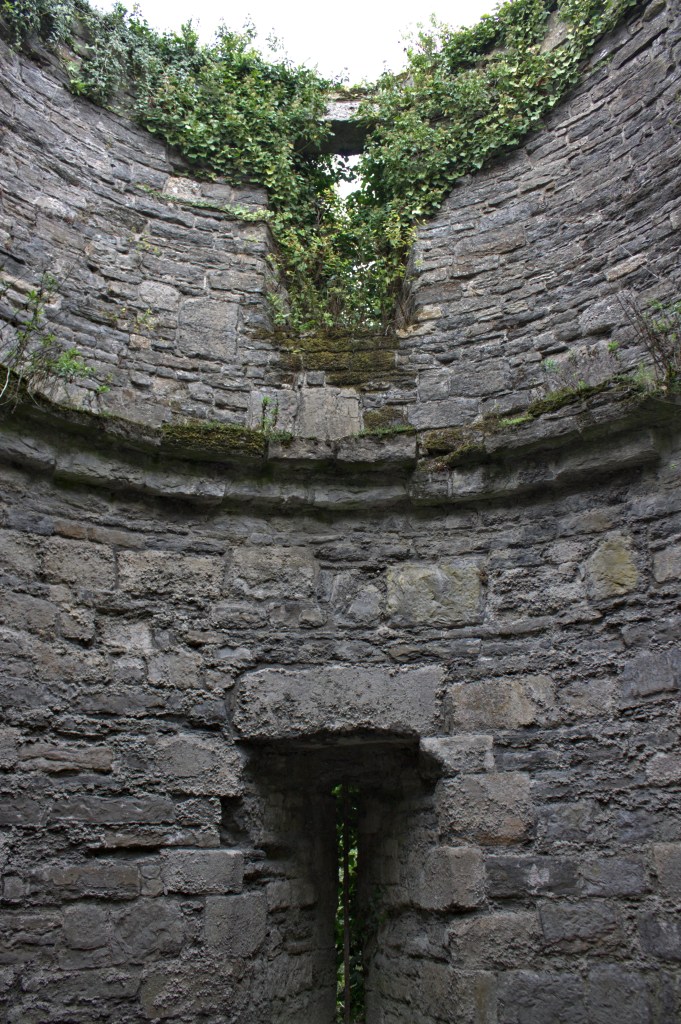
In 1400 another uprising against English rule, led by Owain Glyndŵr took place and the castle, with an English garrison inside, was placed under siege, eventually captured by the rebels in 1403 before being retaken by the English in 1405. The castle remained a forgotten outpost and by 1534 the constable Roland de Velville reported that rain was leaking into most rooms. This followed with a report in 1539 when the new constable Richard Bulkeley stated that the castle was only protected with an arsenal of eight to ten small guns and forty bows! It wasn’t until 1642 and the outbreak of the English Civil War that the descendant of Richard Bulkeley, Thomas Bulkeley was able to spend £3000 improving the castle’s defences. The castle was in a strategic position, linking the king’s bases in Ireland with those in England, but by 1646 Parliamentarian forces had defeated the royalist armies and the castle was surrendered by Richard Bulkeley. In 1648 a rebellion that started in Anglesey meant the castle was briefly occupied by royalists before being retaken in October of the same year.
Beaumaris was kept somewhat operational due to fears of a royalist invasion from Scotland and a permanent garrison under Colonel John Jones was kept at the castle, costing £1703 a year. When Charles II returned to his throne in 1660 the Bulkeley family were restored as the constables, as they had been for centuries. In 1807 Thomas Bulkeley, the 7th Viscount bought the castle from the crown and incorporated it into the park that surrounds its walls. This was the time of Romantic Travel/Picturesque Tourism and the castles of north wales had become a focal point for those looking to see the sights, paint and embrace the ruins. In 1925 the 12th Baronet, Sir Richard Williams-Bulkeley placed the castle in the care of the Commissioners of Works and restoration of its structure began, before it was listed as a Grade 1 building in 1950. In 1986 Beaumaris was declared part of a collective UNESCO designation known as the ‘Castles and Town Walls of King Edward I in Gwynedd’, alongside Conwy, Caernarfon, and Harlech.
GPS: 53.26475, -4.08963