


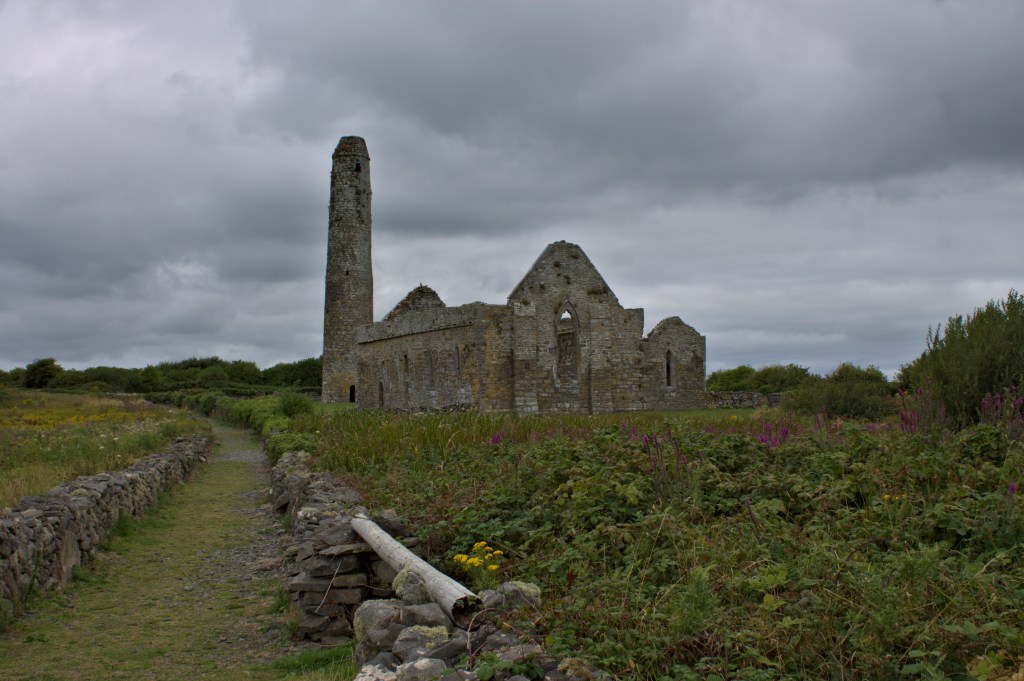
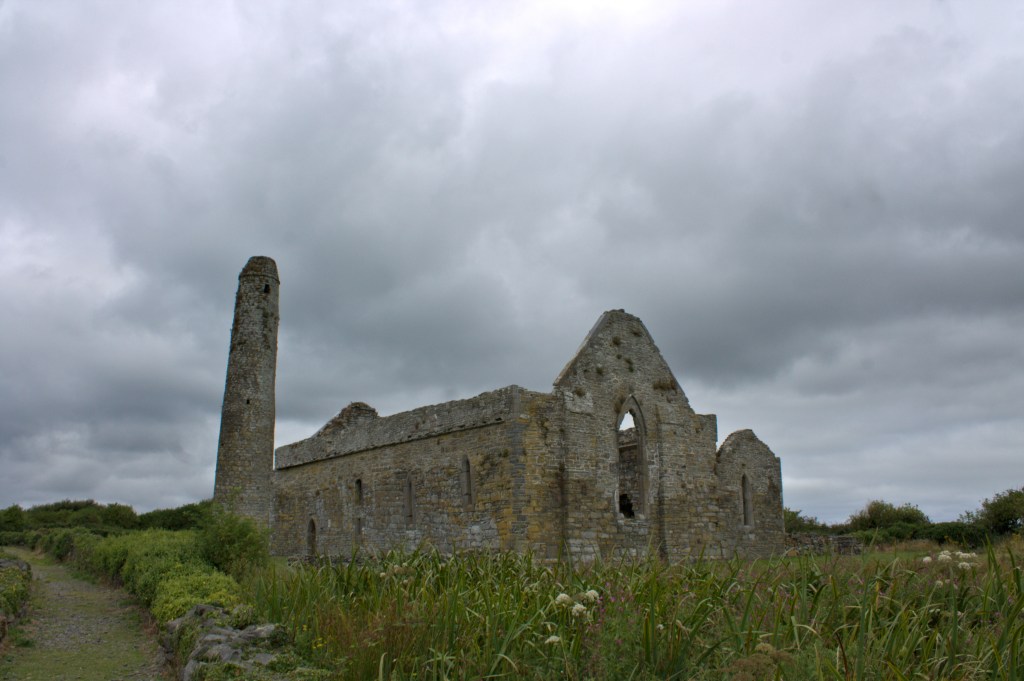





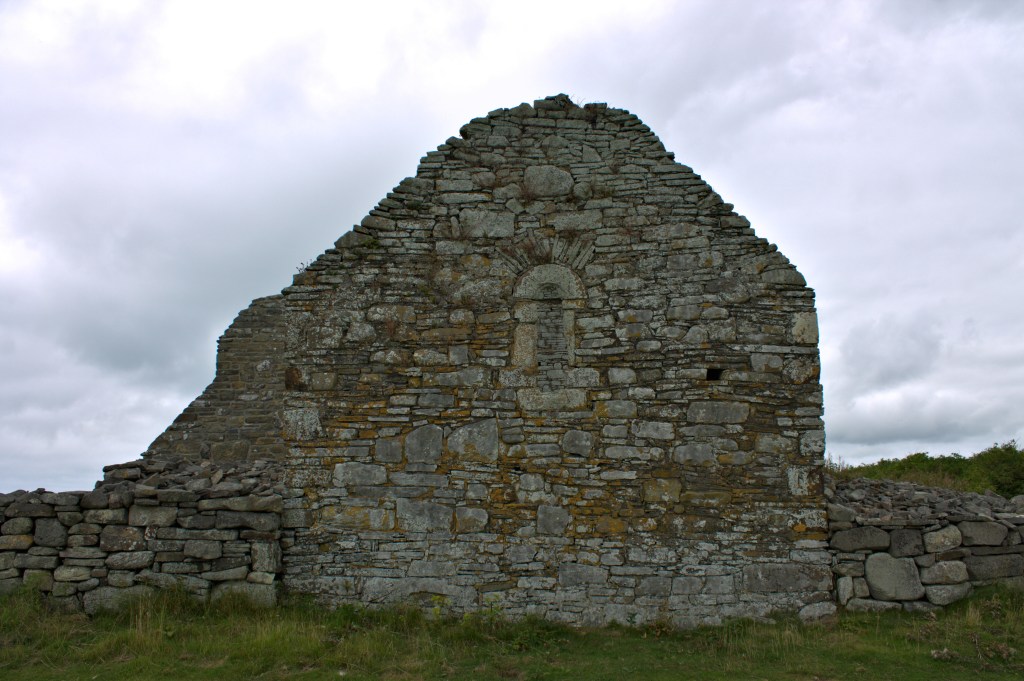

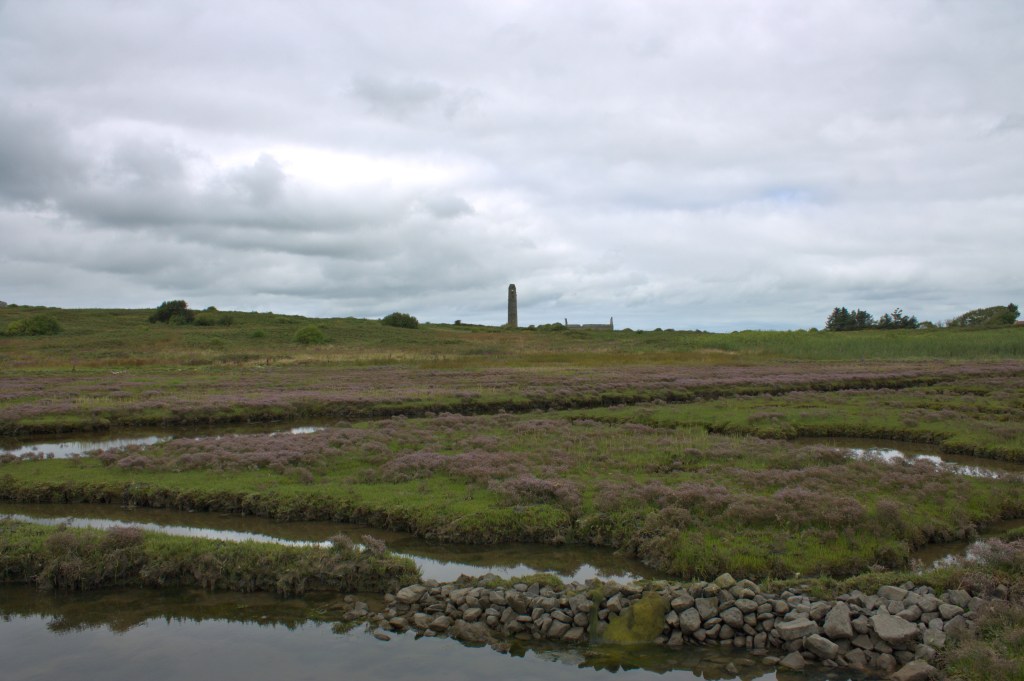
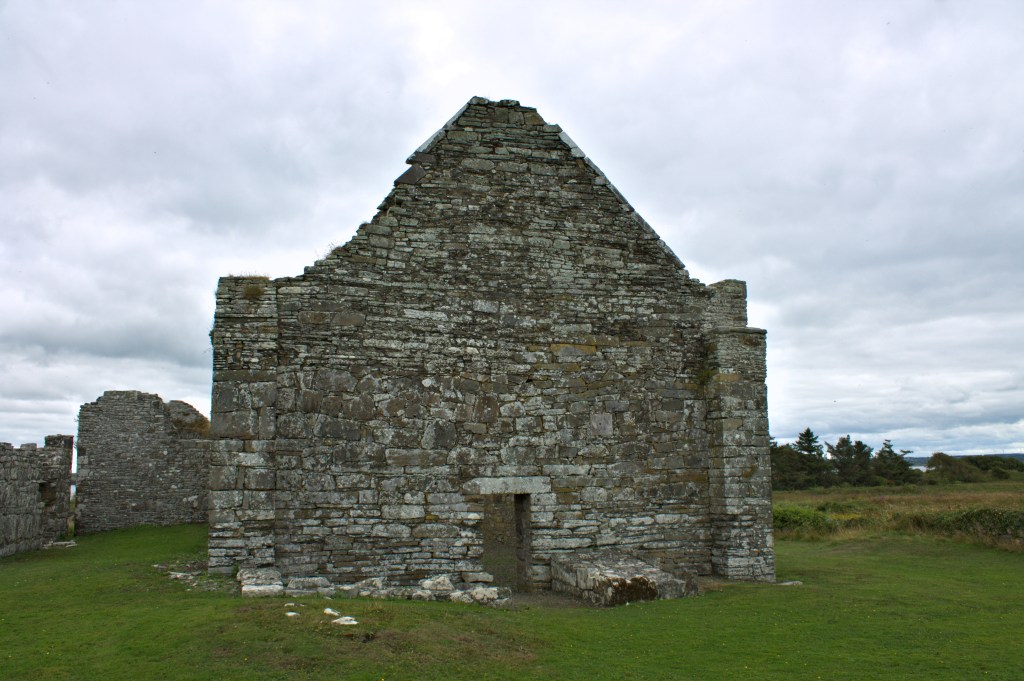




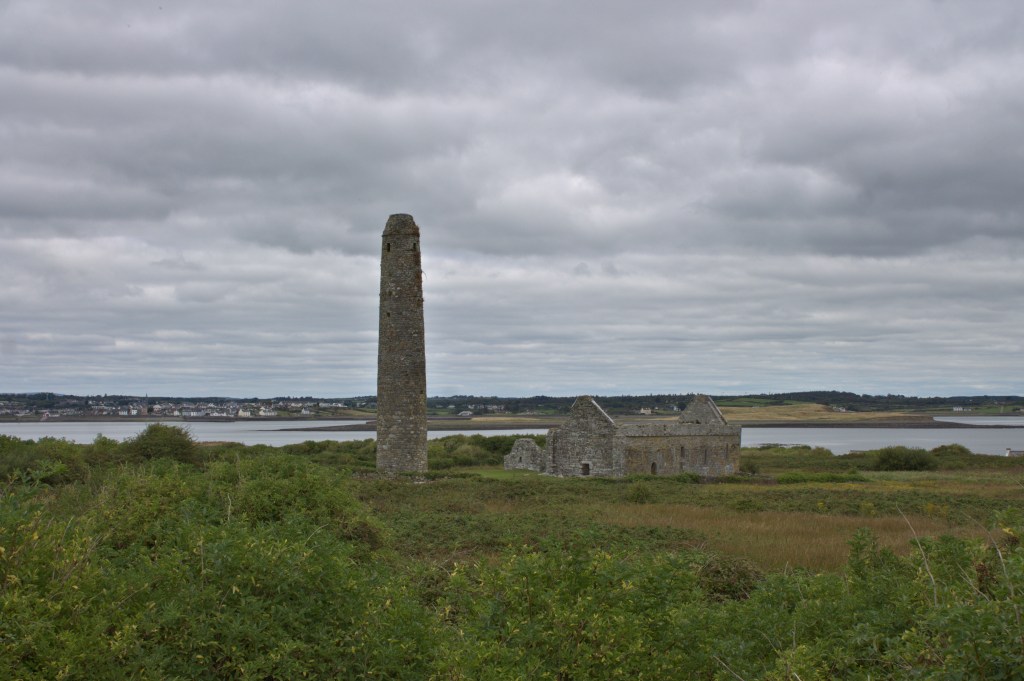

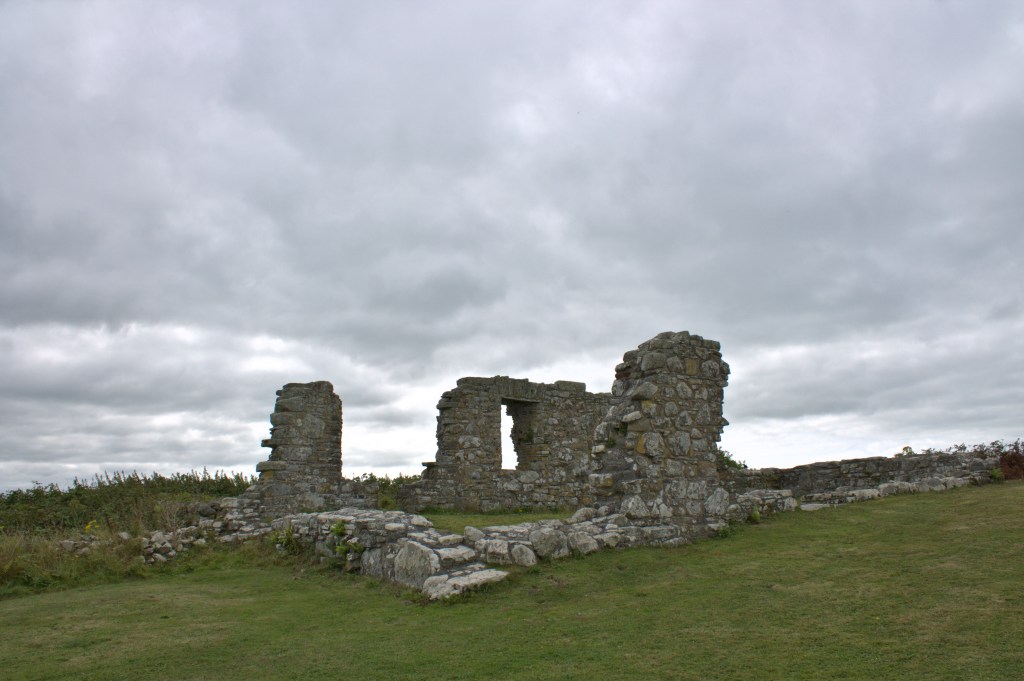
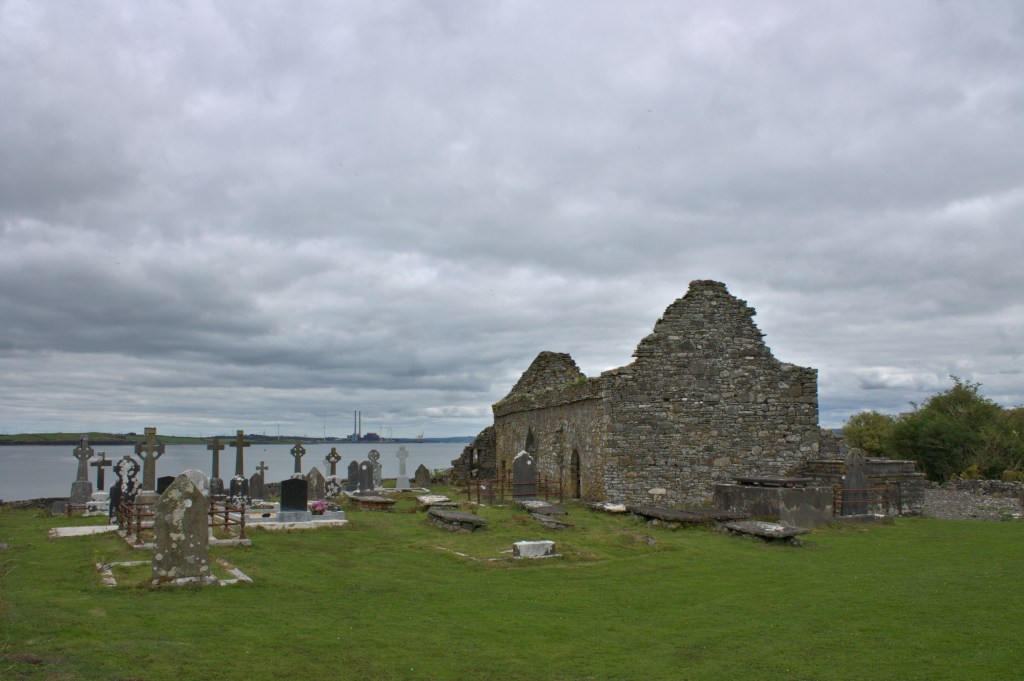
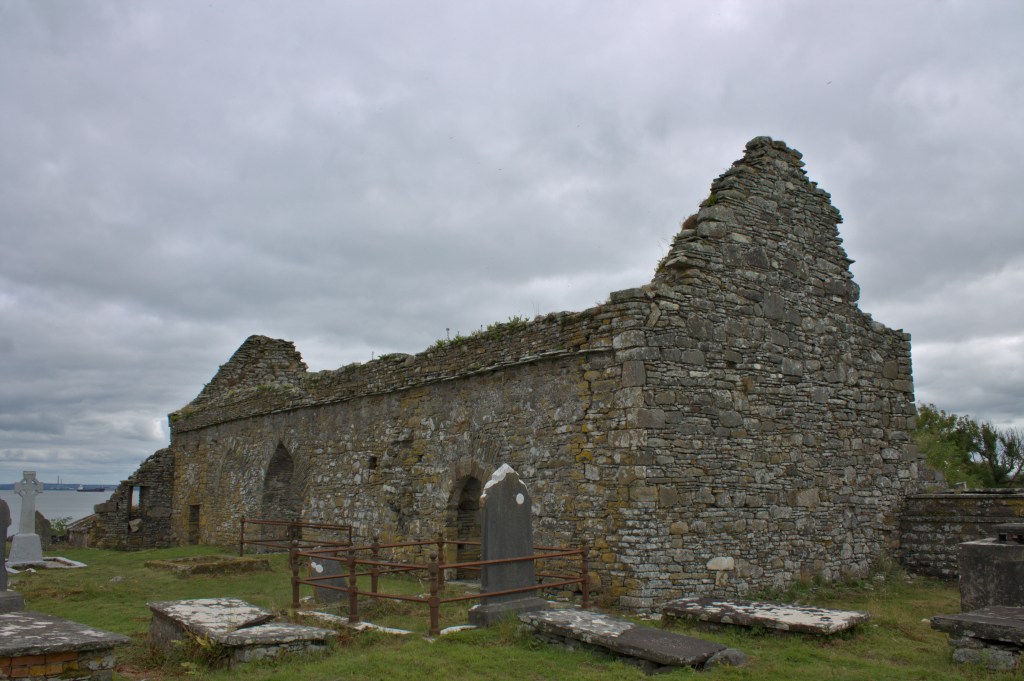
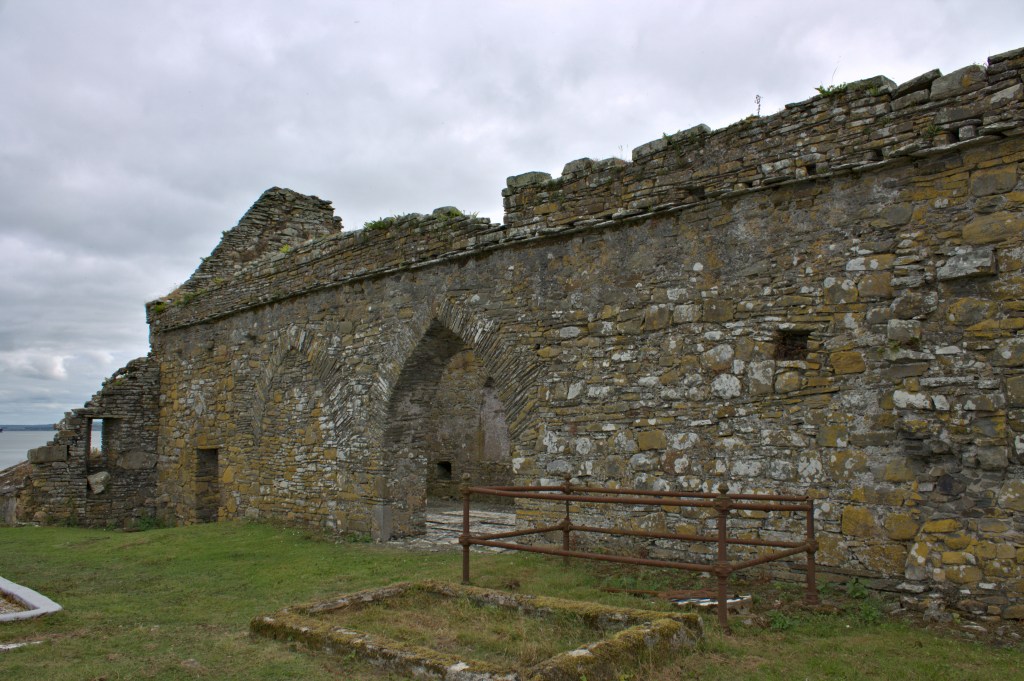
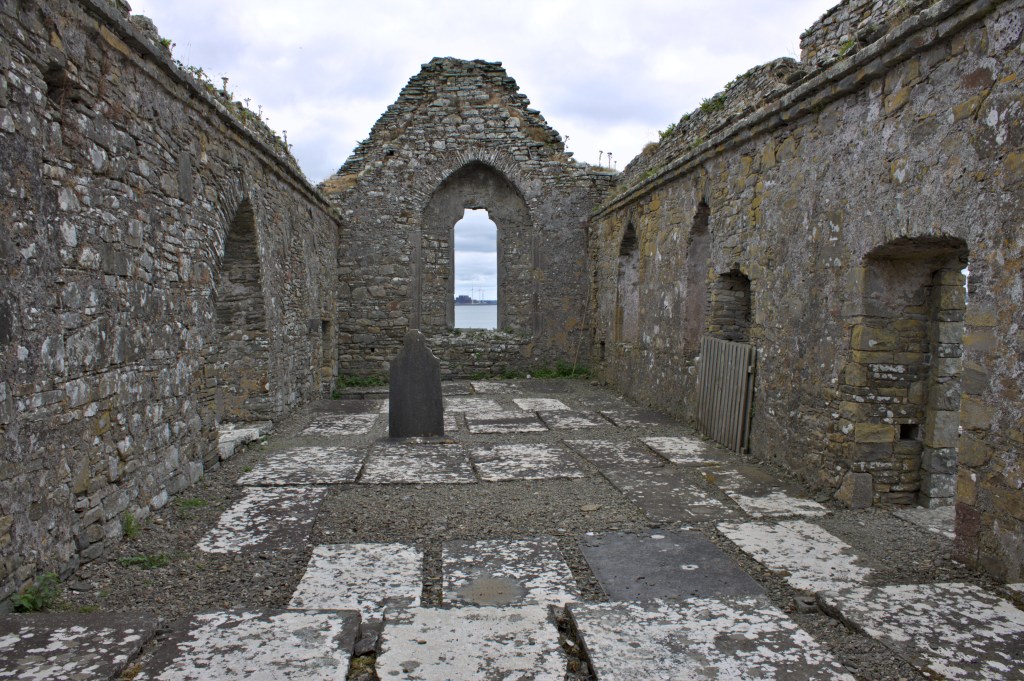
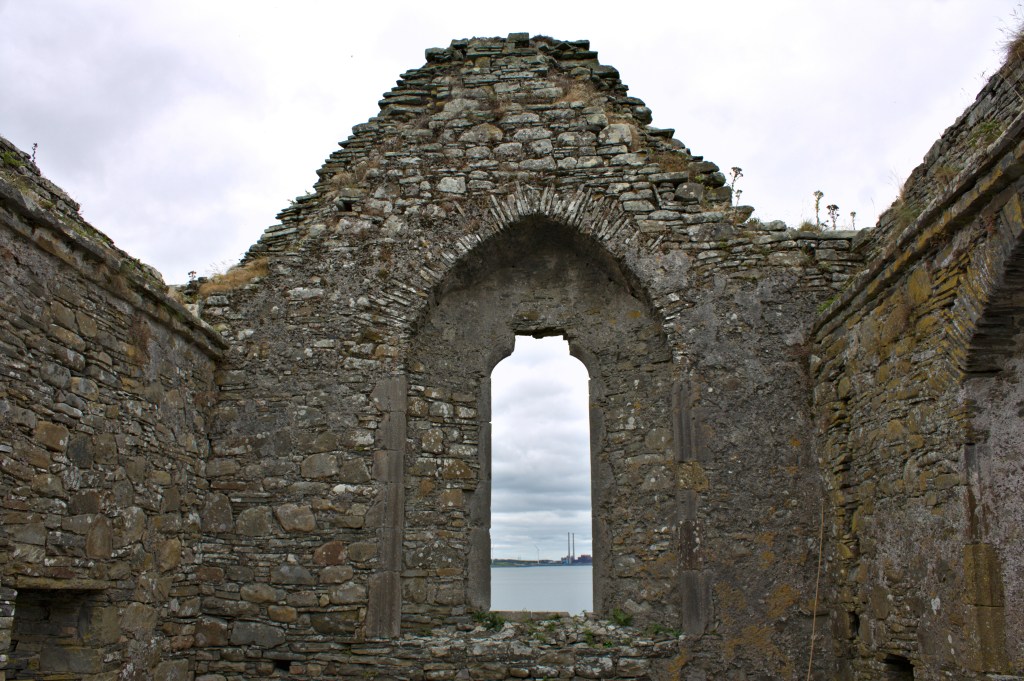
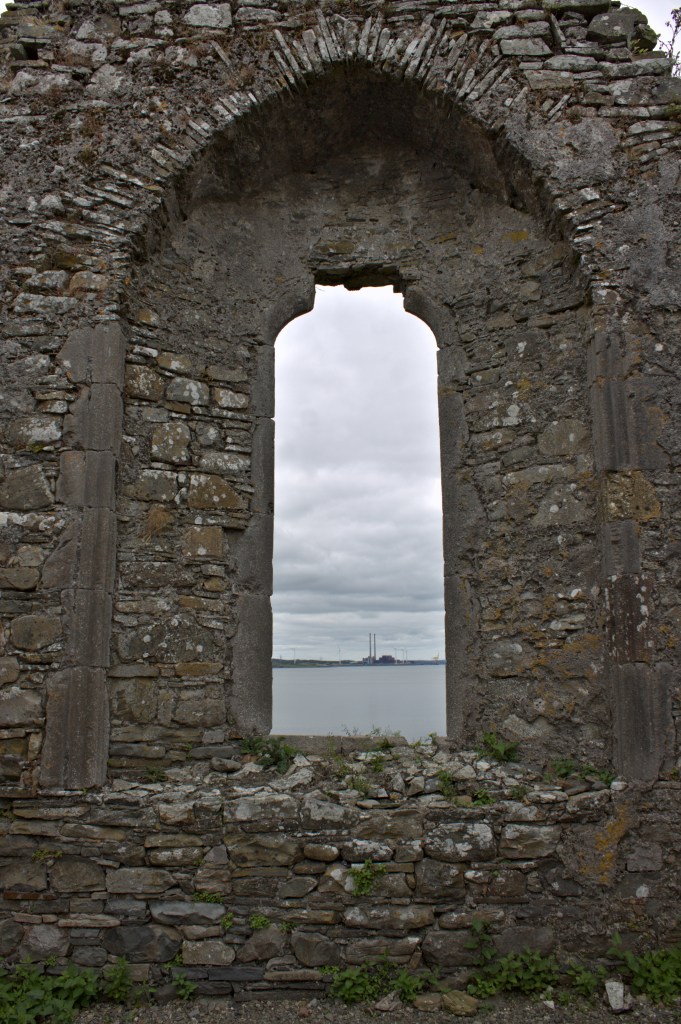
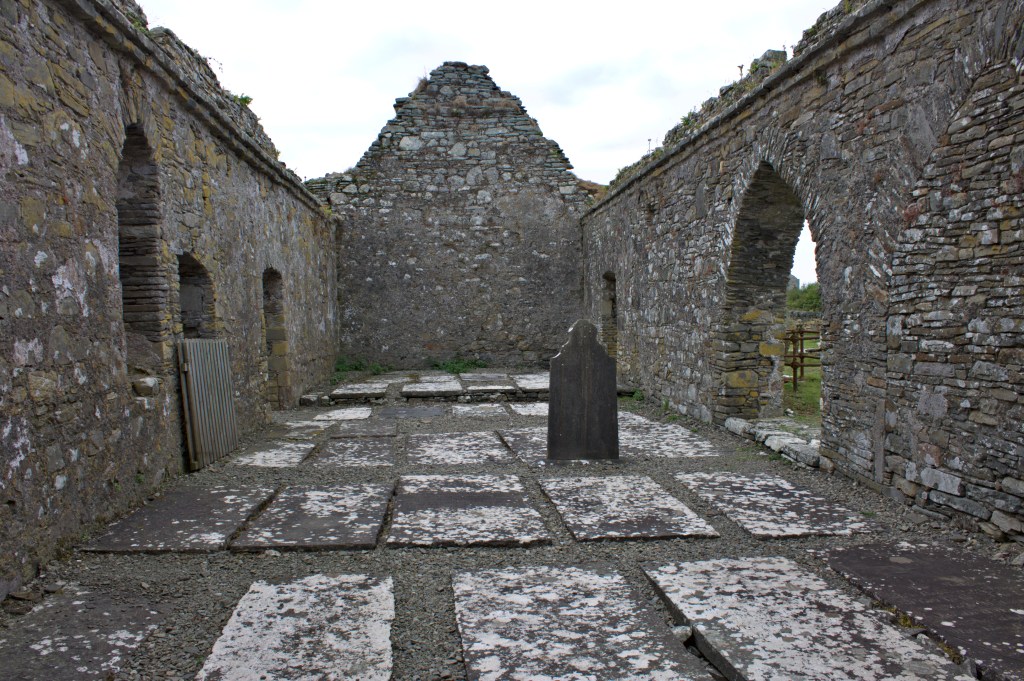

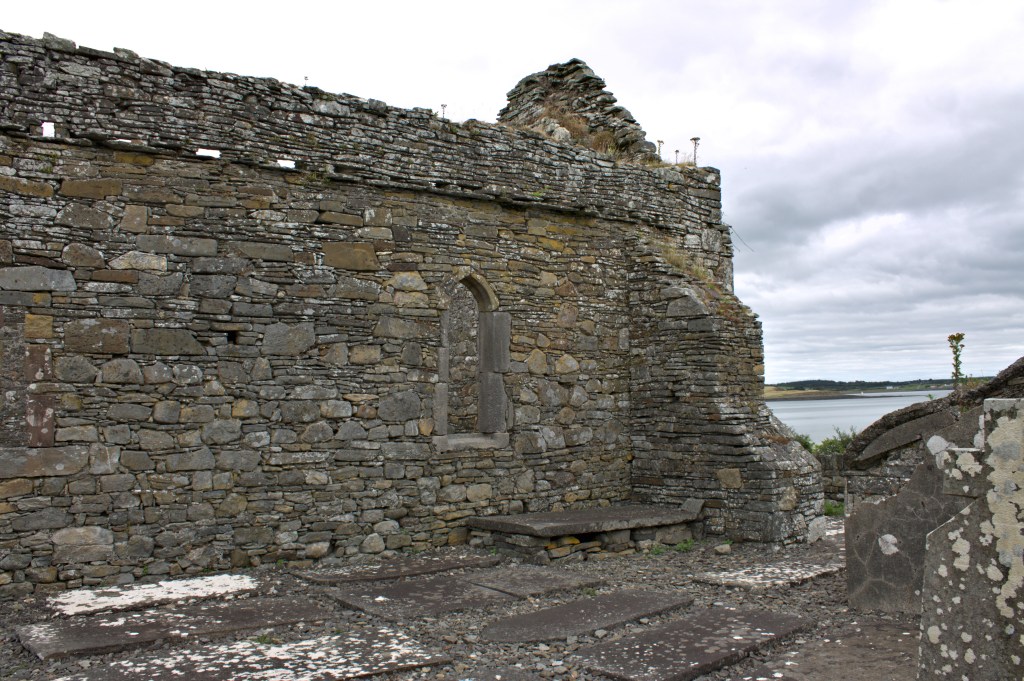

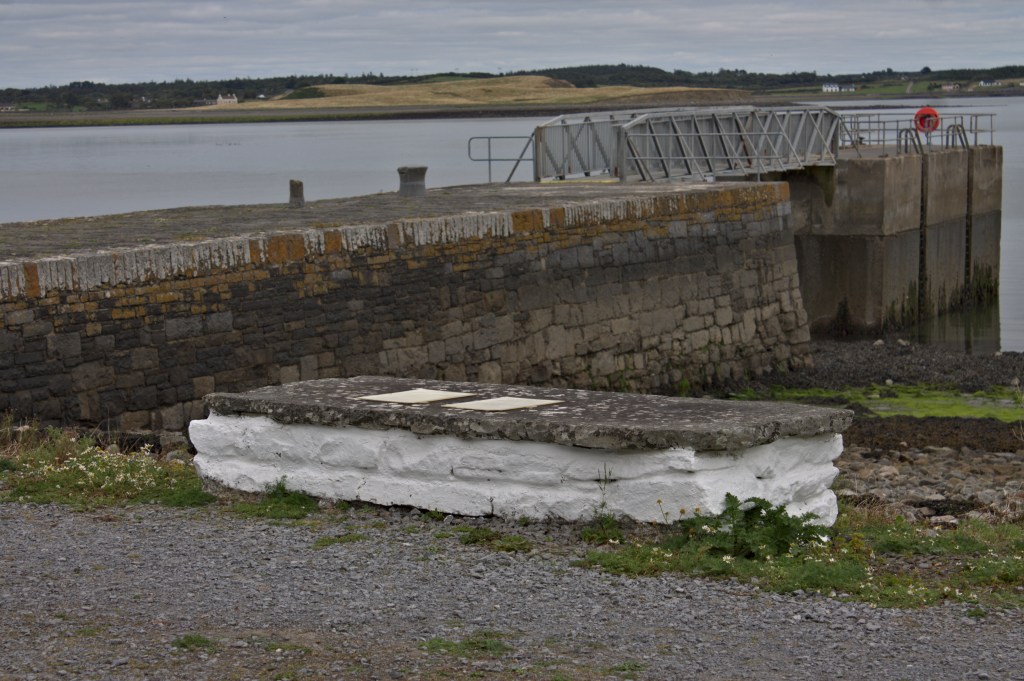
Scattery Island, known in Irish as Inis Cathaigh is a small island situated in the Shannon Estuary off the coast of Kilrush in County Clare. There are the remains of several monastic buildings, churches and a round tower scattered across the island. The history of the island is steeped in folklore and even its name derives from a mythical beast who once lived there. It was said that prior to Saint Senan’s arrival the island was uninhabitable as a sea serpent known as the Cathach ruled the land, devouring sailors and keeping the island to itself. Legend says that in 532 AD Saint Senan was led or placed on the highest point of the island by an angel (often said to have been the Archangel Michael) and here he confronted the monster with his arms spread apart in prayer. In the name of the trinity he ordered the serpent to leave and the defeated Cathach fled to the waters of Doolough Lake near Slievecallan. The site from where the beast was defeated is now home to one of the most ruined churches on the island, this being Ard na nAingeal (Church of the Hill of the Angel).
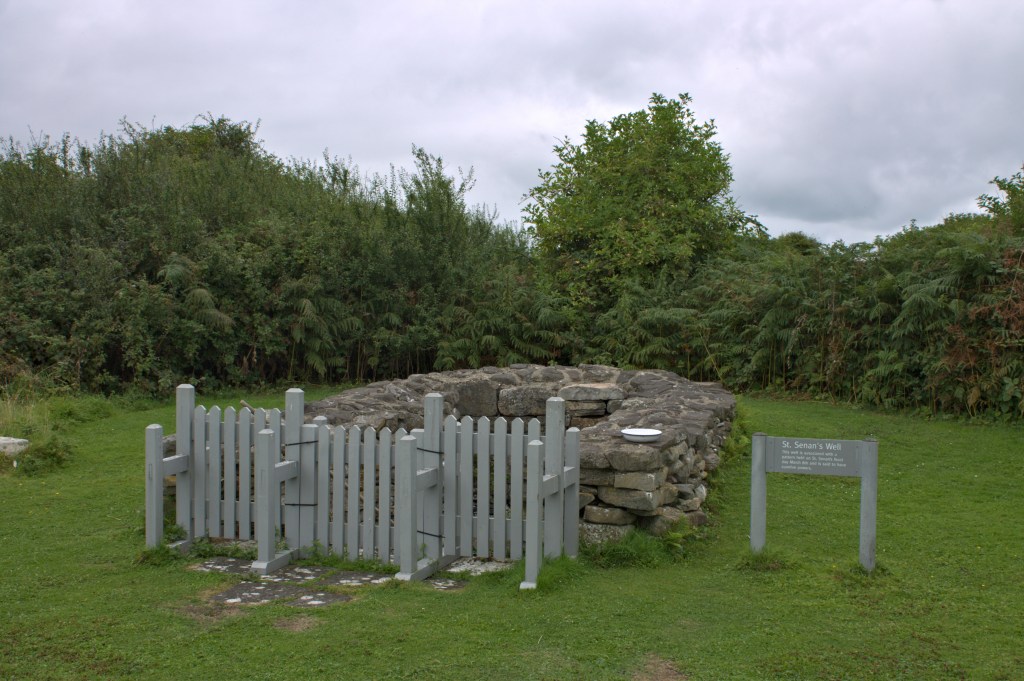
The monastic site was known for the fact that no women were allowed to live on or visit the island in antiquity even though Senan had established two convents on the mainland. One legend refers to a Saint Cannera, who it is believed was a relative (she is listed as cousin or sister in different sources) of Senans had it written into her will that she should be buried on the island as she wished to be near Senan when he died. As Senan didn’t want to betray his own edicts nor fail to follow the request of the deceased he waited until low tide and brought her body to rest in the intertidal zone or the foreshore. St Senan died in 560AD and was buried in the abbey church on Scattery on 8th March.
Scattery Island was first raided by Vikings in 815 and the was attacked repeatedly over the next 100 years, including an assault by Ivar the Boneless in 866. In the mid 10th century the Vikings settled the island and the Viking leader Ivar of Limerick used Scattery as an important naval base. In 977 the infamous Dál gCais leader Bran Boru attacked the island and killed Ivar along with his sons breaking Norse control of the region. However further raids took place in 1057 by Dublin Norsemen along with forces from Leinster and again in 1101 by the Vikings of Magnus Barelegs (King of Norway).
After the Synod of Ráth Breasail in 1111 a canonical diocese of Inis Cathaig was established. In 1179 in the aftermath of the invasion of the Anglo-Normans Scattery was once again plundered and laid waste by forces under William Howell. In the aftermath it was absorbed by the Diocese of KIllaloe in 1189 but was again restored by Pope Innocent VI in the mid 14th century. Towards the end of the 14th century it was returned to the Diocese of KIllaloe and subsequently merged into the parish of Kilrush.
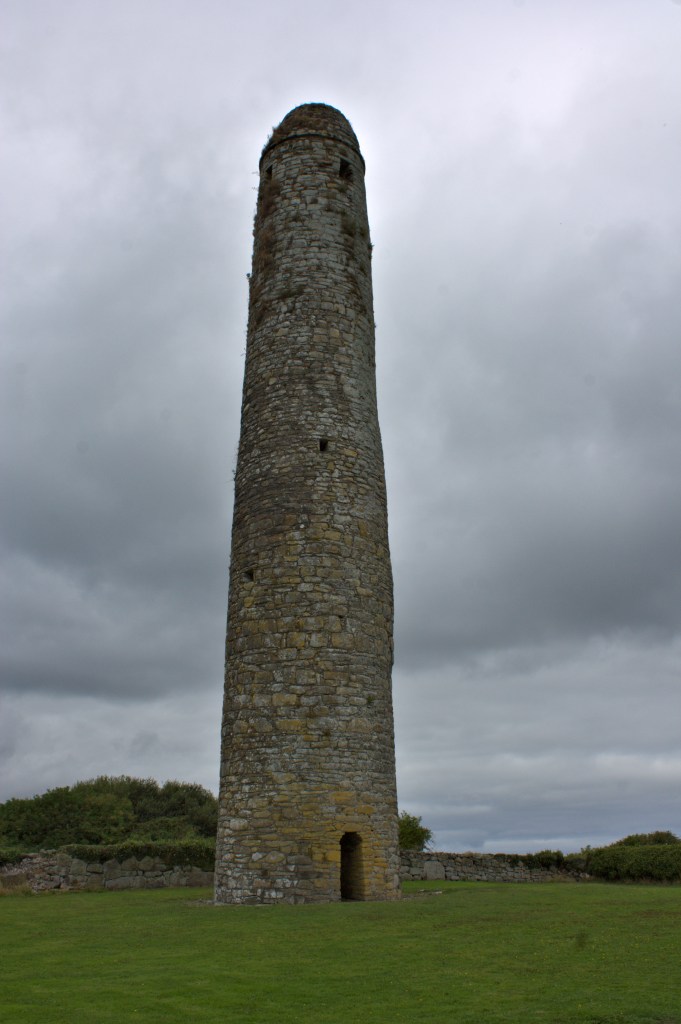
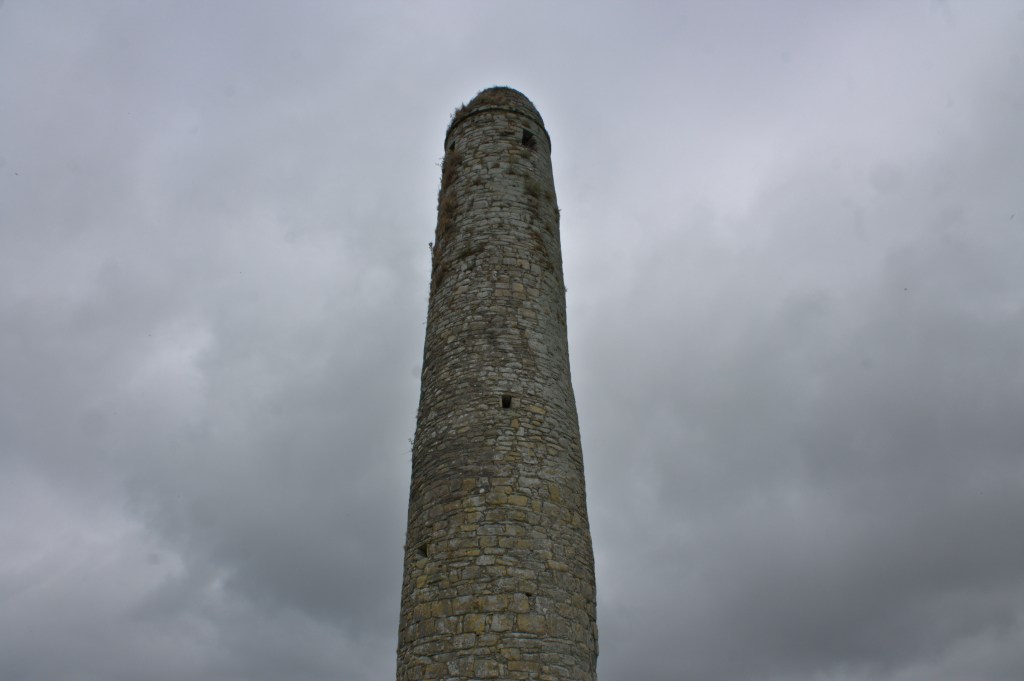
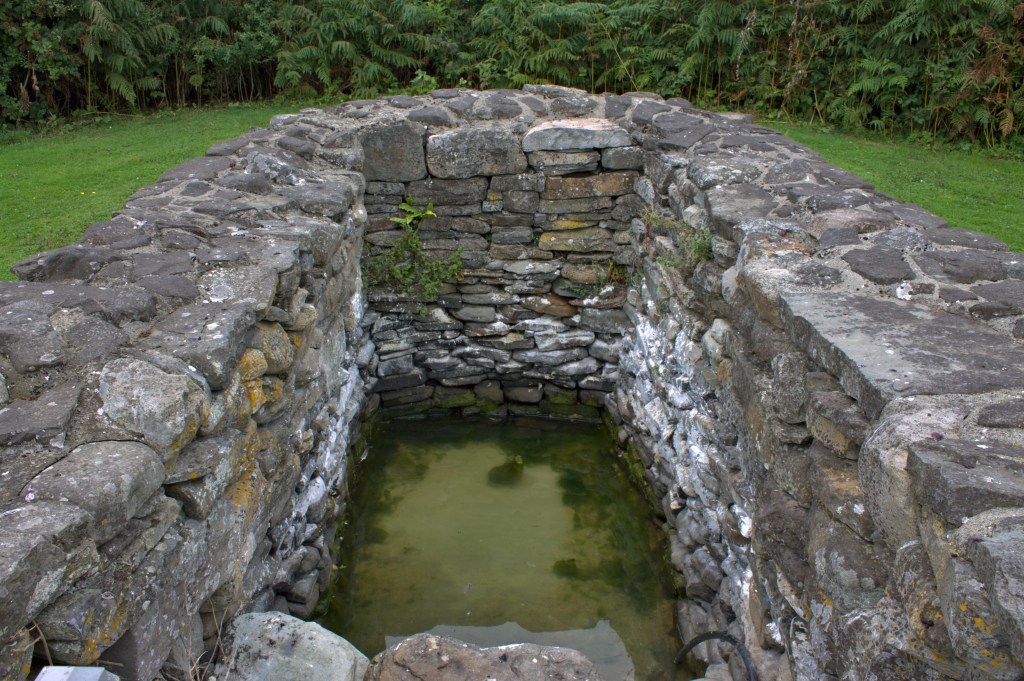
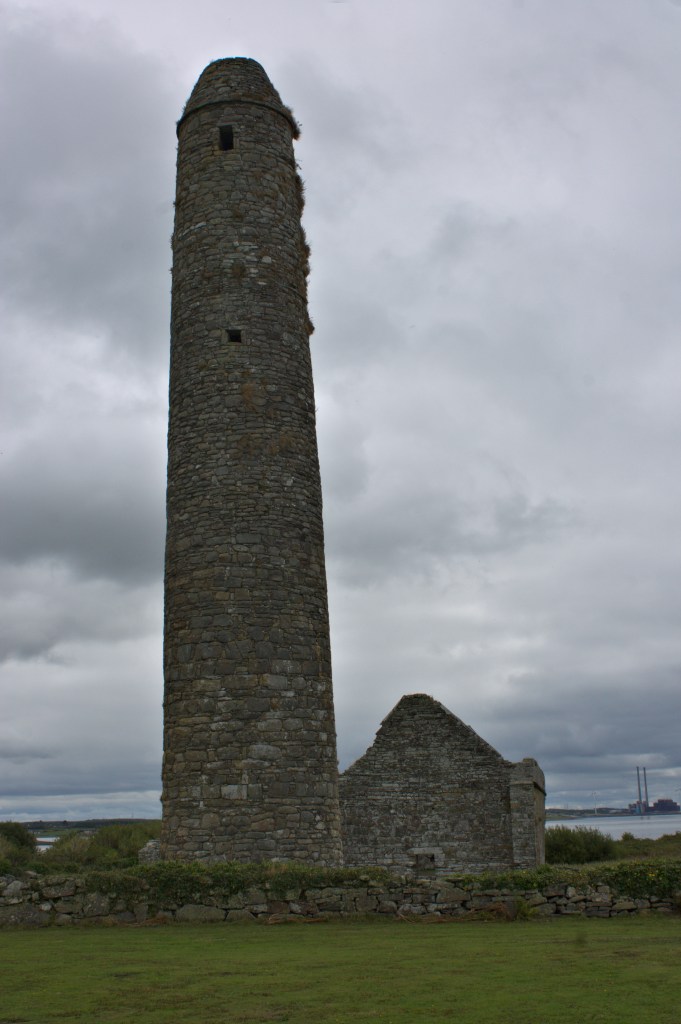
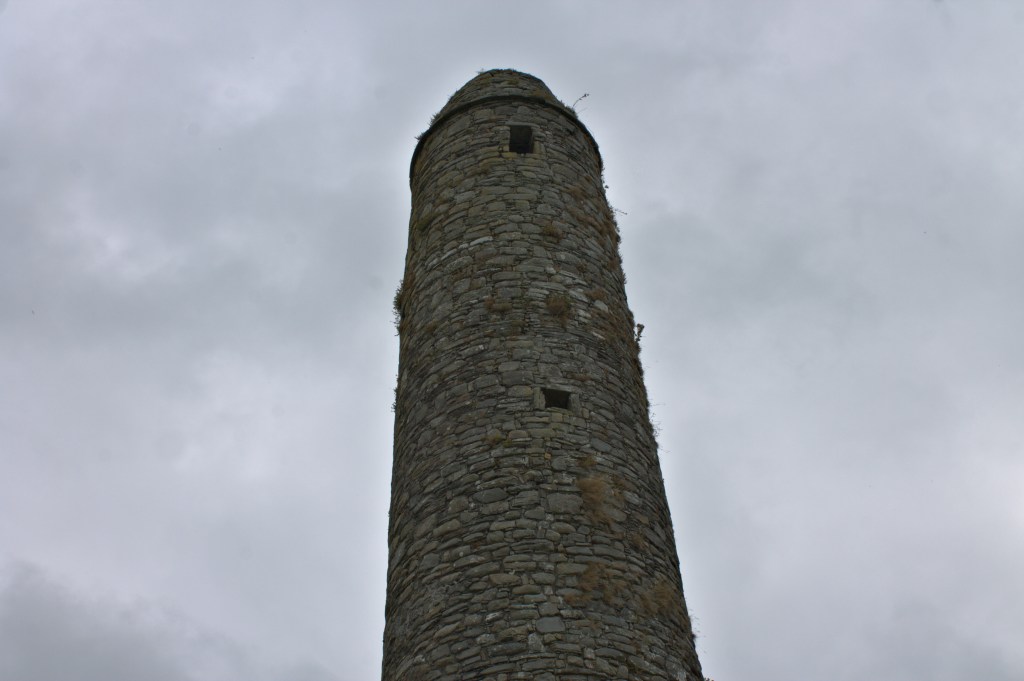
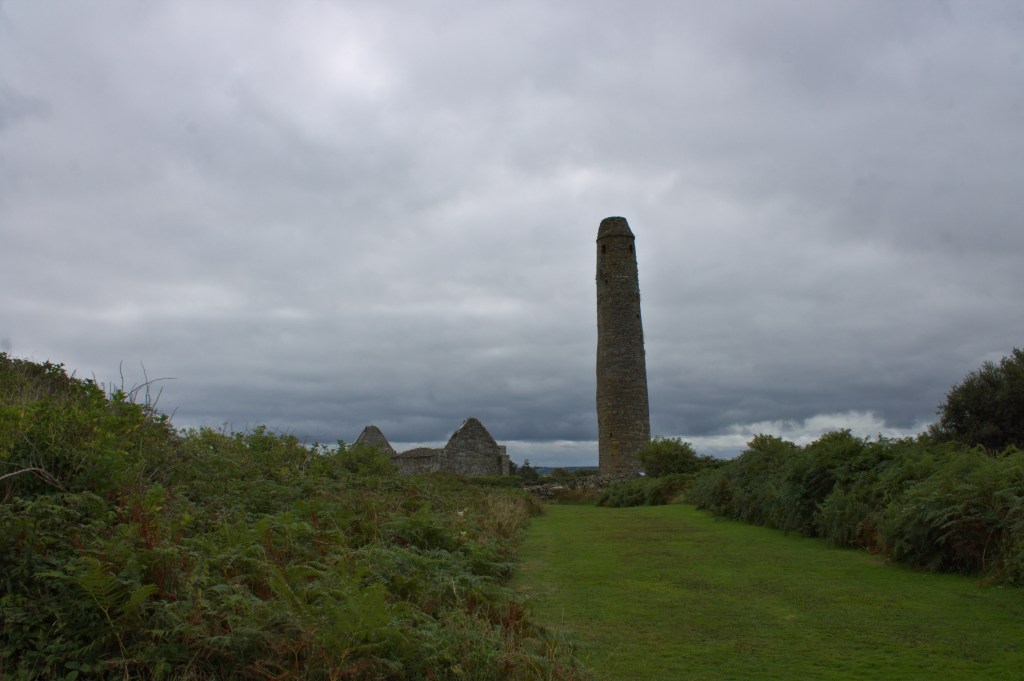
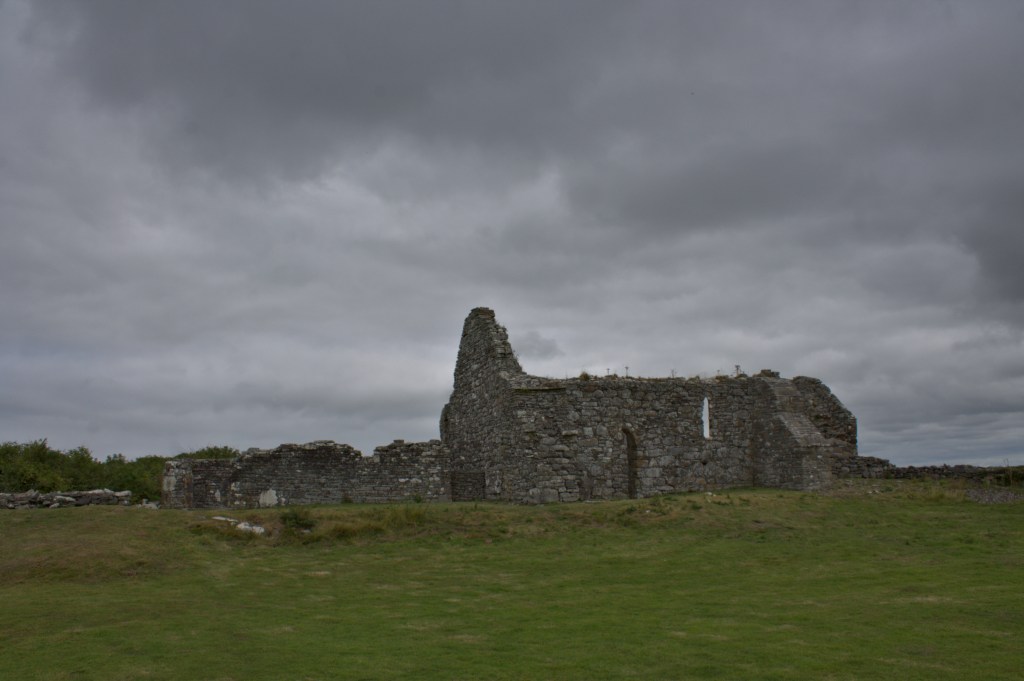
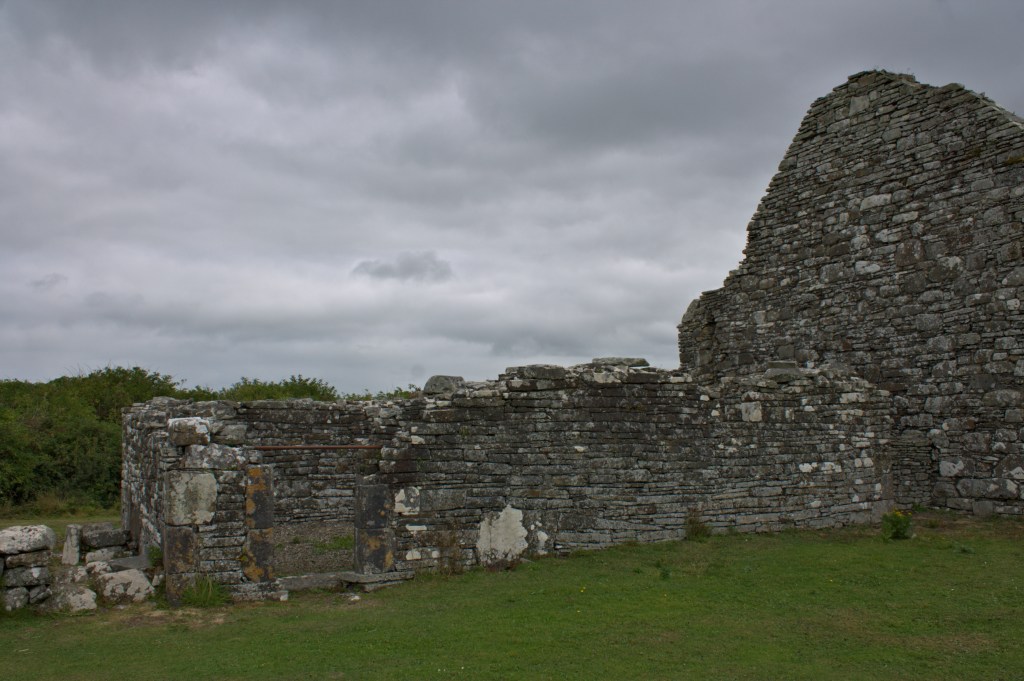
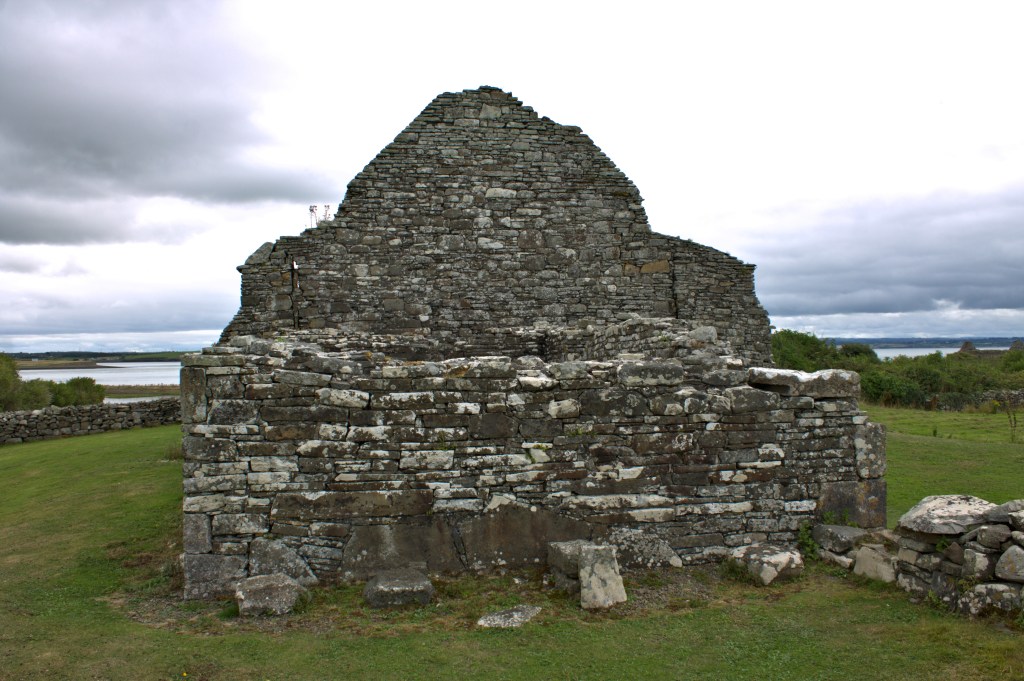
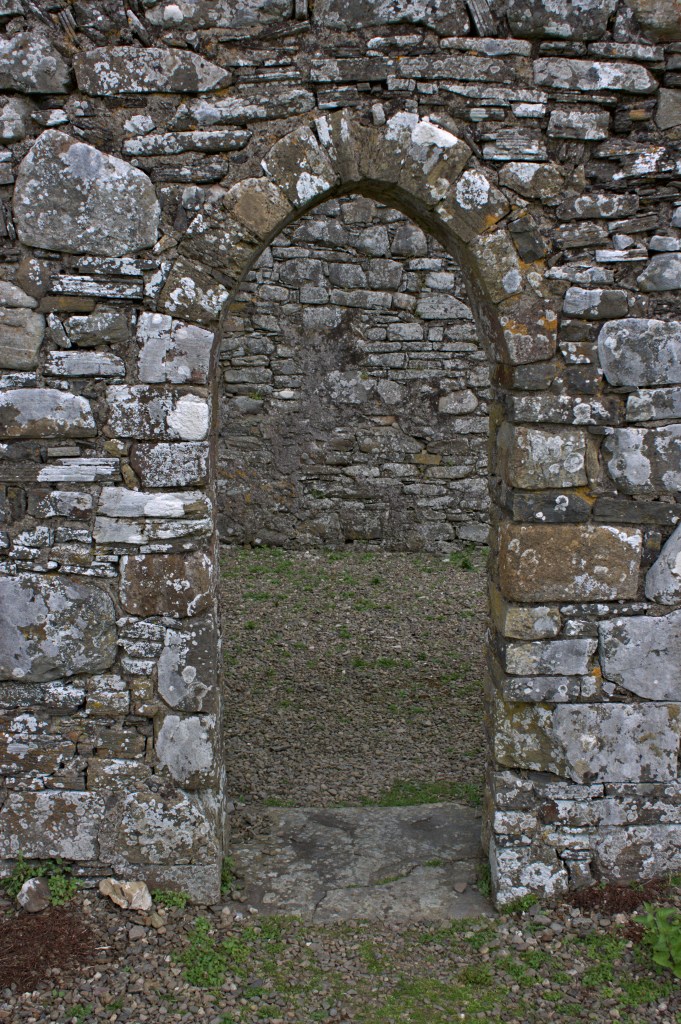
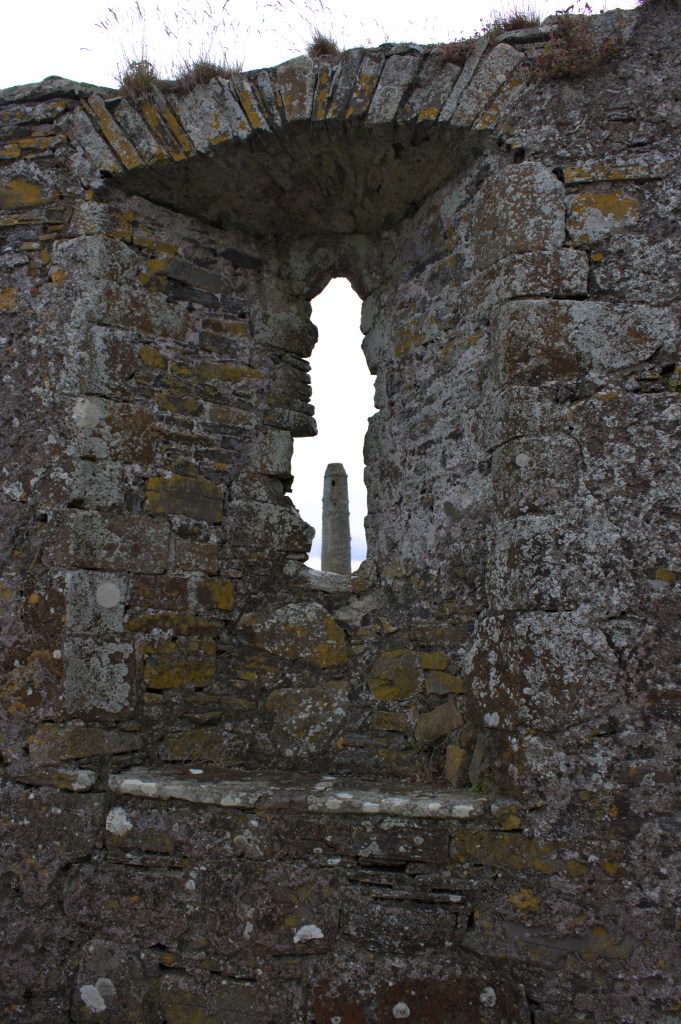
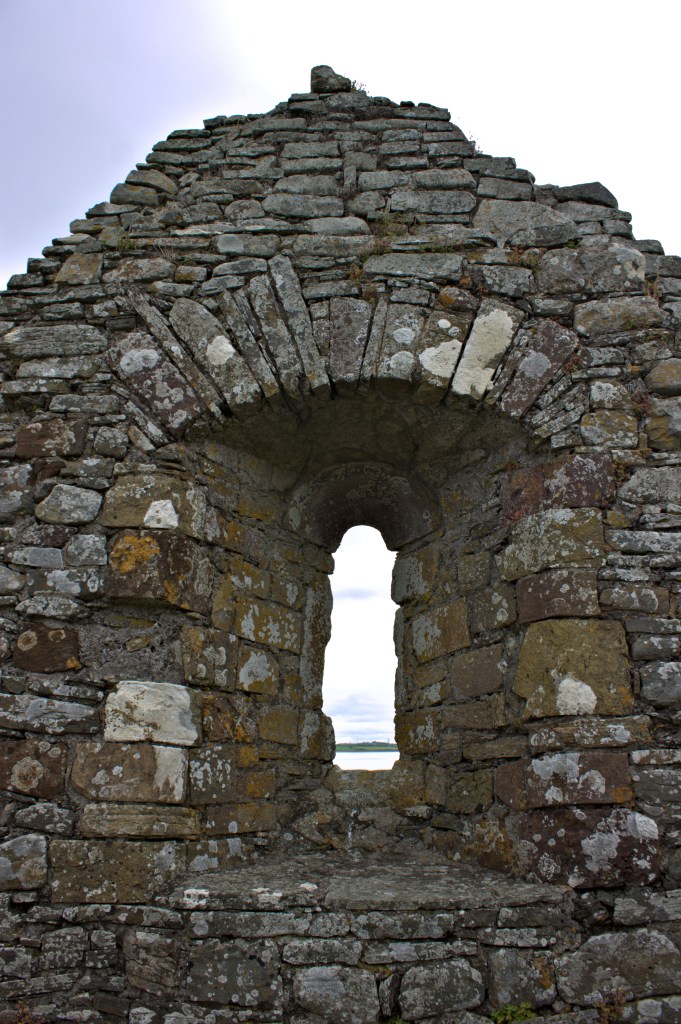
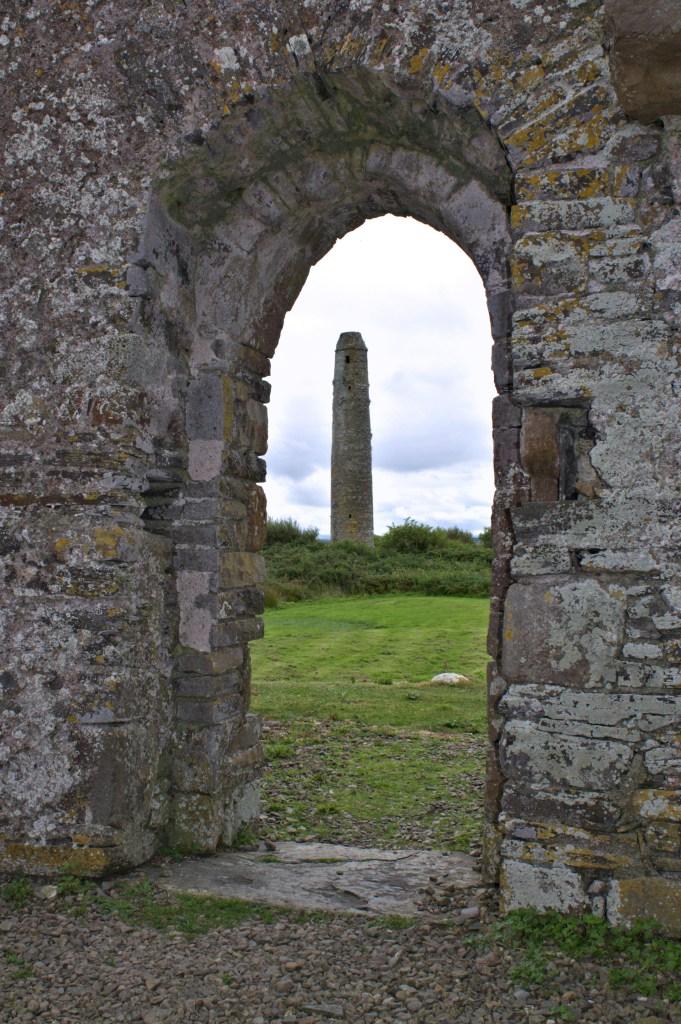
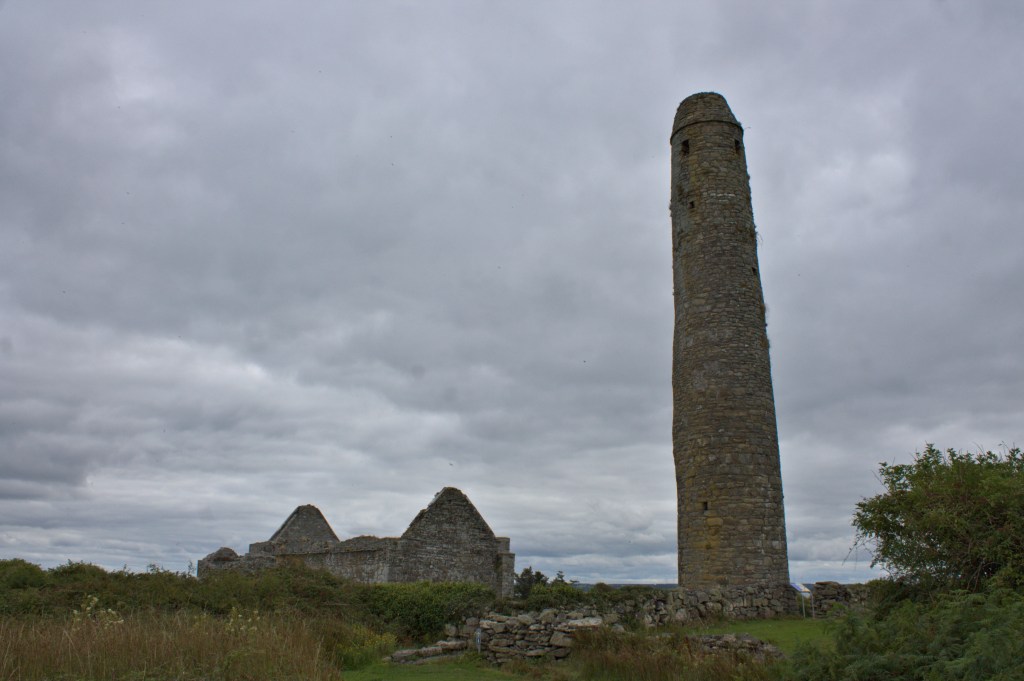
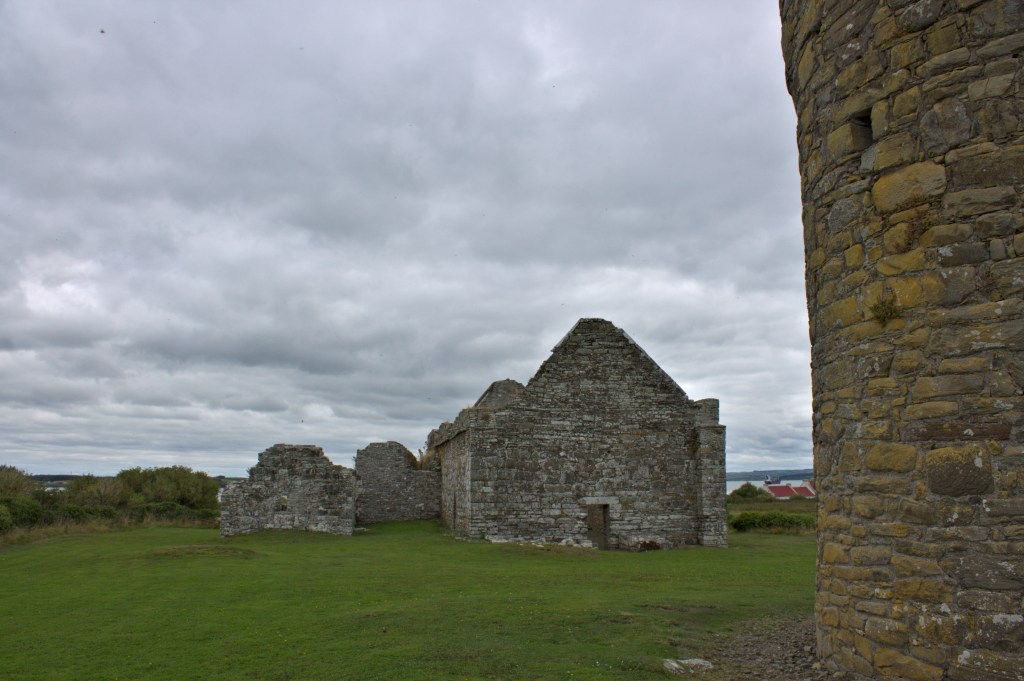
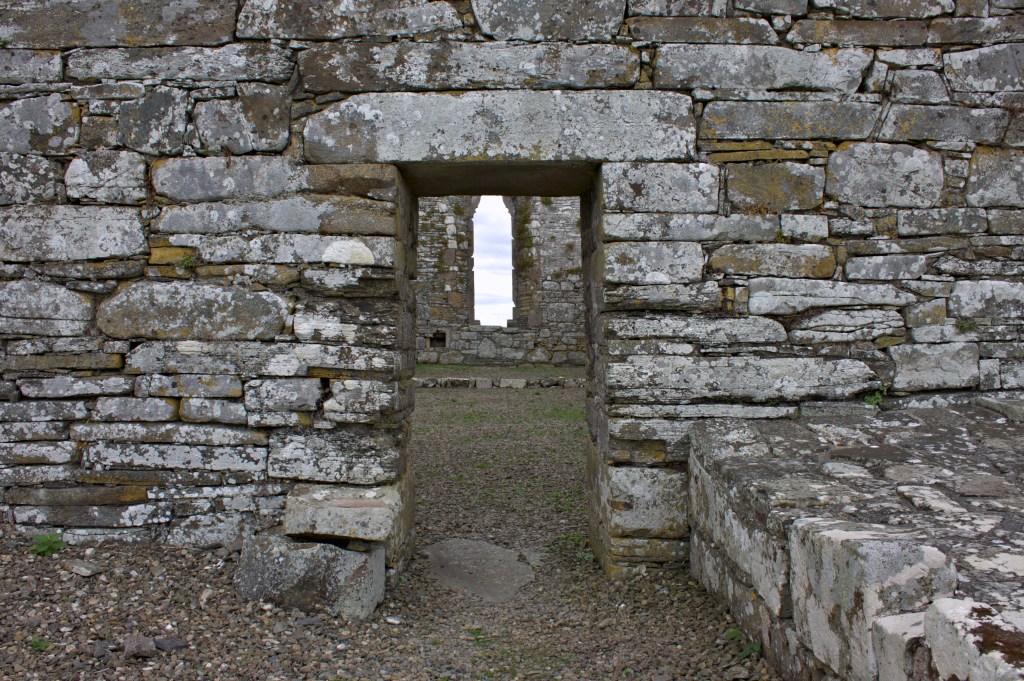
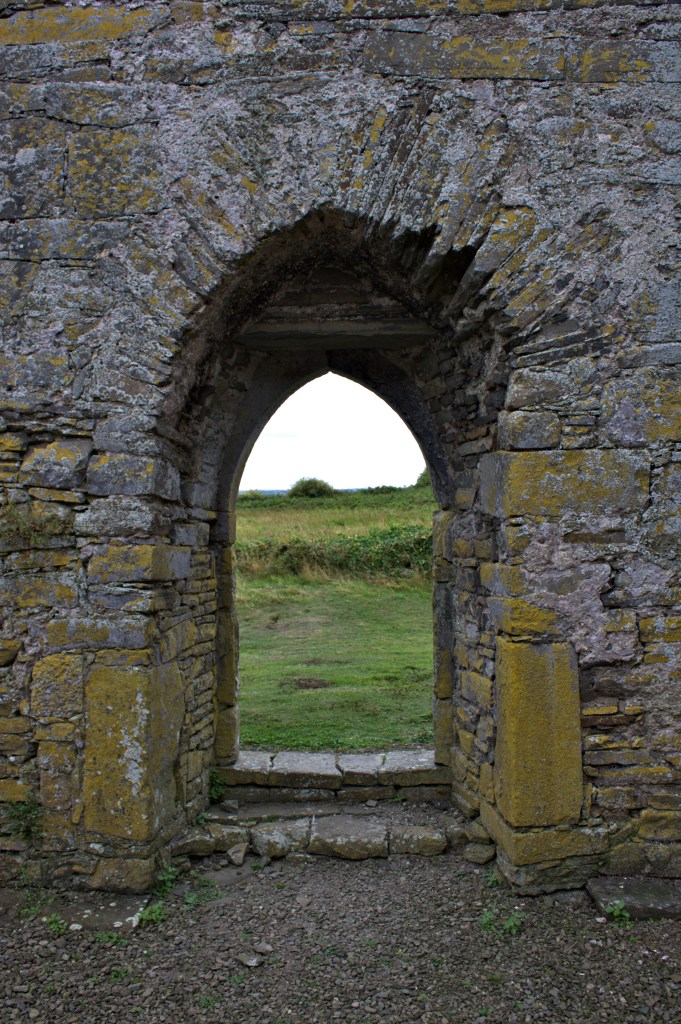
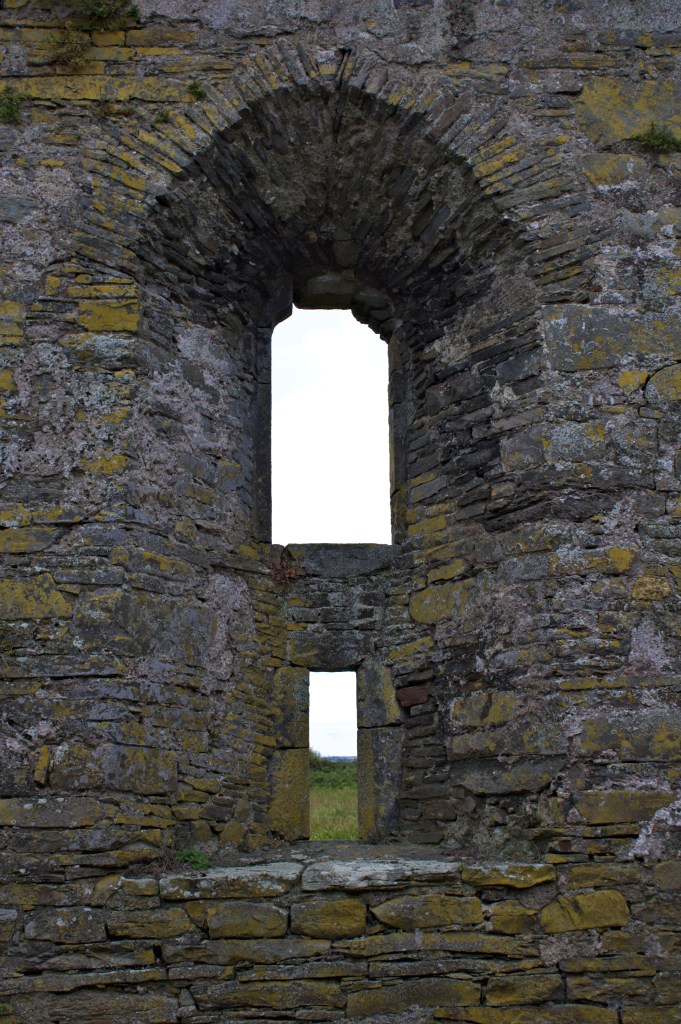
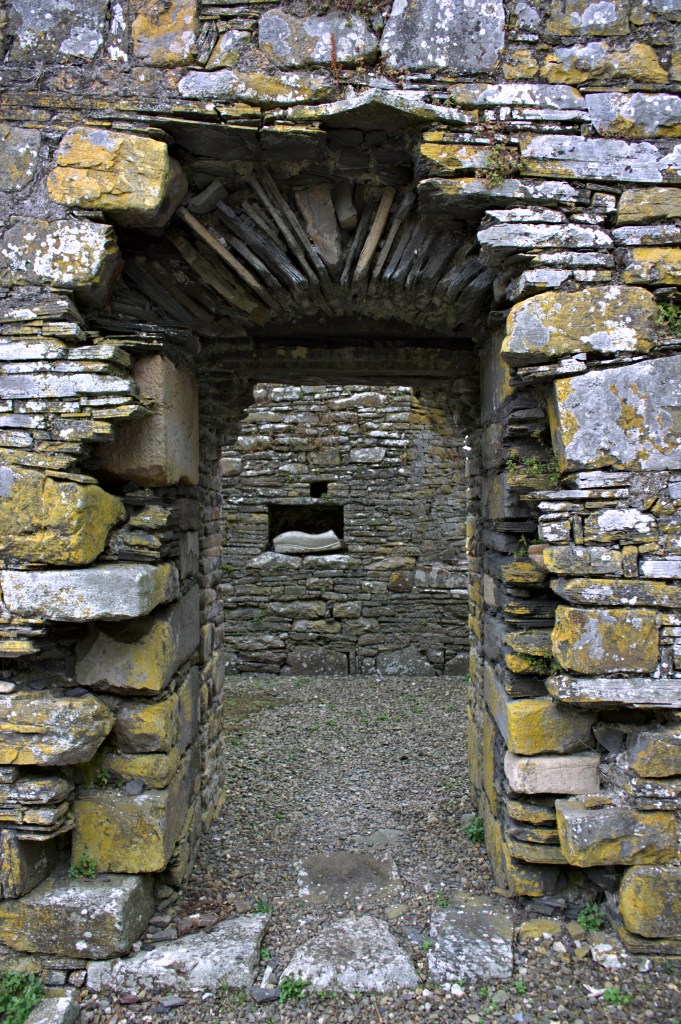
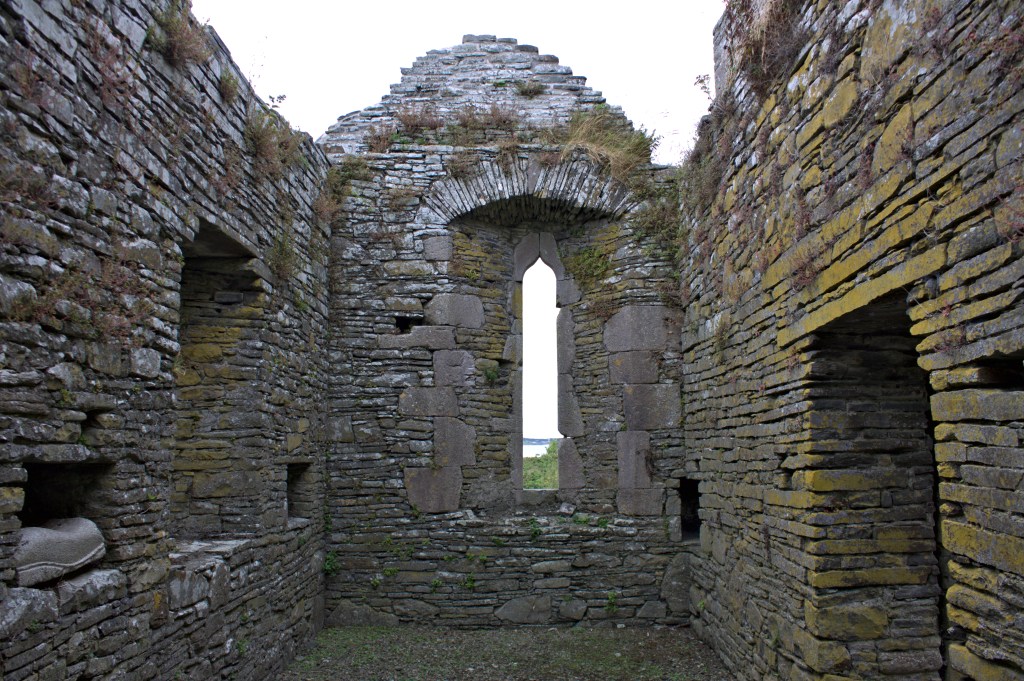
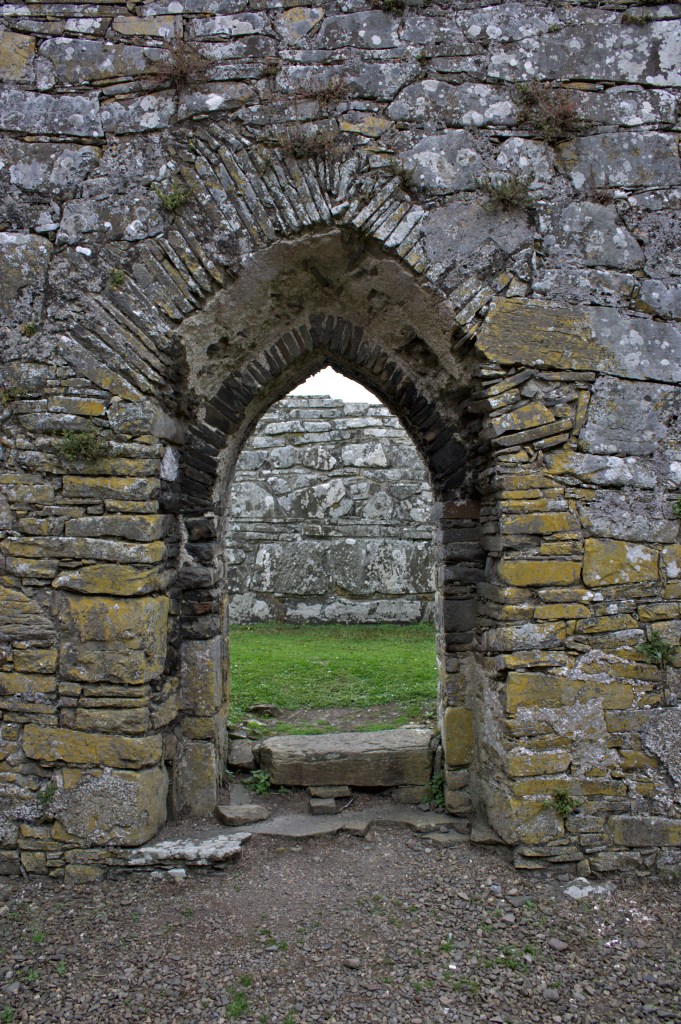
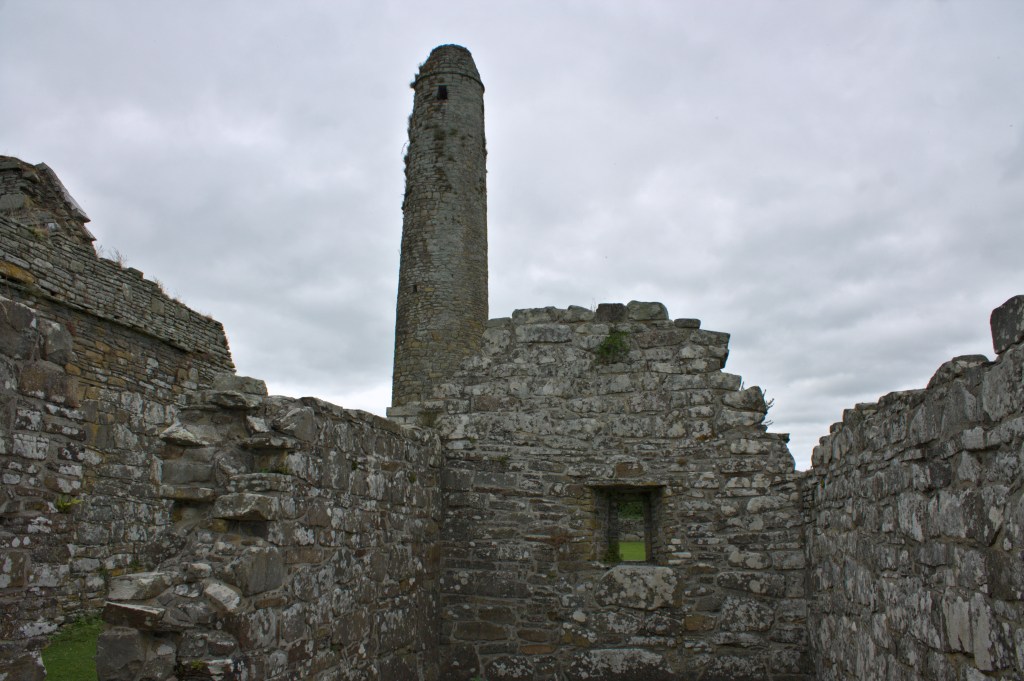
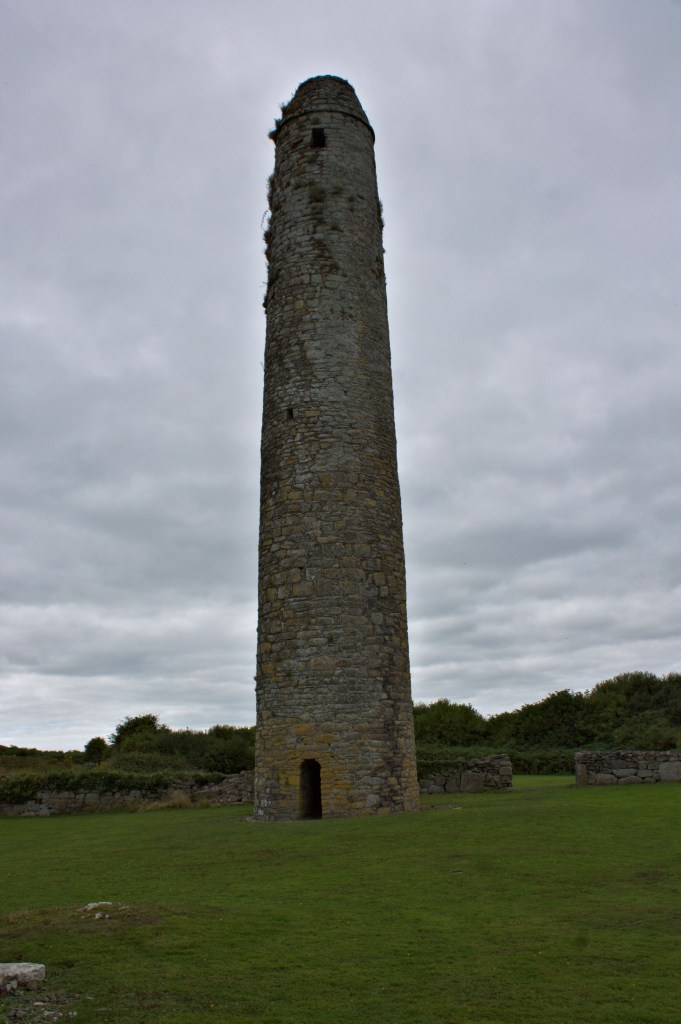
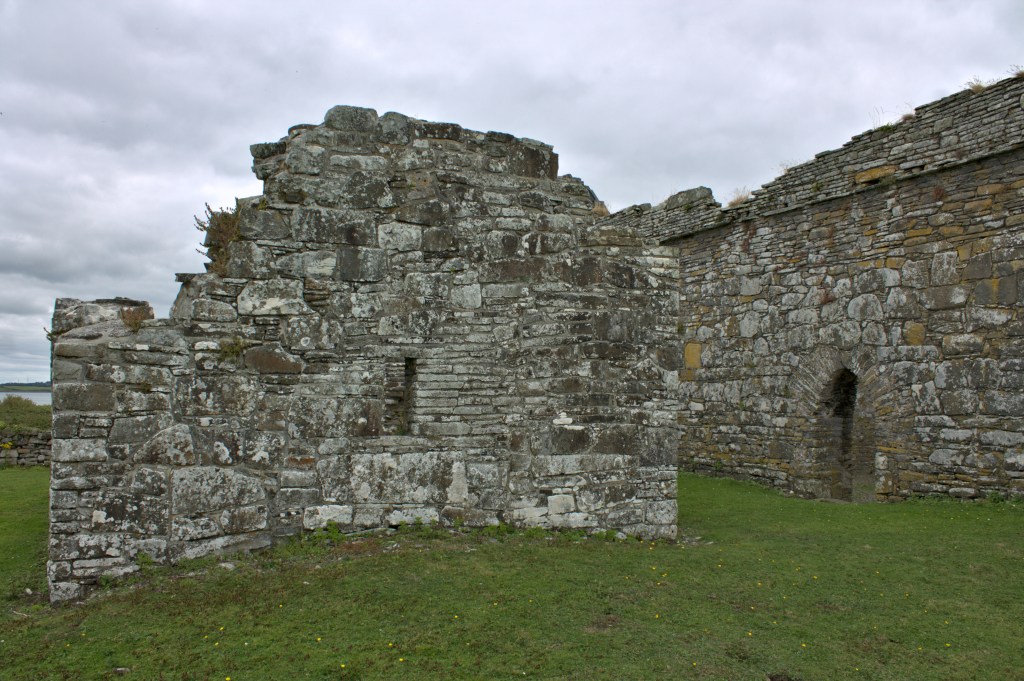
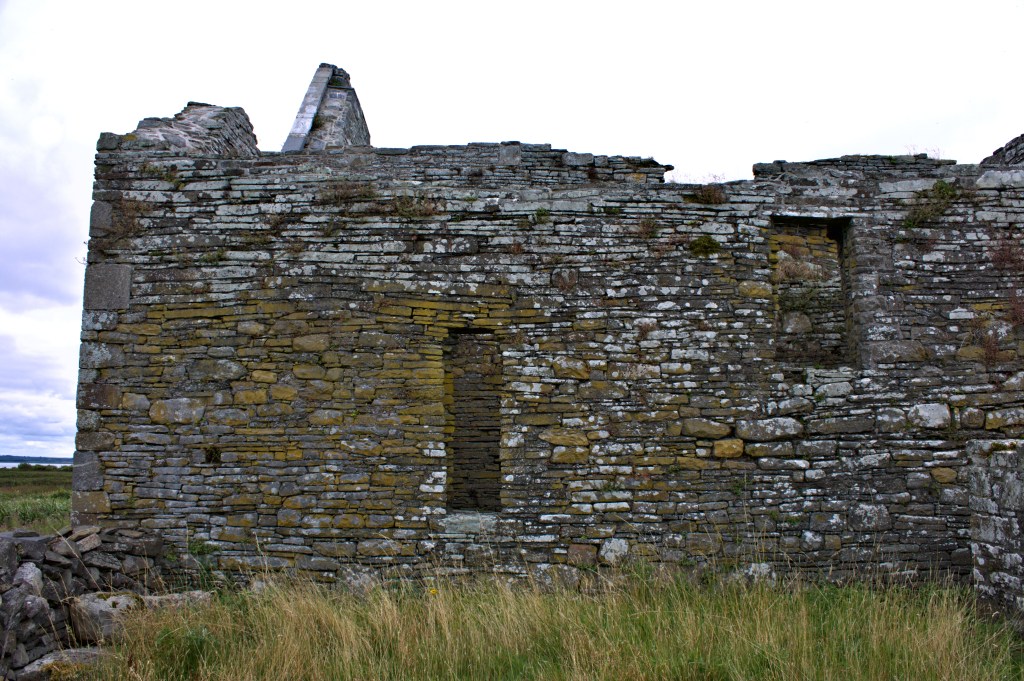
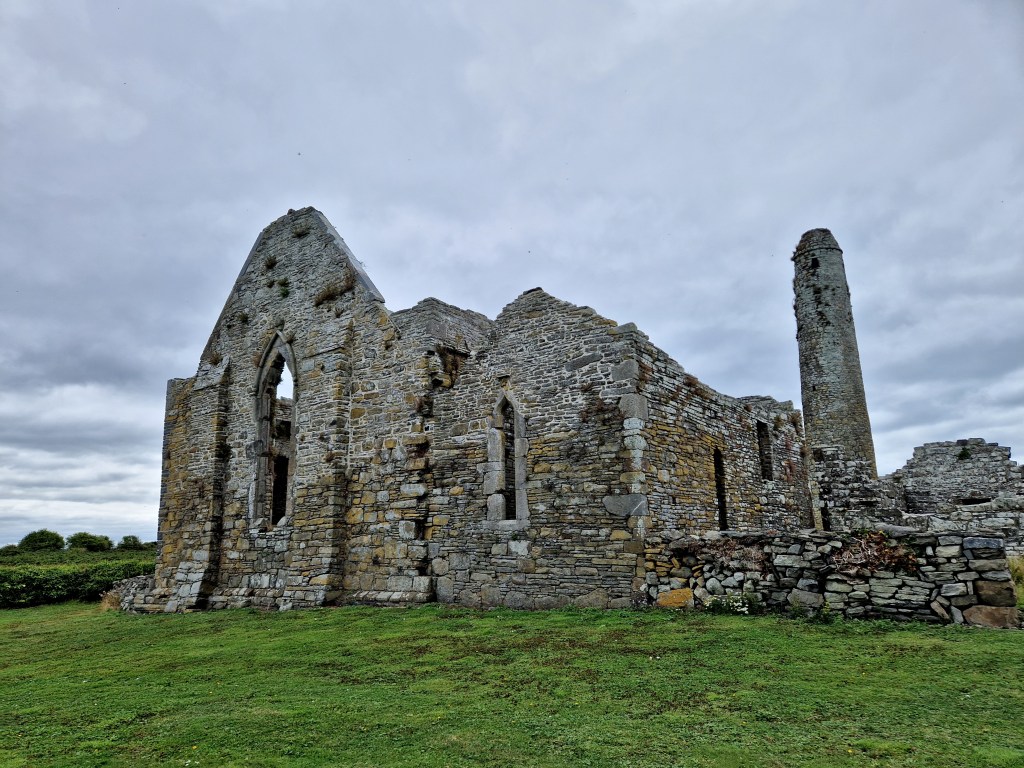
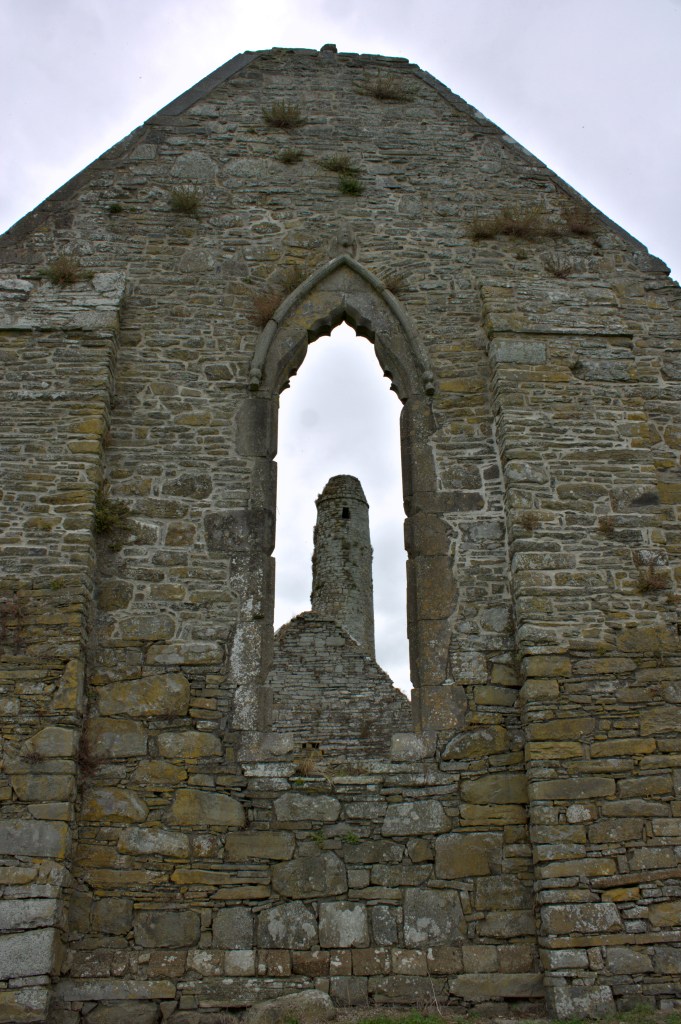
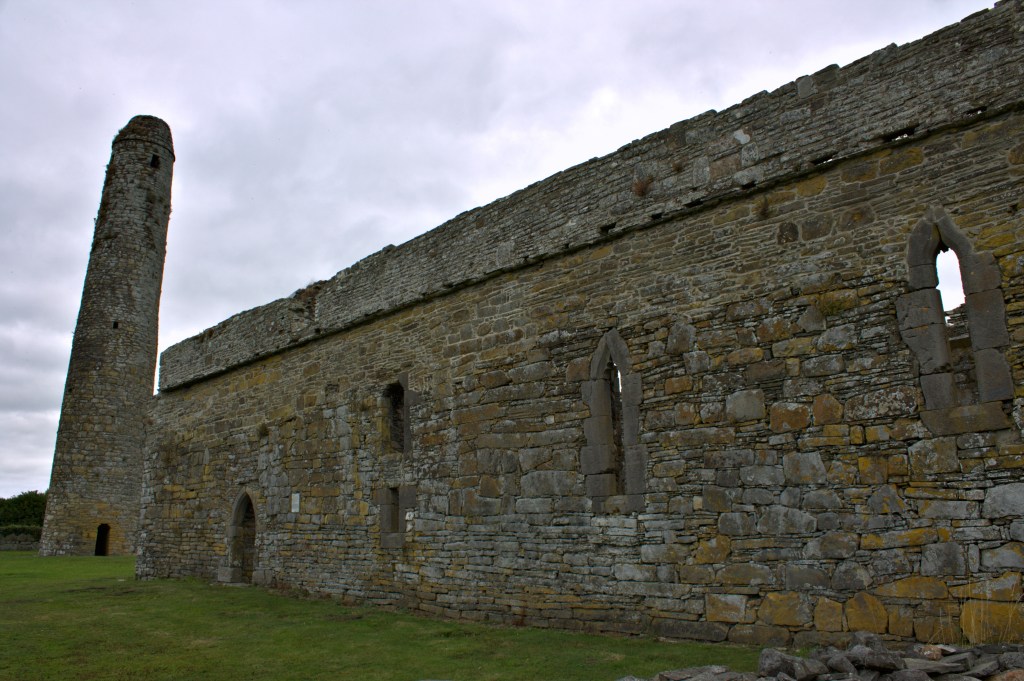
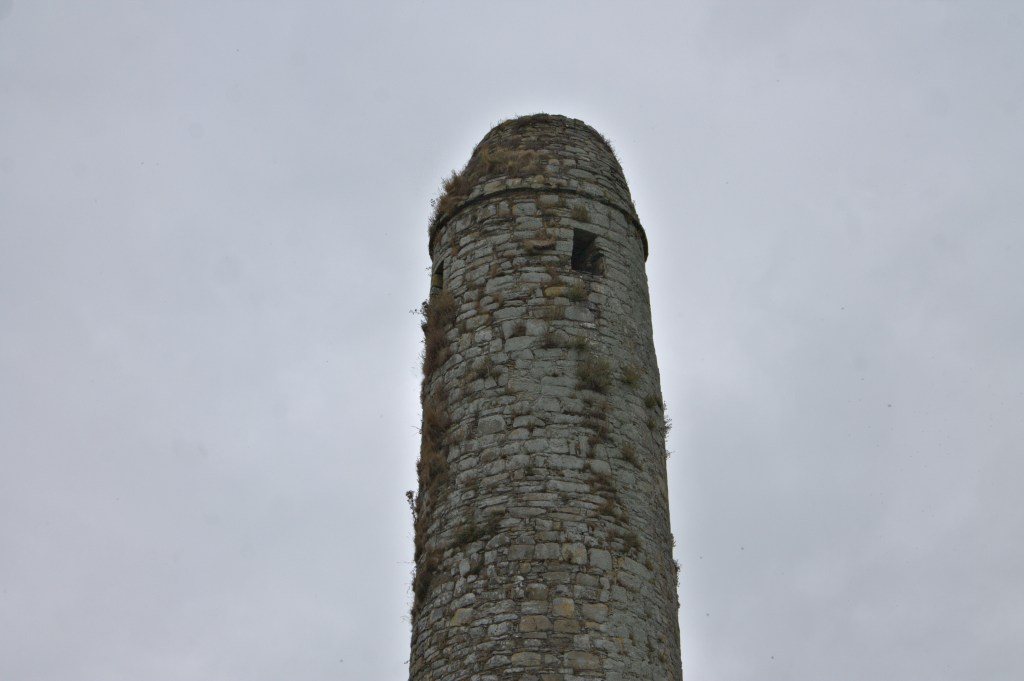
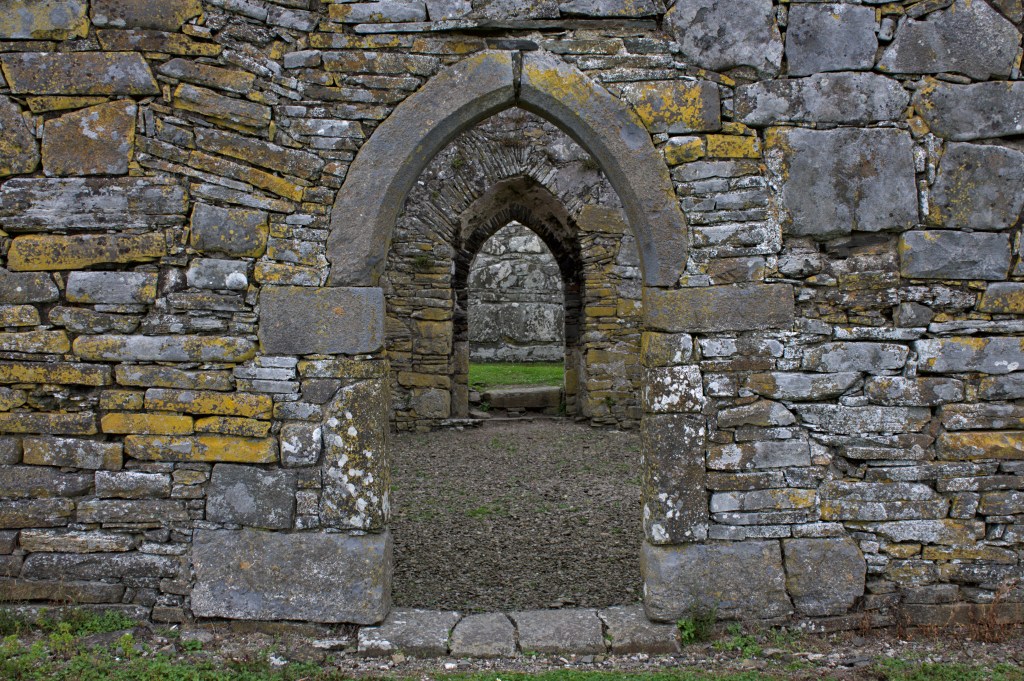
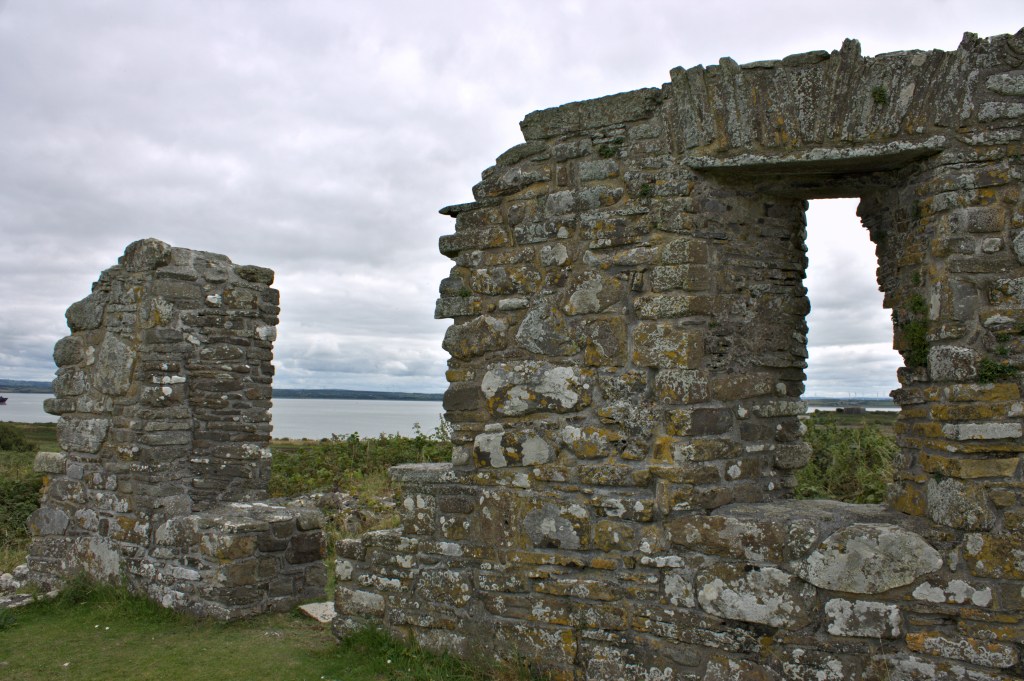
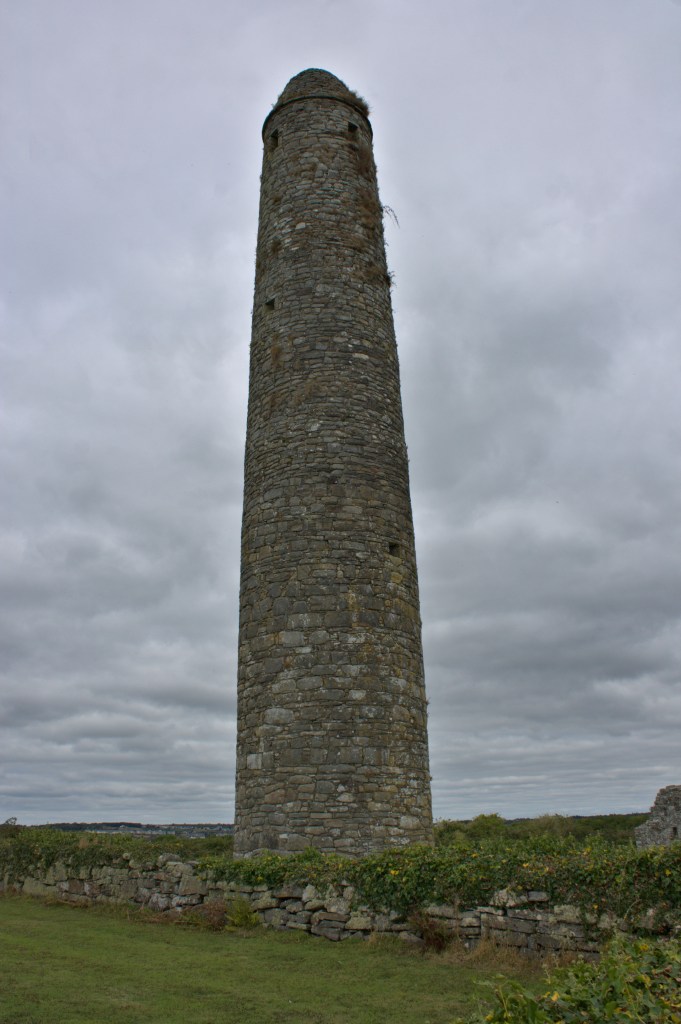
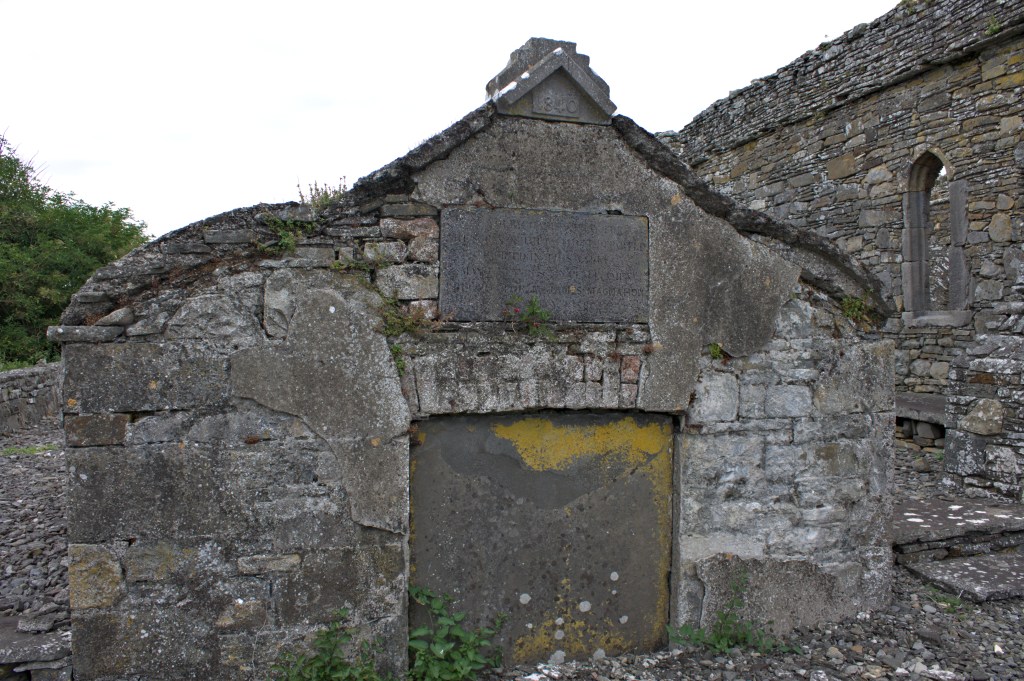
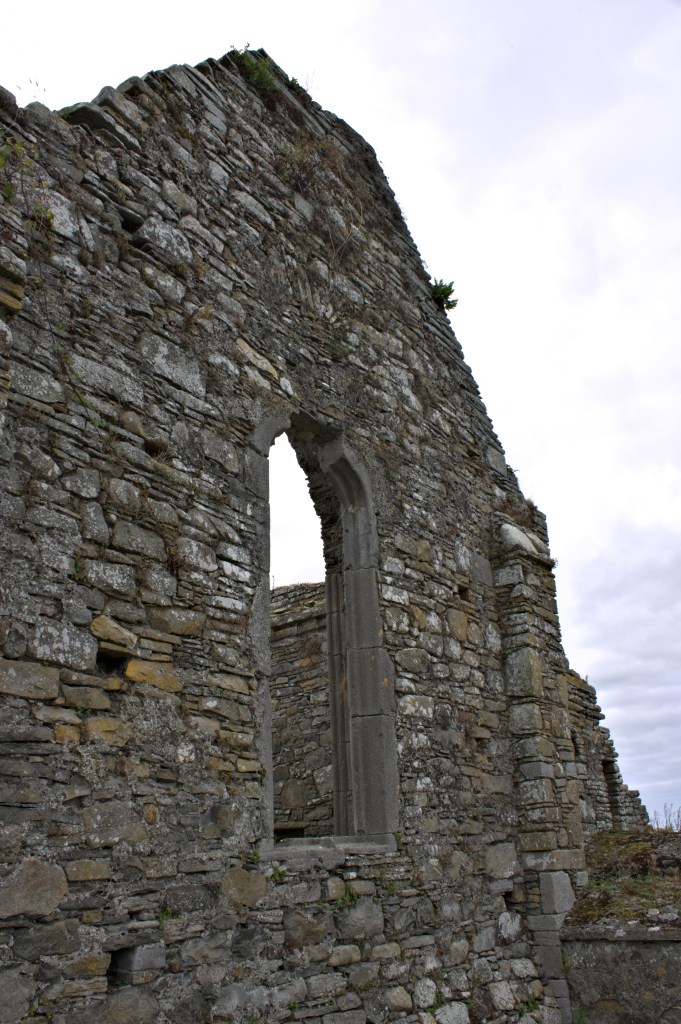
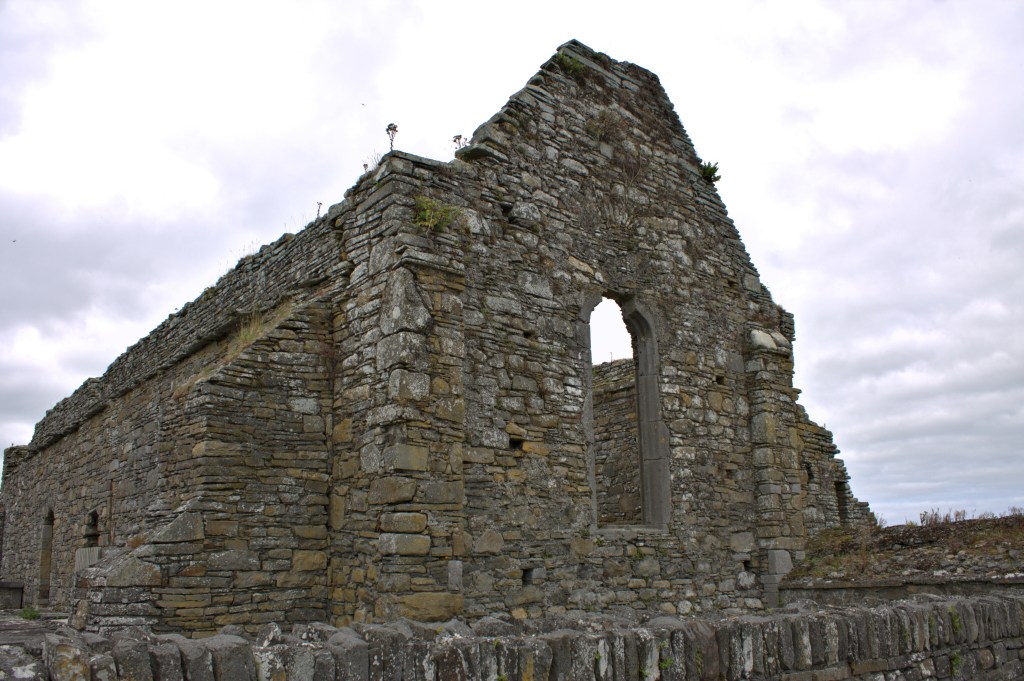
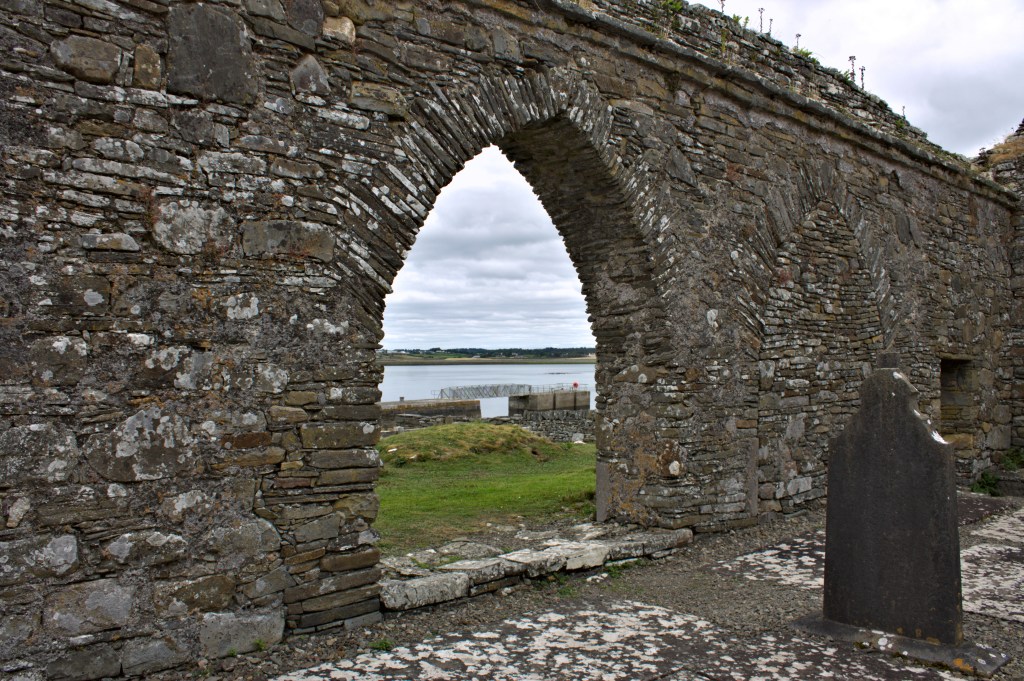
The island is home to the remains of several structures, the most iconic being the 36 metres round tower with its unusual ground level doorway built in the 10th or 11th century. The lean on the tower is very visible and somewhat unnerving! Beside it sits the Cathedral of Saints Mary and Senan which though partial dates to the 8th century is mostly a 12th century construction. St Senan’s Church & Bed are believed to date to the 12th century with the Teampall na Marbh or ‘The Church of the Dead’ being a later structure dating to the late 15th or early 16th century.
Scattery Island can be accessed via boat from late May to September and is most certainly a lovely way to spend a day, remember to bring a picnic and as always leave no trace.
GPS: 52.61431, -9.51657